Hong Kong Biodiversity Richer Than Known, Conservationists Call for Red List
SCMP · 1 SOURCESabout 1 hour ago2 MIN
Summary
Hong Kong's lush forests are home to significantly more wildlife diversity than previously understood, with experts identifying newly arrived bird species and recently discovered endemic creatures. Conservationists are renewing calls for the government to finally establish a red list to protect vulnerable local species, a measure that has been awaited since 2014. Recent discoveries include new coral, jellyfish, spider, and gecko species, alongside birds expanding their range from mainland China into Hong Kong's maturing forests.
Key Points
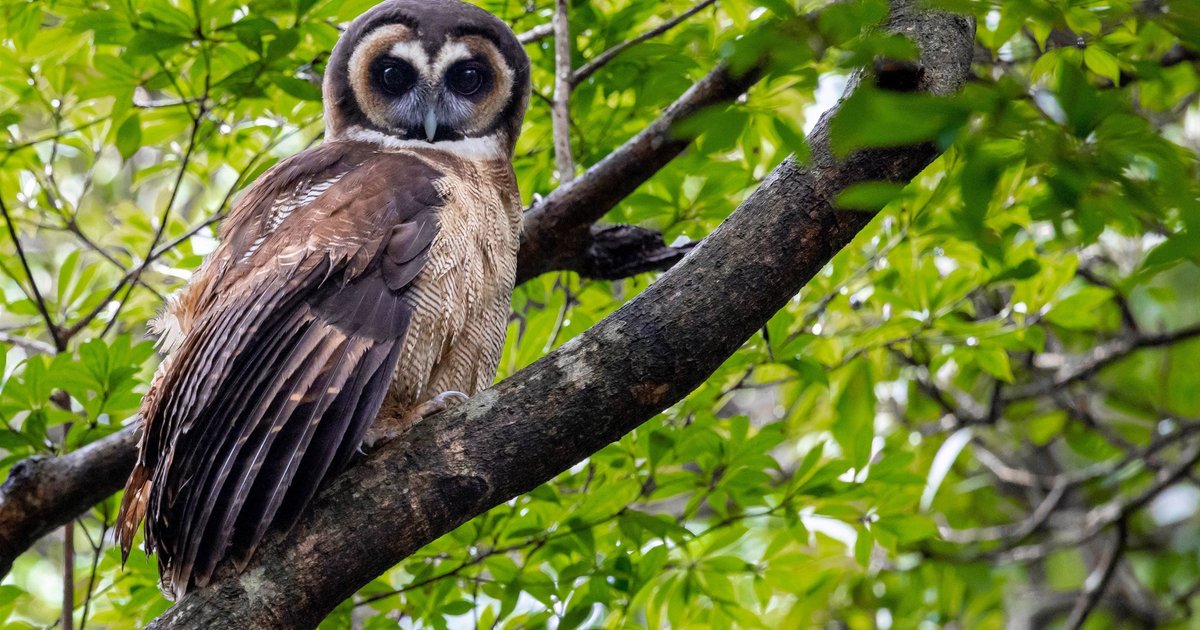
- Gary Ades, fauna conservation head at Kadoorie Farm and Botanic Garden, confirmed brown wood owl, Chinese barbet, and black-chinned yuhina have newly arrived from Guangdong
- Hong Kong forests require 50 to 100 years to mature sufficiently for species colonisation, with prime areas in Tai Po Kau and Ma On Shan
- Two new soft coral species were discovered off Sung Kong Island in early 2025, following the Mai Po box jellyfish in 2023 and Hong Kong tree gecko in 2018
- Kadoorie Farm operates a forest restoration programme planting native trees and shrubs to enhance habitats for local wildlife
- Juha Merilae, ecology and biodiversity professor at the University of Hong Kong, supports the findings that Hong Kong's biodiversity is richer than documented
Why It Matters
Hong Kong's expanding wildlife population demonstrates the success of habitat preservation efforts but also exposes gaps in conservation policy. Without an official red list to identify and protect at-risk species, newly discovered endemic creatures and expanding populations remain legally vulnerable as development pressures continue across the city .
Hong Kong's expanding wildlife population demonstrates the success of habitat preservation efforts but also exposes gaps in conservation policy. Without an official red list to identify and protect at-risk species, newly discovered endemic creatures and expanding populations remain legally vulnerable as development pressures continue across the city .