TVB Scriptwriter Defends Drama After AI-Generated Mockery of Down Syndrome
AM730 · 2 SOURCESabout 1 hour ago5 MIN
Summary
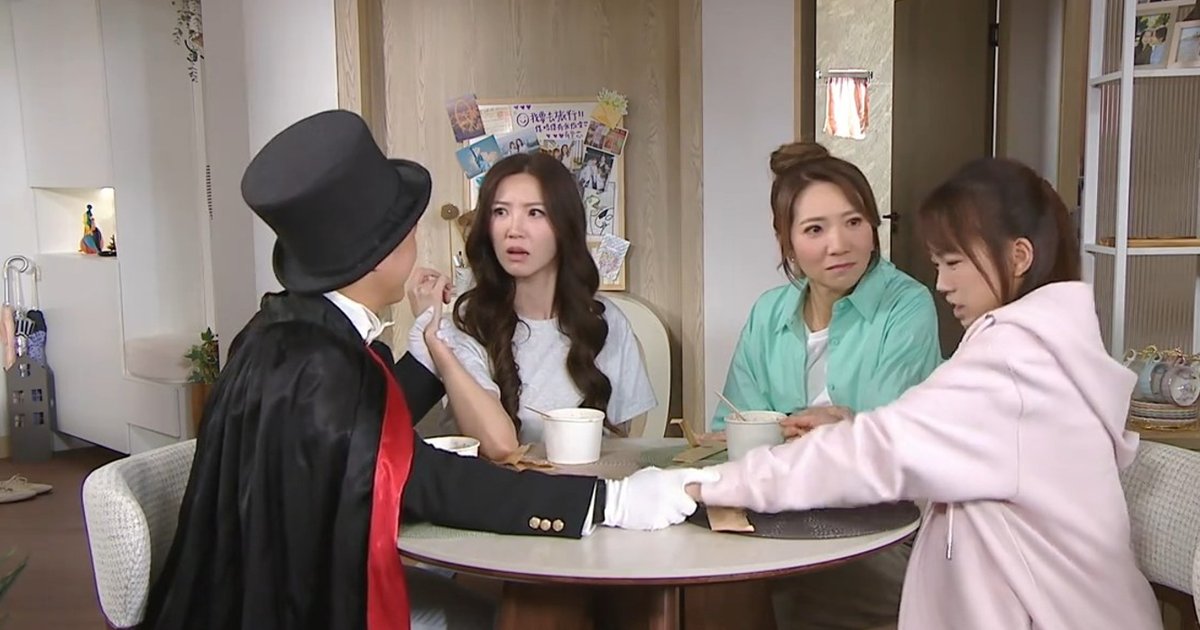
TVB senior scriptwriter Ma Jun-ying (馬俊縈) issued a lengthy public response on August 13 defending her new sitcom "The Return of Love: Three Generations of Sweetness" (愛·回家之三代同糖) after it faced intense online criticism. The show premiered on August 10, succeeding the long-running "The Return of Love: Speed Delivery" which aired for over nine years . Within just four episodes, the drama attracted widespread controversy over its AI-generated set designs and criticism of lead actress Gogo Wu Ruoxi's (吳若希) acting . The situation escalated when some netizens used AI image generation to create content mocking individuals with Down syndrome, prompting Ma to condemn their actions and call out their lack of moral boundaries .
Key Points
- The sitcom "Three Generations of Sweetness" replaced TVB's landmark drama "Speed Delivery" after more than nine years of continuous broadcast
- The show has drawn criticism for its debut episode performances, with viewers targeting Wu Ruoxi for allegedly poor audience rapport and over-the-top acting expressions
- Ma Jun-ying revealed the drama title originated from her personal loss, with her mother and step-grandmother passing away within six months of each other
- She explained the character change from "堂" (hall) to "糖" (sweetness) aimed to bring comfort and sweetness to viewers while honoring her family memories
- Ma condemned netizens who created AI-generated images mocking Down syndrome patients, stating she initially planned to ignore the jokes but found this crossed an unacceptable line
Why It Matters
This incident highlights growing concerns about AI-generated content being weaponized for discrimination in Hong Kong's entertainment industry . Ma's emotional response and willingness to accept personal criticism while protecting vulnerable groups demonstrates the ethical responsibilities facing content creators in the social media age . The controversy also reflects the intense scrutiny new TVB productions face when replacing beloved long-running series that have become cultural fixtures in Hong Kong households
This incident highlights growing concerns about AI-generated content being weaponized for discrimination in Hong Kong's entertainment industry . Ma's emotional response and willingness to accept personal criticism while protecting vulnerable groups demonstrates the ethical responsibilities facing content creators in the social media age . The controversy also reflects the intense scrutiny new TVB productions face when replacing beloved long-running series that have become cultural fixtures in Hong Kong households