Lam Ching-choi urges tailored heat-work rules
SingTao · 1 SOURCESabout 1 hour ago2 MIN
Summary
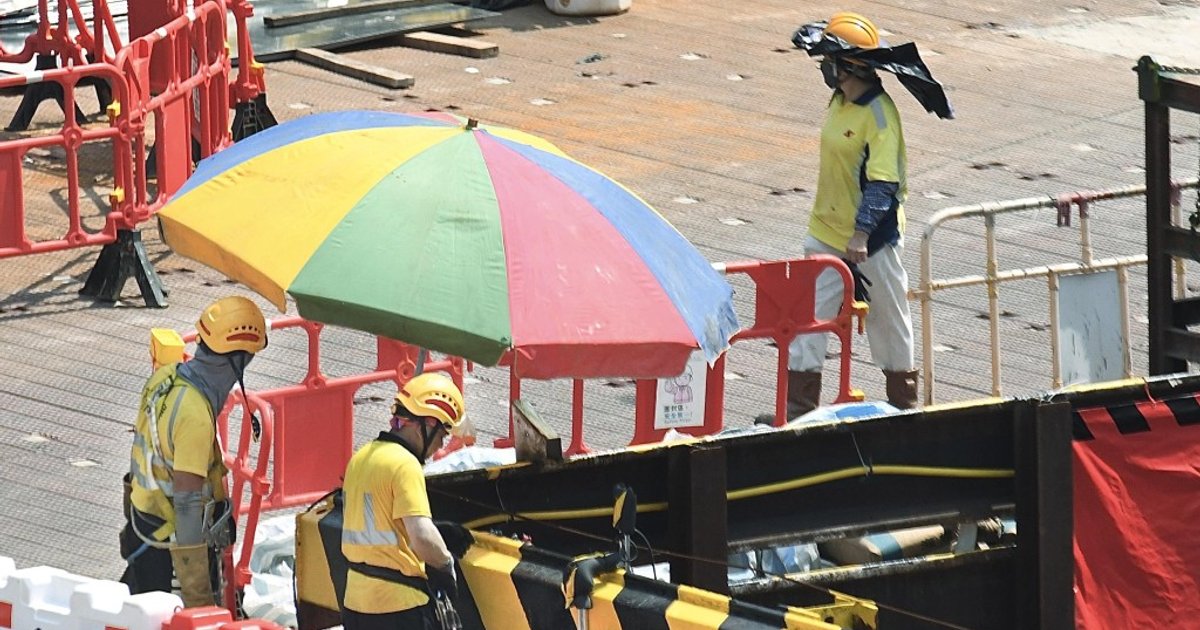
Executive Council member and Carbon Neutrality and Sustainable Development Committee chairman Lam Ching-choi said Hong Kong’s work heat warning mechanism should be reviewed and refined as the city faces record heat and heavy rain linked to climate change. He said the current guidance appears insufficiently sensitive and should better balance practicality with worker protection, rather than being either overly disruptive or ineffective. Lam backed calls from three former Hong Kong Observatory chiefs to adopt scientific indicators such as the globe thermometer to better capture heat stress in outdoor, sun-exposed settings. He also urged the Labour Department to draw up more specific guidance for different occupations and work environments, saying air-conditioned indoor work and open-air construction or cleaning jobs involve very different heat burdens.
Key Points
- Lam said extreme weather is becoming more frequent, and society must pursue both carbon reduction and climate adaptation at the same time.
- On the work heat warning system, he said policy must stay flexible because climate adaptation is an ongoing “offence and defence” process.
- He said the present guidance seems not sensitive enough, but warned that thresholds should not be set so low that they cause excessive disruption.
- Drawing on his medical background, Lam said high temperatures can cause heatstroke and add pressure to infectious disease control and chronic disease management.
- He said Hong Kong’s climate blueprint remains firm, with a target to halve carbon emissions by 2035 and achieve carbon neutrality before 2050.
Why It Matters
For Hong Kong readers, the debate goes beyond weather alerts to whether outdoor workers receive protection that matches real on-site heat exposure. Any revision to the warning mechanism could affect construction, cleaning and other labour-intensive sectors during increasingly frequent extreme heat events. Lam’s comments also tie worker safety to the city’s wider climate agenda, linking immediate adaptation with long-term decarbonisation goals.