China warns against Japan’s ‘new militarism’
SingTao · 2 SOURCESabout 1 hour ago2 MIN
Summary
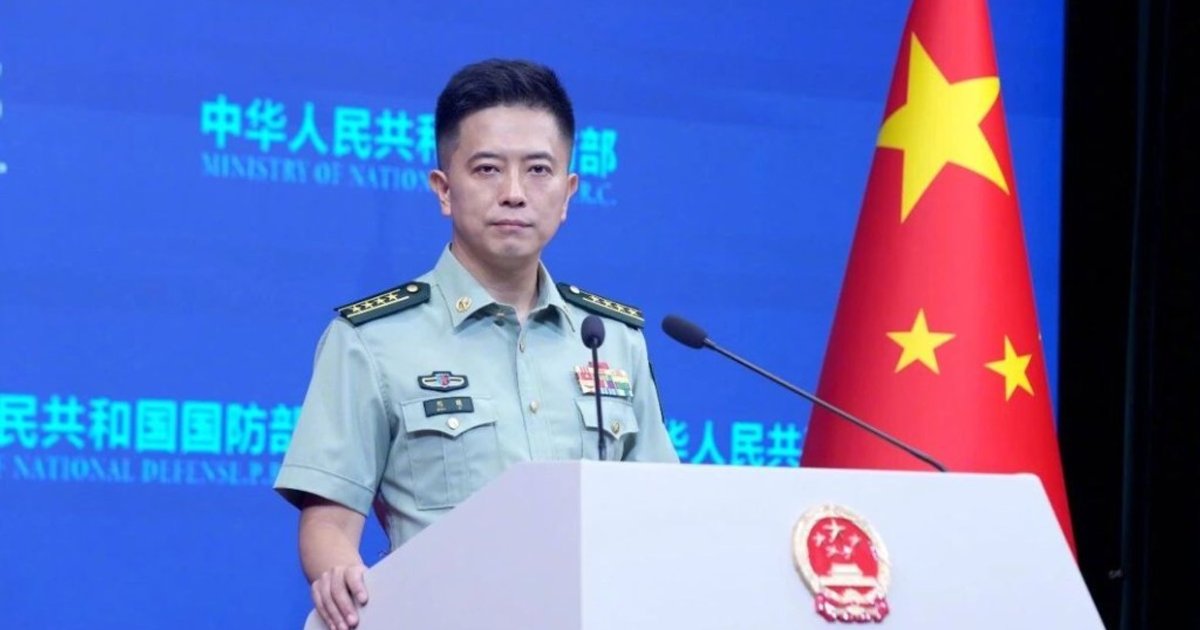
China’s Ministry of National Defense used the anniversary of Japan’s World War II surrender to sharpen its criticism of Tokyo’s historical stance and current security policy. Defence ministry spokesmen said Japan had long tolerated right-wing forces that distort or deny wartime aggression, and warned that a form of “new militarism” was becoming more visible. The remarks coincided with visits and offerings by Japanese politicians to Yasukuni Shrine, which Beijing described as a symbol of Japanese militarist aggression. Separately, Chinese coast guard vessels carried out a rights-protection patrol in waters near the Diaoyu Islands.
Key Points
- August 15 marks the 81st anniversary of Japan’s surrender in World War II, which Chinese officials framed as a victory over fascism in Asia and globally.
- Defence ministry spokesman Chen Xi said wartime atrocities including the Nanjing Massacre, the Bataan Death March and the Burma Railway brought disaster across Asia
- Chen said Japan had not truly learned the lessons of defeat, and accused it of long allowing right-wing forces to distort and deny aggression crimes
- Beijing also criticised Japan for citing so-called external threats to raise defence spending and expand its military-industrial sector, calling this “new militarism”
- According to the reports, Defence Minister Shinjiro Koizumi and three other officials visited Yasukuni Shrine, while Prime Minister Sanae Takaichi sent a ritual offering in her party capacity
Why It Matters
For Hong Kong readers, the dispute matters because tensions over wartime memory, regional security and the East China Sea can shape the wider political climate in East Asia. Beijing’s linking of historical issues, Japanese defence policy and maritime patrols suggests these disputes are being handled together rather than as separate controversies.