Low-Budget Film 'The Ox Is Coming' Becomes China's Summer Box Office Dark Horse
AM730 · 1 SOURCESabout 1 hour ago2 MIN
Summary
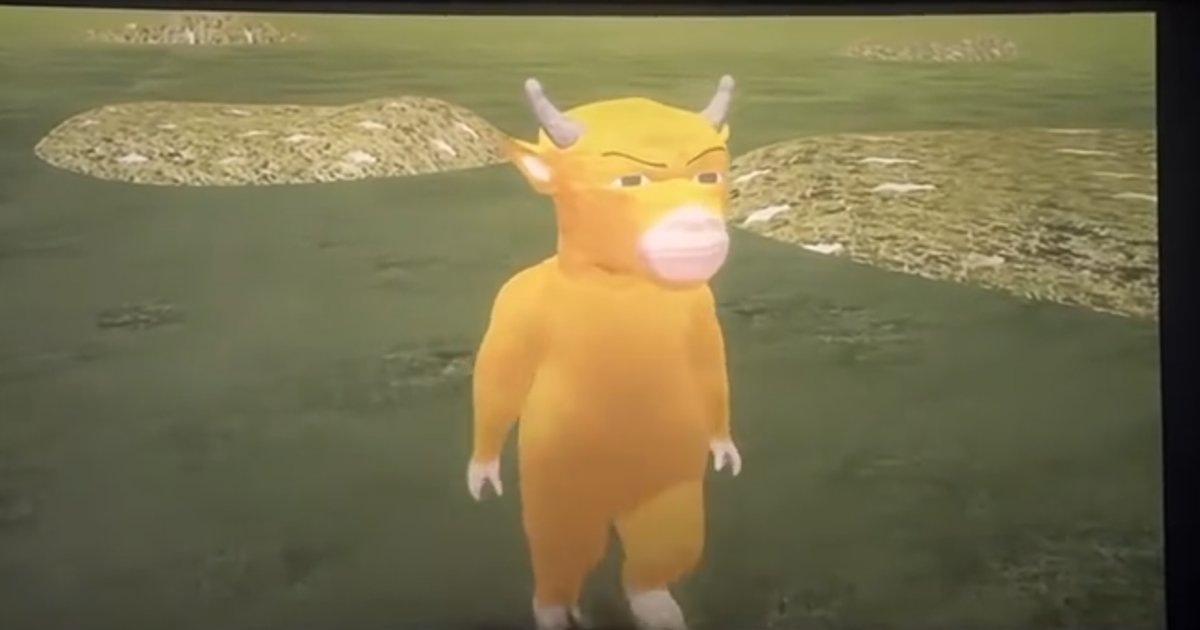
A low-budget Chinese film titled "The Ox Is Coming" has emerged as an unexpected summer hit, transforming from near-complete obscurity into a cultural phenomenon driven by viral online discussion. Despite receiving little theatrical attention during its first nine days of release, accumulating only about 7,000 yuan in ticket sales, the movie suddenly went viral on social media due to its "quirky dialogue" and "crude visuals." As of Wednesday afternoon, the film's cumulative box office has surpassed 25 million yuan.
Key Points
- The film was produced by Xin Yumeng and his mother Sun Lifang over five years using a "cottage industry" approach with zero external investment or professional crew
- The movie opened on August 5 with minimal theatrical presence, earning just 7,000 yuan in its first nine days before going viral online
- Academic Kuang Jiaqi from Hang Seng University of Hong Kong attributes the phenomenon to viral marketing and consumers' fear of missing out on trending topics
- Dalian cinemas have voluntarily removed the film from screening, citing concerns that it would damage the city's image given its local creators
- State-run media outlet The Beijing News warned that allowing such films to succeed could lower the entry barrier for commercial productions
Why It Matters
The film's unprecedented rise challenges conventional box office logic, demonstrating how social media can transform perceived "low quality" into commercial advantage through curiosity-driven viewership . The controversy has also sparked debate within China's film industry, with at least one other director publicly expressing frustration that such films undermine creative standards, potentially reshaping how industry gatekeepers evaluate content .
The film's unprecedented rise challenges conventional box office logic, demonstrating how social media can transform perceived "low quality" into commercial advantage through curiosity-driven viewership . The controversy has also sparked debate within China's film industry, with at least one other director publicly expressing frustration that such films undermine creative standards, potentially reshaping how industry gatekeepers evaluate content .