Iran Warns Countries Against Joining US Economic War, Threatens Hormuz Response
Bastillepost · 2 SOURCESabout 1 hour ago2 MIN
Summary
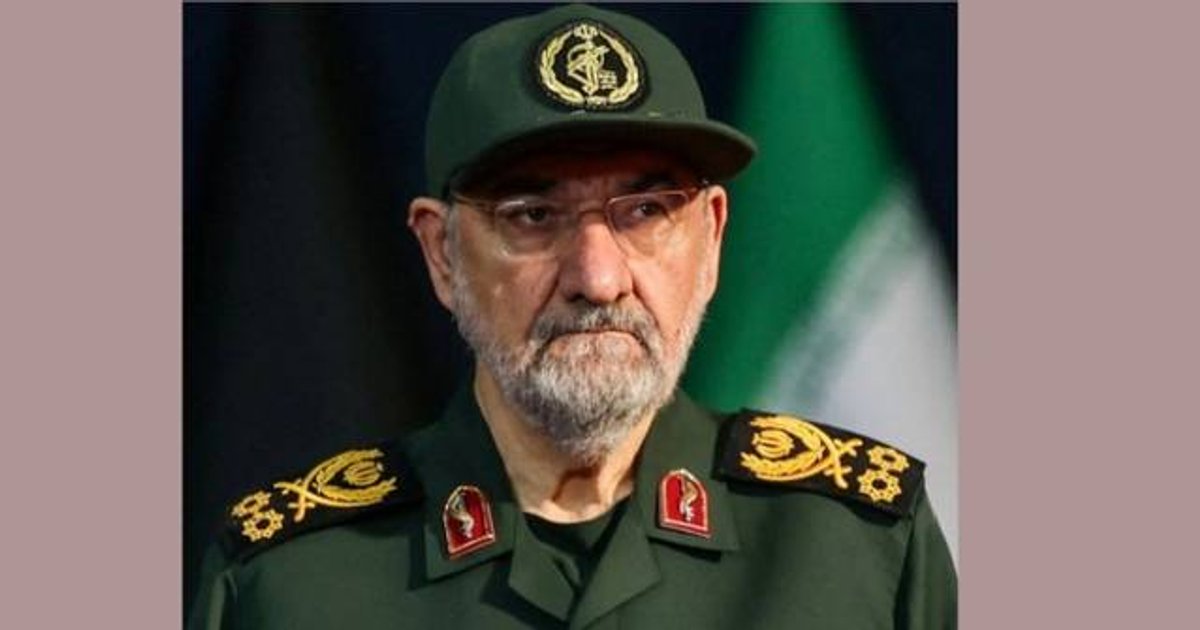
Iran's top security official has issued a stark warning to the international community, declaring that any country joining the United States in economic warfare against Tehran will be treated as an enemy. Ali Akbar Rezaei, Secretary of Iran's Supreme National Security Council, outlined a graduated response strategy in a state media interview, saying Iran would first appeal to nations to refrain from intervention before resorting to strikes on their interests. The warning comes as the United States prepares to announce what President Donald Trump described as the most devastating economic offensive ever mounted against a nation.
Key Points
- Rezaei emphasized that Iran has developed effective methods to circumvent American sanctions and continues exporting oil despite years of US pressure .
- Iran has specifically warned neighboring countries that participation in US maritime blockades would result in a complete halt of oil exports through the Strait of Hormuz .
- The Strait of Hormuz will remain closed until the United States fulfills obligations from a memorandum of understanding signed with Iran in June, with Tehran insisting Washington must act first .
- Rezaei characterized Trump's economic campaign as fundamentally a propaganda war while acknowledging Iran faces serious ongoing sanctions pressure .
- Talks with Oman regarding the Strait of Hormuz are progressing smoothly, with both foreign ministers discussing waterway access and trade transit arrangements .
Why It Matters
The escalating confrontation threatens global energy markets since roughly 20% of the world's oil supply passes through the Strait of Hormuz, and any blockade would send shockwaves through international markets already vulnerable to supply disruptions . The standoff also tests the willingness of third countries to resist US pressure, potentially reshaping alliances and trade relationships across the Middle East and beyond.
The escalating confrontation threatens global energy markets since roughly 20% of the world's oil supply passes through the Strait of Hormuz, and any blockade would send shockwaves through international markets already vulnerable to supply disruptions . The standoff also tests the willingness of third countries to resist US pressure, potentially reshaping alliances and trade relationships across the Middle East and beyond.