Hong Kong Medical Reform Urgent as Aging Population Set to Surge
HK01 · 1 SOURCESabout 2 hours ago2 MIN
Summary
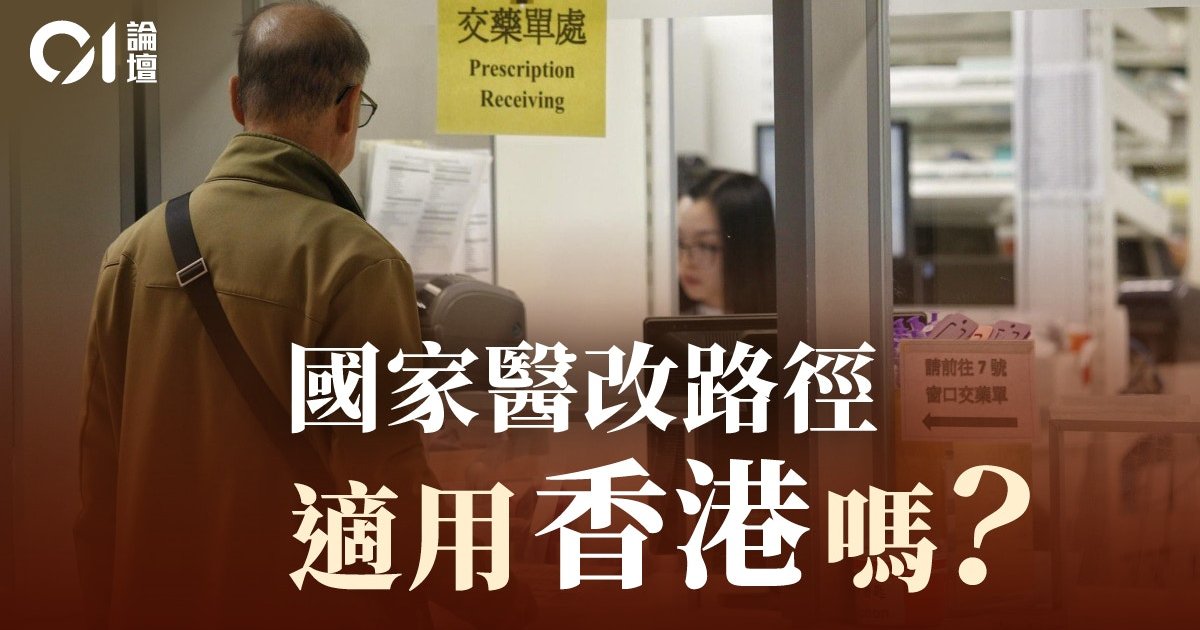
As China launches its 15th Five-Year Plan, Hong Kong is preparing its inaugural local five-year plan (2026-2030), presenting a historic opportunity to address pressing structural challenges. The healthcare sector stands at a critical juncture: Hong Kong has entered an era of deep aging, with the proportion of residents aged 65 and above expected to surpass 30% by 2039. This demographic shift, combined with tightening medical resources and extended life expectancy, demands transformative reform rather than incremental adjustments. Experts emphasize that Hong Kong must learn from China's planning governance experience while adapting strategies to local conditions, establishing a sustainable and high-quality medical system.
Key Points
- Hong Kong's first local five-year plan (2026-2030) is being drafted, with public healthcare reform identified as a top priority
- By 2039, residents aged 65 and above will exceed 30% of Hong Kong's population, creating severe pressure on medical services
- The government proposes building a three-tier protection network: home-based elderly care, primary community support, and hospital emergency services
- The Greater Bay Area integration requires expanding electronic medical record sharing, mutual recognition of medical tests, and professional qualification alignment
- Hong Kong's Drug and Medical Device Supervision and Management Center will establish its first-tier approval mechanism, enabling cross-regional clinical research partnerships
- Hong Kong's first Chinese medicine hospital has commenced operations, promoting standardized integration of Chinese and Western medicine
Why It Matters
The scale of Hong Kong's aging crisis leaves no room for incremental solutions. A successful five-year plan could transform healthcare from reactive emergency response into proactive long-term governance, leveraging cross-border collaboration and innovation to secure affordable, quality care for Hong Kong's growing elderly population while fulfilling the city's strategic role in national development .
The scale of Hong Kong's aging crisis leaves no room for incremental solutions. A successful five-year plan could transform healthcare from reactive emergency response into proactive long-term governance, leveraging cross-border collaboration and innovation to secure affordable, quality care for Hong Kong's growing elderly population while fulfilling the city's strategic role in national development .