Korean Actress Ha Yeong Apologizes Over Great-Grandfather's Pro-Japanese Past
SingTao · 1 SOURCESabout 1 hour ago7 MIN
Summary
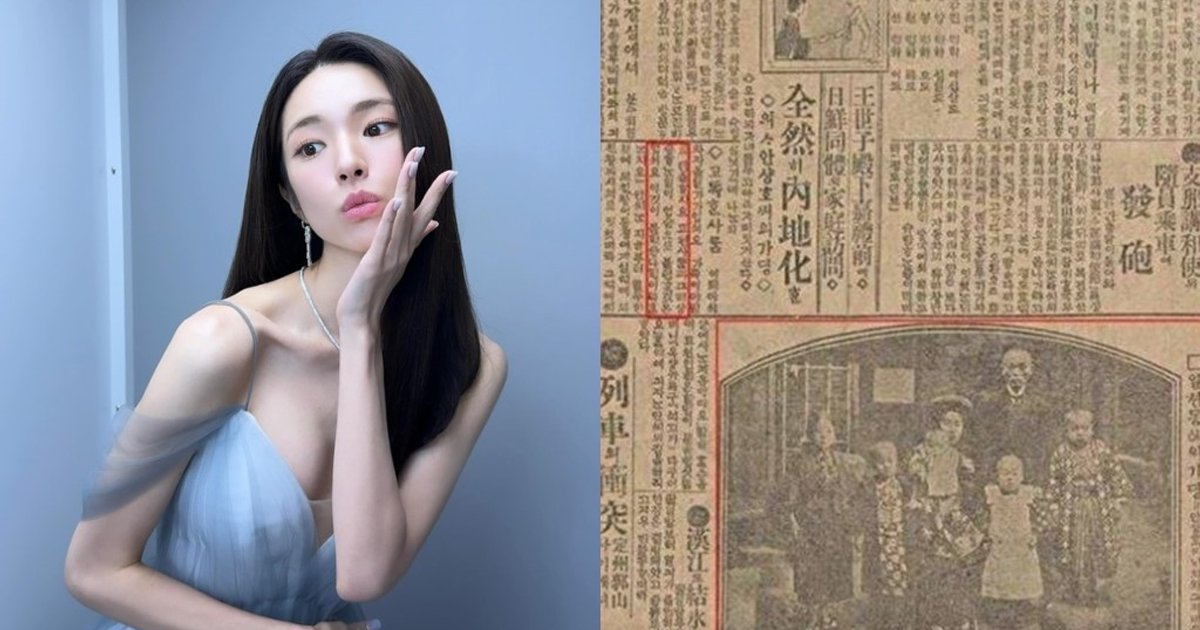
South Korean actress Ha Yeong (also known as An Ha-young), 33, has apologized after facing intense online criticism for her family's alleged pro-Japanese history during Korea's colonial period . The controversy erupted when Ha Yeong proudly shared on the variety show "Problem Children in the Attic" that she came from a "four-generation medical family," describing her great-grandfather An Sang-ho as the first Korean to obtain a Japanese medical license in 1902 and the first to open a clinic in Hanyang (old name for Seoul), where he treated King Gojong, the 26th monarch of the Joseon Dynasty . Netizens subsequently uncovered evidence that An Sang-ho joined the pro-Japanese organization "Taisho Jitsugyo Shinboku-kai" in 1916 and served as a committee member, promoting Japan's assimilation policies . Furthermore, historical records suggest An Sang-ho was potentially involved in the alleged poisoning of King Gojong in 1919, when he participated in medical consultations alongside Japanese doctors . Ha Yeong published a handwritten apology on August 12, but public anger has not subsided, particularly as the controversy coincides with the approaching August 15 Liberation Day commemorations .
Key Points
- Ha Yeong, 33, is the star of Netflix drama "My Sugar Romance" (《我的荒糖戀愛》) alongside actor Lee Jin-kyung
- Her great-grandfather An Sang-ho obtained Japan's first medical license for a Korean in 1902 and treated King Gojong
- In 1918, An Sang-ho told the "Daily Sinmun" newspaper that his family was "completely Japanized" and used only Japanese at home
- Ha Yeong's grandfather An Bu-ho worked at National Sagogdo Hospital, where human rights abuses against leprosy patients occurred
- South Korea's new "Special Act on Nationalization of Property of Pro-Japanese Anti-National Actors" takes effect in December
Why It Matters
This controversy highlights ongoing tensions in Korean society regarding historical collaboration with Japan during the 1910-1945 colonial period, where descendants of prominent pro-Japanese figures face public scrutiny . The implementation of the new asset forfeiture law in December could potentially result in the confiscation of properties allegedly acquired through pro-Japanese activities, affecting not only Ha Yeong's family but other Korean celebrity families with similar backgrounds . The incident underscores how discussions about colonial-era collaboration remain deeply sensitive in Korean culture, particularly when public figures inadvertently revive such painful historical memories .
This controversy highlights ongoing tensions in Korean society regarding historical collaboration with Japan during the 1910-1945 colonial period, where descendants of prominent pro-Japanese figures face public scrutiny . The implementation of the new asset forfeiture law in December could potentially result in the confiscation of properties allegedly acquired through pro-Japanese activities, affecting not only Ha Yeong's family but other Korean celebrity families with similar backgrounds . The incident underscores how discussions about colonial-era collaboration remain deeply sensitive in Korean culture, particularly when public figures inadvertently revive such painful historical memories .