The Fascinating Origins of Hong Kong's Teahouses and Wine Houses
SingTao · 1 SOURCESabout 1 hour ago7 MIN
Summary
In this deep dive into Cantonese culinary heritage, food historian Zhou Xian explores how the elegant tradition of teahouse culture in Guangdong evolved into Hong Kong's beloved dim sum ritual. The article traces the interconnected histories of teahouses, wine houses, and professional catering services, revealing surprising origins for familiar dining establishments. Zhou also examines how the rise of entertainment venues—from traditional nightclubs to modern karaoke bars—reshaped the city's after-hours social scene over the past century.
Key Points
- In early Guangdong, visiting a teahouse was considered a refined and leisurely pursuit, with patrons famously bringing pet birds to play while they sipped tea—similar to how modern Fujian-style tea shops command premium prices that can "drain one's neck of blood"
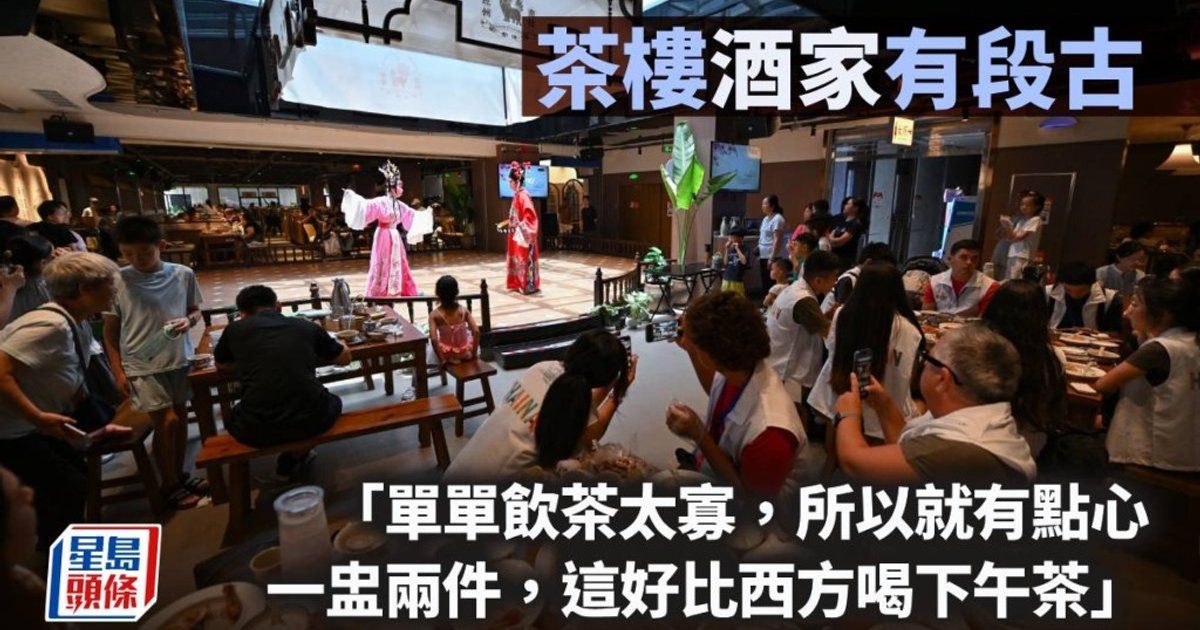
- The tradition of "one pot, two items" (一盅兩件) emerged because drinking tea alone felt insufficient, leading to the pairing of dim sum with tea in a practice akin to Western afternoon tea, though uniquely adapted as morning tea (早茶)
- The term "wine house" (酒家) derives from establishments where customers purchased alcohol and ordered small stir-fried dishes to accompany their drinks, much like today's finest bars—such as Hong Kong's Bar Leone on Bridges Street, famed for its smoked olives and sandwiches
- The historical "wine building" (酒樓) originally referred to brothels where patrons dined, listened to prostitute-singers perform, and drank; modern nightclub formats are less than 100 years old, while karaoke nightclubs emerged only 30-40 years ago
- Prior to restaurant culture, grand banquets were held at private homes with household chefs, or through professional catering services (到會); Fu Bak, former personal chef to Sir Robert Hotung, built his catering empire and his fifth and seventh sons later established Fu Lin Men restaurant, recently sold to "Queen of Shell Companies" Madam Zhu and Tang Qinghe, while the seventh son opened Quan Qi Fu restaurant separately
Why It Matters
Understanding these culinary origins illuminates how Hong Kong's food culture became a unique synthesis of Western influences and Cantonese traditions, with dim sum evolving from a tea accompaniment into a beloved social institution. The historical shift from home-hosted banquets to professional dining establishments reflects broader social transformations in Hong Kong, from colonial-era elite households to modern commercial dining, and continues to influence how Hong Kong people gather, celebrate, and connect through food today .
Understanding these culinary origins illuminates how Hong Kong's food culture became a unique synthesis of Western influences and Cantonese traditions, with dim sum evolving from a tea accompaniment into a beloved social institution. The historical shift from home-hosted banquets to professional dining establishments reflects broader social transformations in Hong Kong, from colonial-era elite households to modern commercial dining, and continues to influence how Hong Kong people gather, celebrate, and connect through food today .