China's travellers raise alarm over error-filled tourist signs in public spaces
On.cc · 2 SOURCESabout 1 hour ago2 MIN
Summary
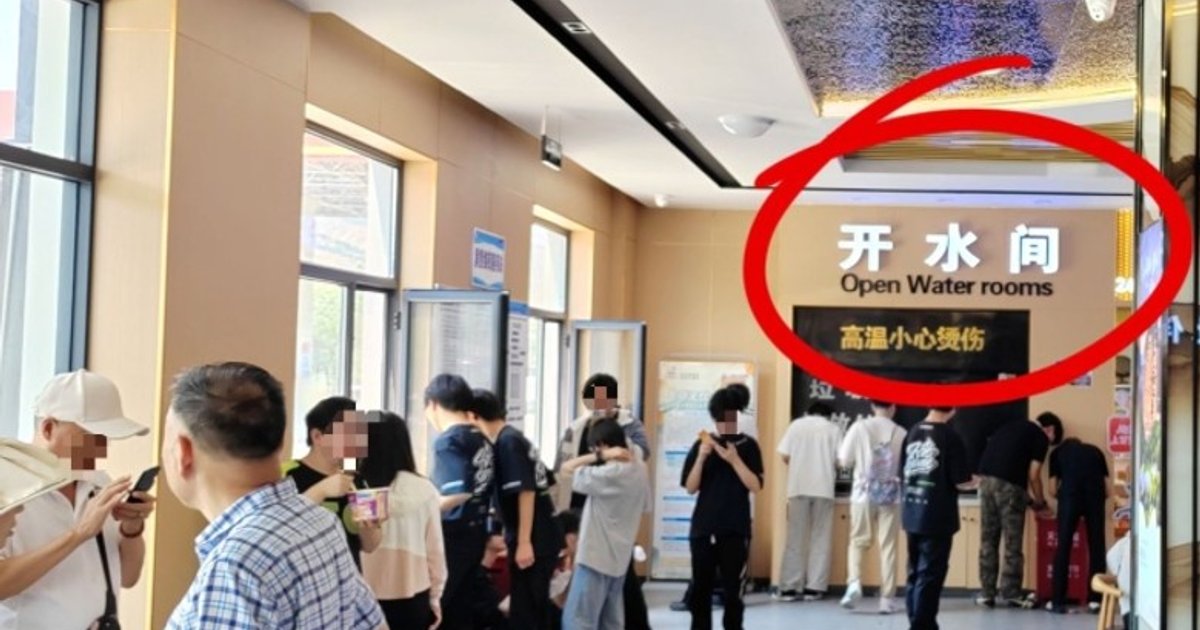
A highway service area in northwestern China has apologised after a signage mistranslation went viral on social media, reigniting concerns about the quality of bilingual signage at public facilities nationwide. The Gansu Expressway Service Group, which manages approximately 78 pairs of service areas across the province, confirmed on Wednesday that it had removed an incorrectly translated English sign reading "Open Water rooms" that should have indicated a hot water room. The error at the Yuanyang service area on the Lianyungang-Khorgos Expressway was first flagged by a sharp-eyed netizen on Tuesday, prompting swift action from the state-owned enterprise. This incident follows a similar discovery in late March when a passenger at an airport in Guiyang city found multiple spelling errors on public signage.
Key Points
- The Yuanyang service area on the Lianyungang-Khorgos Expressway, which reopened in January after an October upgrade, displayed "Open Water rooms" instead of the correct "Hot Water Room"
- The Gansu Expressway Service Group manages 78 pairs of service areas, accounting for 70 percent of all such facilities in the province
- The company announced it would establish a "review before installation, with periodic rechecks" system to prevent future translation errors
- The mistranslation was reported on Tuesday and the incorrect sign was removed the following day, with the company issuing an official apology
- Similar translation and spelling errors were found at Guiyang airport in late March, according to reports
Why It Matters
Despite China publishing official guidelines in 2017 for English translations in public service areas covering 13 sectors, including transport and tourism, substandard bilingual signage continues to surface across the country . As China positions itself as a welcoming destination for international visitors, these errors undermine efforts to eliminate language barriers and damage the country's public image. The systematic nature of the Gansu company's response—including a promise to verify all signage and establish better management protocols—suggests awareness that such errors are not isolated incidents but reflect broader deficiencies in the quality control of public communications .
Despite China publishing official guidelines in 2017 for English translations in public service areas covering 13 sectors, including transport and tourism, substandard bilingual signage continues to surface across the country . As China positions itself as a welcoming destination for international visitors, these errors undermine efforts to eliminate language barriers and damage the country's public image. The systematic nature of the Gansu company's response—including a promise to verify all signage and establish better management protocols—suggests awareness that such errors are not isolated incidents but reflect broader deficiencies in the quality control of public communications .