36th Hong Kong Food Expo Signals Shift from Consumer Fair to Mainland Export Hub
HK01 · 1 SOURCESabout 1 hour ago5 MIN
Summary
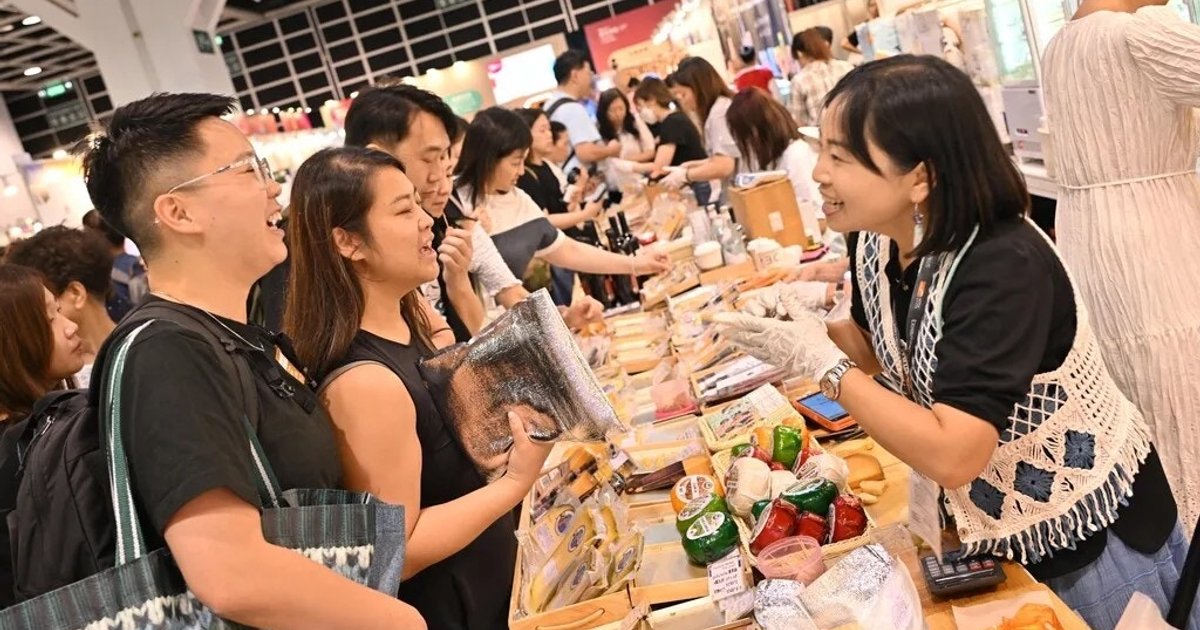
The 36th Hong Kong Food Expo, held at the Convention and Exhibition Centre in Wan Chai, has emerged as a pivotal platform for mainland Chinese food companies seeking international expansion. With over 1,800 exhibitors from more than 30 countries and regions, the event marks a notable departure from its traditional role as a consumer-driven bargain hunt. All 11 ASEAN member states participated for the first time, reflecting Hong Kong's strategic positioning as a gateway for mainland brands entering Southeast Asian and global markets.
Key Points
- The 36th Food Expo in August at the Hong Kong Convention and Exhibition Centre featured over 1,800 exhibitors from more than 30 countries and regions
- All 11 ASEAN member states participated for the first time, demonstrating Hong Kong's deepening trade connections with Southeast Asia
- Mainland exhibitors shifted from selling local specialties to using booths as brand launches and business matchmaking platforms
- Hong Kong offers food safety standards aligned with international requirements, making it an ideal testing ground for mainland companies
- Some exhibitors cut prices amid cautious consumer spending—Buddha Jumps Over the Wall dropped from HK$50 to HK$40 at one stall
Why It Matters
This evolution of the Food Expo signals Hong Kong's transformation under the 15th Five-Year Plan from a mere intermediary to a "super value-adder" for mainland enterprises expanding abroad . As mainland food companies face high barriers entering European, American, and Middle Eastern markets, Hong Kong's mature regulatory framework, testing infrastructure, and common law system provide a crucial buffer zone for brand adaptation and international certification . The expo's pivot toward serving as a strategic springboard rather than just a consumer event reflects Hong Kong's broader ambition to become an irreplaceable node in the nation's foreign trade布局.
This evolution of the Food Expo signals Hong Kong's transformation under the 15th Five-Year Plan from a mere intermediary to a "super value-adder" for mainland enterprises expanding abroad . As mainland food companies face high barriers entering European, American, and Middle Eastern markets, Hong Kong's mature regulatory framework, testing infrastructure, and common law system provide a crucial buffer zone for brand adaptation and international certification . The expo's pivot toward serving as a strategic springboard rather than just a consumer event reflects Hong Kong's broader ambition to become an irreplaceable node in the nation's foreign trade布局.