HKU Team Develops Global Virus Monitoring Blueprint Using Aviation Hubs to Detect Variants Early
AM730 · 1 SOURCESabout 1 hour ago6 MIN
Summary
Globalisation has accelerated the spread of infectious diseases through increased air travel, making early detection crucial for effective pandemic response. The University of Hong Kong's research team, led by Professor Leo Poon (Professor of Public Health Virology at the Li Ka Shing Faculty of Medicine) and Dr Frederick Ho (first author), has developed a groundbreaking global virus genomic surveillance blueprint. The strategy demonstrates that strategically focusing surveillance on just two international aviation hubs can detect emerging virus variants 2.6 to 3.3 days earlier, even with limited resources. This approach offers a cost-effective framework for establishing sustainable global pandemic early warning systems.
Key Points
- Professor Leo Poon from HKU's School of Public Health and Dr Frederick Ho led the research team in developing an innovative global virus genomic surveillance blueprint
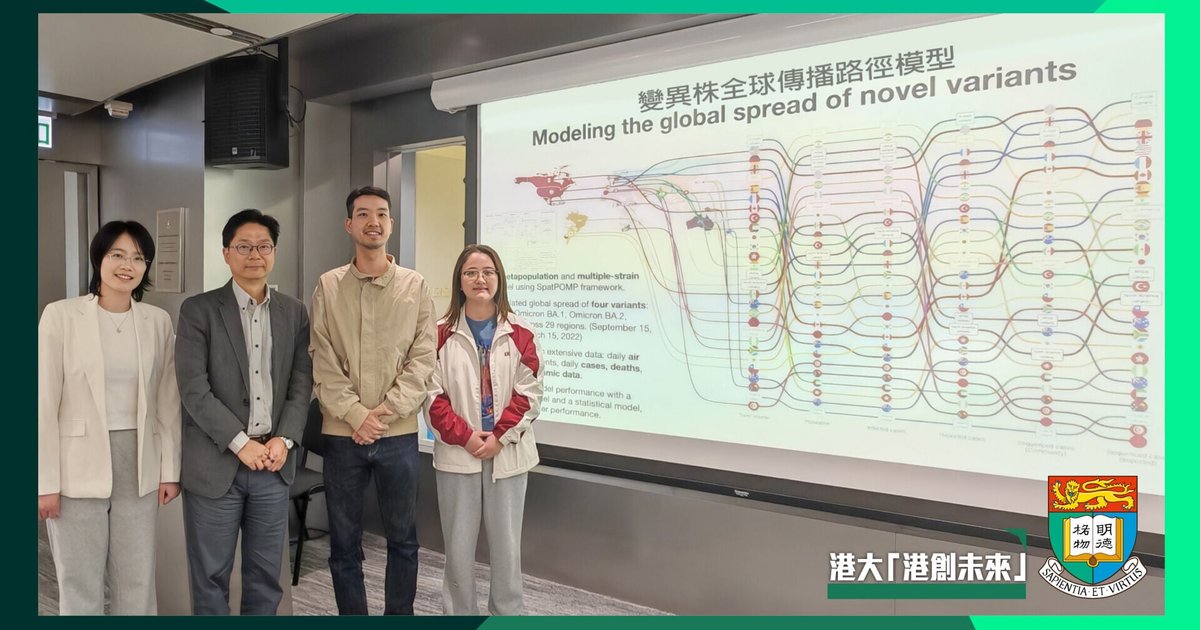
- The team built a large-scale data model integrating approximately 9.5 million viral genome sequences, epidemiological data, and global aviation network information to reconstruct Omicron's global transmission pathways
- By strengthening genomic surveillance of transit passengers at just two highly connected international aviation hubs (such as Hong Kong and the UAE), emerging variants can be detected 2.6 to 3.3 days earlier
- Even if global diagnostic or viral sequencing resources are reduced by half, the hub-focused monitoring strategy maintains superior effectiveness compared to current approaches
- The team developed a high-resolution multi-strain, multi-population transmission model that integrates diagnostic records, viral sequences, passenger data, and transmission cases
Why It Matters
This research provides a practical, cost-effective framework for building sustainable global disease early warning systems. The ability to gain even 2-3 days in detecting new variants can provide healthcare workers and卫生 authorities with crucial time to update diagnostic methods, develop vaccines, and deploy response strategies. The blueprint could be applied to influenza, avian flu, and other emerging infectious diseases, enhancing global preparedness for future pandemics.
This research provides a practical, cost-effective framework for building sustainable global disease early warning systems. The ability to gain even 2-3 days in detecting new variants can provide healthcare workers and卫生 authorities with crucial time to update diagnostic methods, develop vaccines, and deploy response strategies. The blueprint could be applied to influenza, avian flu, and other emerging infectious diseases, enhancing global preparedness for future pandemics.