Lands Department Enters Cha Kwo Ling Village, One Taken to Police for Alleged Threat
HK01 · 1 SOURCESabout 1 hour ago2 MIN
Summary
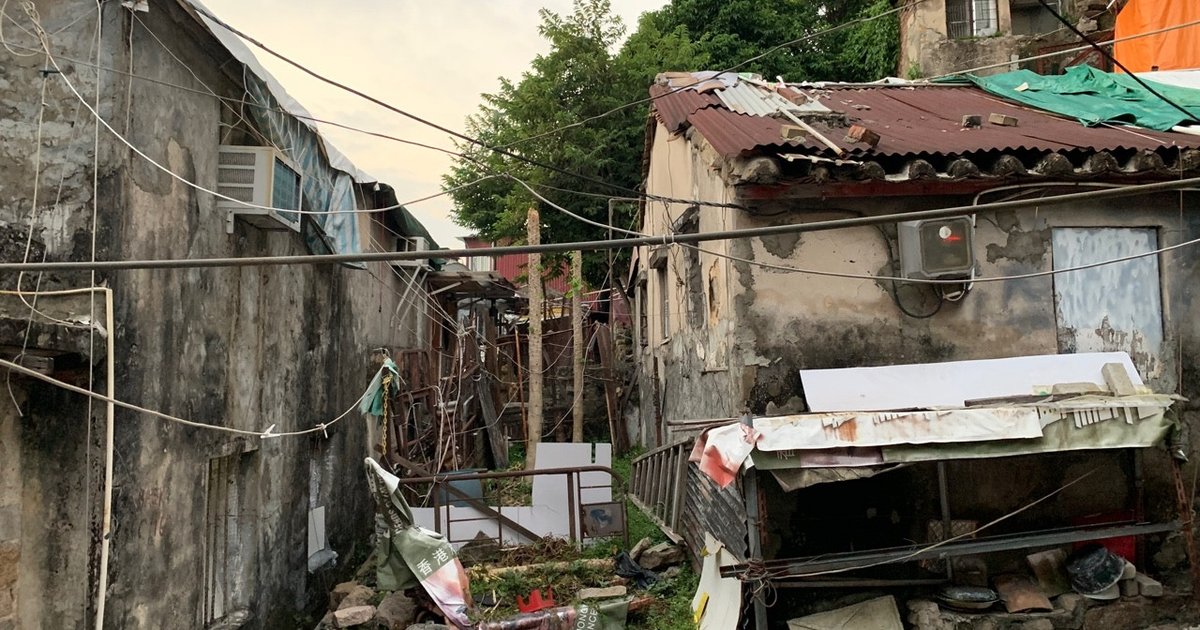
The Lands Department carried out an enforcement operation at Cha Kwo Ling Village on August 14, 2024, handling five households affected by the Phase 2 development project. One remaining resident was escorted to a police station after allegedly threatening to use violence against law enforcement officers. The department stated that over 65% of approximately 950 affected households have already received relocation arrangements or special allowances as of July.
Key Points
- The operation targeted five households, with only one resident remaining on site who was subsequently taken to a police station
- This resident registered after the pre-demolition cut-off date and is a public rental housing tenant, making them ineligible for relocation or compensation
- The department, together with social work teams, had been maintaining contact with the resident since early 2024 and providing assistance, urging voluntary departure
- Legal notices were posted on June 12, 2023, under the Land (Miscellaneous Provisions) Ordinance, requiring affected persons to vacate by September 12, 2023
- As of July, over 65% of approximately 950 households affected by Phase 2 works—including split households—have been arranged for relocation or received special allowances
- Some village locations are adjacent to slopes, exposing residents to higher natural disaster risks, prompting the government action to protect affected residents
Why It Matters
This incident underscores the human cost of Hong Kong's urban renewal programme, where residents who miss eligibility cut-offs face eviction without compensation or alternative housing. The case also highlights ongoing tensions between the government's development timeline and affected residents, with authorities emphasizing safety risks near slopes as justification for accelerated enforcement. The situation reflects broader challenges in balancing infrastructure development with the welfare of displaced communities in densely built Hong Kong.
This incident underscores the human cost of Hong Kong's urban renewal programme, where residents who miss eligibility cut-offs face eviction without compensation or alternative housing. The case also highlights ongoing tensions between the government's development timeline and affected residents, with authorities emphasizing safety risks near slopes as justification for accelerated enforcement. The situation reflects broader challenges in balancing infrastructure development with the welfare of displaced communities in densely built Hong Kong.