Advocates Push for Expanded Community Living Rooms as Heat Shelters Fall Short
On.cc · 1 SOURCESabout 1 hour ago2 MIN
Summary
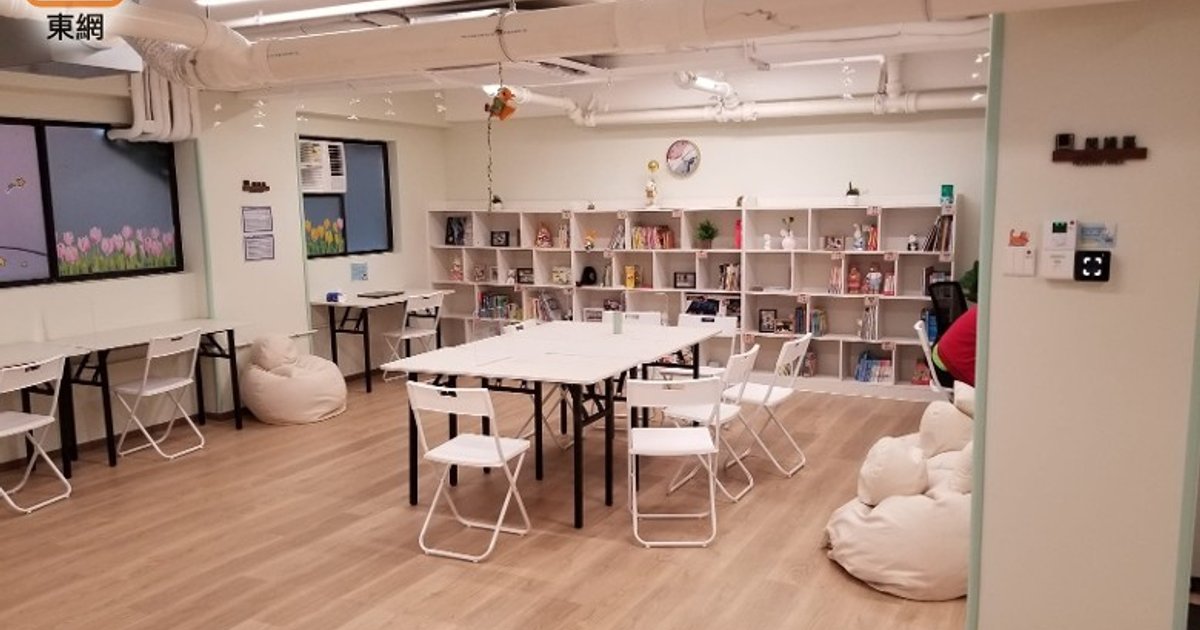
The Community Organisation Society is urging the Hong Kong government to expand community living rooms, arguing that existing heat shelters provide inadequate services during extreme weather events. This recommendation follows record-breaking temperatures, with the Hong Kong Observatory logging 36.9 degrees Celsius on June 9—the highest urban temperature since records began in 1884. Vice-chairperson Shi Lishan said heat shelters currently serve only as temporary rest stops, while community living rooms offer comprehensive facilities that address the cramped conditions faced by subdivided flat residents.
Key Points
- Hong Kong recorded 36.9 degrees Celsius on June 9, the highest urban temperature since 1884, according to the Hong Kong Observatory .
- Community Organisation Society vice-chairperson Shi Lishan said heat shelters function only as temporary rest facilities with no additional services .
- Community living rooms provide comfortable spaces for activities, reduce household electricity costs, and foster social interaction among residents .
- Shi recommended expanding community living rooms based on the specific needs of each district to better serve the community .
- She expressed concern that the Modest Housing Ordinance, in effect for six months, may prompt landlords to exit the market, reducing supply and driving up rents .
- Shi advocated for a "starting rent" cap to keep housing costs manageable for grassroots families .
- For public housing, Shi suggested that a "three-year wait" target represents the ideal performance indicator .
- She also called for more relief measures to support applicants during their waiting period for public housing allocation .
Why It Matters
As climate change drives increasingly frequent extreme weather events, the inadequacy of current heat relief infrastructure exposes vulnerable populations to health risks. The expansion of community living rooms could provide sustainable support for subdivided flat residents, while housing policy safeguards remain critical to preventing displacement as regulatory changes reshape the private rental market.
As climate change drives increasingly frequent extreme weather events, the inadequacy of current heat relief infrastructure exposes vulnerable populations to health risks. The expansion of community living rooms could provide sustainable support for subdivided flat residents, while housing policy safeguards remain critical to preventing displacement as regulatory changes reshape the private rental market.