Policy Adjustments, Green Living Key to Combating Climate Crisis
Thestandard · 1 SOURCESabout 1 hour ago2 MIN
Summary
Hong Kong is grappling with unprecedented climate challenges as record-high temperatures and severe rainfall events become increasingly common. Lam Ching-choi, an Executive Council member and Chairman of the Council for Carbon Neutrality and Sustainable Development, emphasized in a television interview that society must simultaneously tackle carbon reduction and climate adaptation strategies . As extreme weather conditions grow more frequent, he called for more flexible policies to protect public health, particularly for vulnerable outdoor workers .
Key Points
- Lam Ching-choi, a medical doctor, highlighted that excessive heat poses serious health risks, including heatstroke, while also compounding the management of infectious and chronic diseases
- He supported the scientific recommendations of three former Hong Kong Observatory directors, endorsing the use of black-globe thermometers to more accurately assess heat stress in outdoor, sun-exposed environments
- The Heat Stress at Work Warning system has only triggered amber warnings since its launch, prompting skepticism about its effectiveness and sensitivity
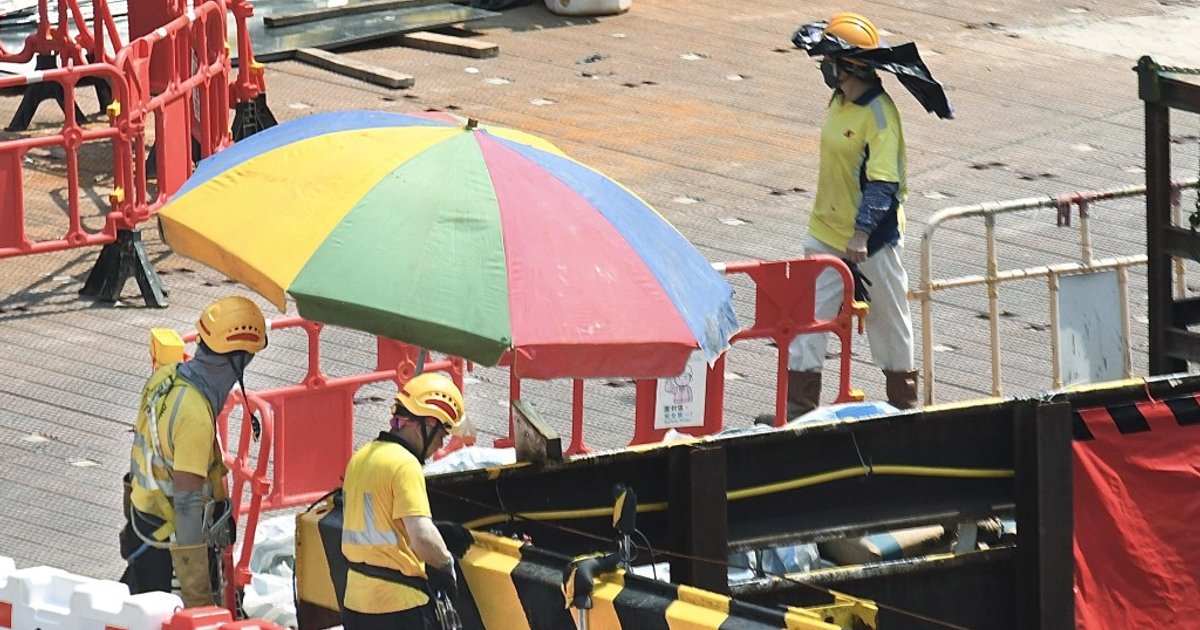
- Lam noted that heat stress in air-conditioned offices differs entirely from conditions faced by construction and cleaning workers laboring outdoors under direct sunlight
- He urged the Labor Department to review existing guidelines and establish practical, specialized occupational safety instructions tailored to different industries and work settings
Why It Matters
With climate change intensifying, Hong Kong's workers—especially those in outdoor industries—face growing health risks that require targeted policy responses . Strengthening heat stress protections and adopting more responsive monitoring tools could better safeguard public health while maintaining economic productivity .
With climate change intensifying, Hong Kong's workers—especially those in outdoor industries—face growing health risks that require targeted policy responses . Strengthening heat stress protections and adopting more responsive monitoring tools could better safeguard public health while maintaining economic productivity .