Crosstalk Star Guo Degang Fined for Altering Anti-War Song in Wuhan
SingTao · 2 SOURCESabout 1 hour ago5 MIN
Summary
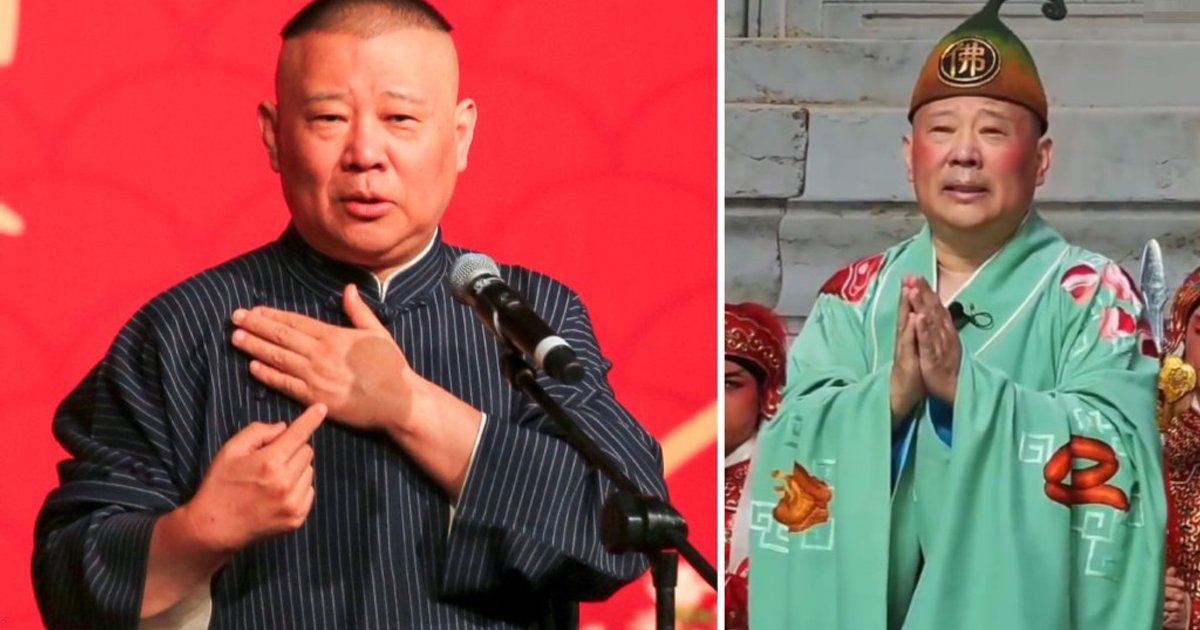
The Wuhan Cultural and Tourism Bureau has concluded its investigation into a controversial performance by Guo Degang (郭德綱), China's most celebrated crosstalk artist, who faces penalties exceeding half a million yuan for distorting a patriotic war song. The incident occurred during a July 24 performance of "Living Buddha Jigong, Part 8" at Wuhan's Central-South Theatre, where Guo altered lyrics to the iconic anti-Japanese war song "Playing My Beloved Pipa." The authorities deemed the changes as "distortion and tampering" that caused "grave adverse social impact," triggering regulatory action against both the event organizer and venue operator.
Key Points
- Guo Degang performed on July 24, 2026, at Wuhan Central-South Theatre, changing the lyrics from "The Weishan Lake is so quiet" to "The Forbidden City is so quiet" in the song from the 1956 film "Railway Guerrillas"
- The event organizer, Jiangsu Zidiluiri Sports Culture Industry Development Co Ltd, was ordered to forfeit 48,687 yuan and fined 486,874 yuan
- The venue operator, Wuhan Central-South Theatre Management Co Ltd, received a warning and 110,000 yuan fine for violating Performance Management Regulations Articles 16, 25, and 26
- Guo Degang's scheduled August 15 performance in Xi'an for his nationwide tour was cancelled following the incident
- The bureau emphasized that anti-war songs "carry the memory of the Chinese nation's resistance and national sentiment" and "absolutely do not permit distortion or tampering by any organization or individual"
Why It Matters
This case signals Beijing's tightening grip on cultural content, particularly regarding historical narratives deemed sacred. The severity of penalties—nearly 600,000 yuan combined—demonstrates that even minor alterations to revolutionary or war-related material can trigger substantial financial and professional consequences. For Hong Kong artists and performers, this serves as a stark reminder that content involving mainland Chinese history or national symbols faces increasingly strict scrutiny, regardless of artistic intent.
This case signals Beijing's tightening grip on cultural content, particularly regarding historical narratives deemed sacred. The severity of penalties—nearly 600,000 yuan combined—demonstrates that even minor alterations to revolutionary or war-related material can trigger substantial financial and professional consequences. For Hong Kong artists and performers, this serves as a stark reminder that content involving mainland Chinese history or national symbols faces increasingly strict scrutiny, regardless of artistic intent.