Peanut Butter: From Medical Supplement to Heart-Healthy Staple
Bastillepost · 1 SOURCESabout 1 hour ago2 MIN
Summary
Peanut butter, originally invented as a medical dietary supplement for patients unable to chew solid food, has transformed into a beloved global food product. A comprehensive report published Monday reveals the surprising health benefits of pure peanut butter, including its ability to lower bad cholesterol and protect cardiovascular health. The findings come as the global peanut butter market has grown to exceed 80 billion US dollars, with stable sales in Hong Kong across both traditional local brands and imported organic varieties. Health experts urge consumers to choose pure peanut butter over processed alternatives that contain added sugars, salt, and hydrogenated oils.
Key Points
- In 1884, Canadian chemist Marcellus Gilmore Edson obtained the first peanut butter patent, followed by American doctor John Harvey Kellogg in 1895, who developed it as a protein supplement for patients with dental issues
- Pure peanut butter contains nearly 80% monounsaturated and polyunsaturated fatty acids, which effectively reduce bad cholesterol and protect cardiovascular health
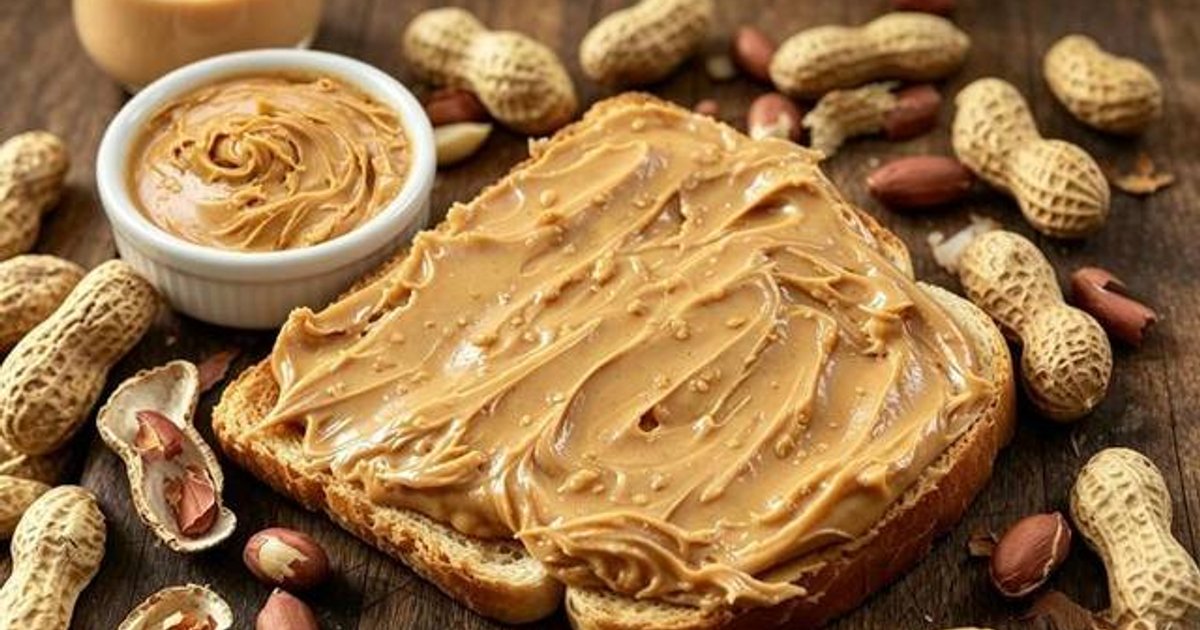
- The spread is also rich in high-quality plant protein, dietary fiber, and antioxidant vitamin E, providing strong satiety when spread on whole wheat bread
- The global peanut butter market has reached over 80 billion US dollars (approximately 620 billion Hong Kong dollars), with stable sales across Hong Kong's traditional brands and organic varieties in chain supermarkets
- Industrial peanut butters often contain refined sugar, salt, and hydrogenated vegetable oils, including trans fats that contribute to obesity and inflammation—experts recommend choosing 100% pure peanut butter
- Individuals with peanut allergies face risk of severe reactions including breathing difficulties; alternatives include almond butter and sunflower seed butter
Why It Matters
For Hong Kong consumers who frequently enjoy peanut butter toast at cha chaan tengs or as a quick breakfast option, understanding the difference between pure and processed varieties can significantly impact long-term cardiovascular health. The distinction matters because pure peanut butter offers genuine nutritional benefits—healthy fats, protein, and fiber—while processed versions with added sugars and trans fats may contribute to chronic inflammation and heart disease over time.
For Hong Kong consumers who frequently enjoy peanut butter toast at cha chaan tengs or as a quick breakfast option, understanding the difference between pure and processed varieties can significantly impact long-term cardiovascular health. The distinction matters because pure peanut butter offers genuine nutritional benefits—healthy fats, protein, and fiber—while processed versions with added sugars and trans fats may contribute to chronic inflammation and heart disease over time.