South Korea's Dog Meat Trade Faces Final Summer as Ban Looms
SCMP · 2 SOURCESabout 1 hour ago2 MIN
Summary
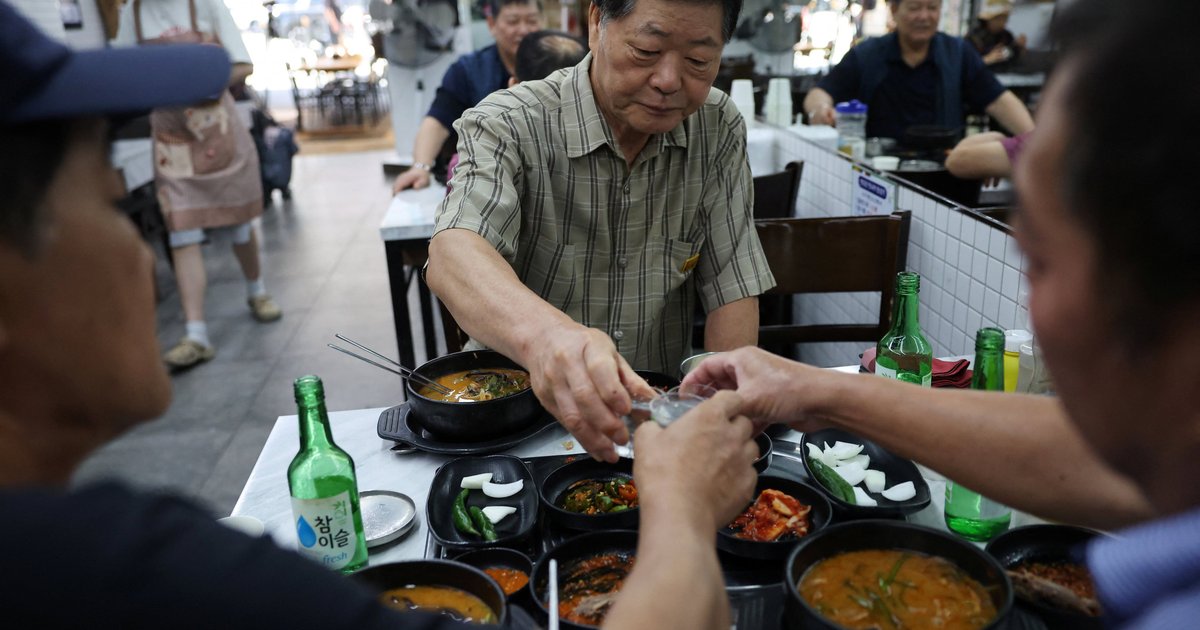
For decades, the three days of summer considered the hottest of the year were among the busiest for South Korea's dog meat restaurants, as diners sought traditional stamina-boosting foods to endure the heat. The third "boknal", or hot day, of 2026 on Friday carried an added sense of finality. It was the last before a nationwide ban on the breeding, slaughter and sale of dogs for meat takes full effect in February 2027. At the Moran Market in Seongnam, once the country's best-known hub for dog meat, lunchtime crowds filled alleyways lined with restaurants. Yet many businesses have shifted to black goat stew and other alternatives, while the few customers still ordering "bosintang", or dog meat stew, were overwhelmingly elderly. "It's really desolate now," said Kim Yong-book, head of the Moran Market Merchants' Association, who has worked in the area, which is near Seoul, for more than 40 years. What was once a bustling trade hub has become "a town of old people," he said.
Key Points
- Parliament passed legislation in January 2024 banning the breeding, slaughter, distribution and sale of dogs for human consumption, with a three-year grace period
- Moran Market in Seongnam, near Seoul, was once South Korea's most prominent dog meat market but now faces economic decline
- A 2024 survey of 2,000 respondents showed over 90 percent had no intention of eating dog meat in future, with nearly 95 percent having not eaten any in the previous year
- Government data indicates more than 5,600 businesses were affected by the legislation, with most dog farms already closing ahead of the 2027 deadline
- The ban campaign gained momentum under ousted President Yoon Suk-yeol and his wife, former first lady Kim Keon Hee, an animal welfare advocate
Why It Matters
The ban marks a profound cultural shift in South Korea, where dog meat has a centuries-old history despite never being officially recognized as a traditional cuisine. The transformation reflects changing attitudes across East Asia regarding animal welfare and could influence similar debates in other countries where such practices persist. For Hong Kong readers, this represents how rapidly social norms can change when public sentiment shifts, offering lessons for ongoing discussions about animal protection in the city.
The ban marks a profound cultural shift in South Korea, where dog meat has a centuries-old history despite never being officially recognized as a traditional cuisine. The transformation reflects changing attitudes across East Asia regarding animal welfare and could influence similar debates in other countries where such practices persist. For Hong Kong readers, this represents how rapidly social norms can change when public sentiment shifts, offering lessons for ongoing discussions about animal protection in the city.