Pet-Friendly Dining Thrives Despite Some Exits, Backup Mechanism Working: Leung Chun
SingTao · 1 SOURCESabout 1 hour ago5 MIN
Summary
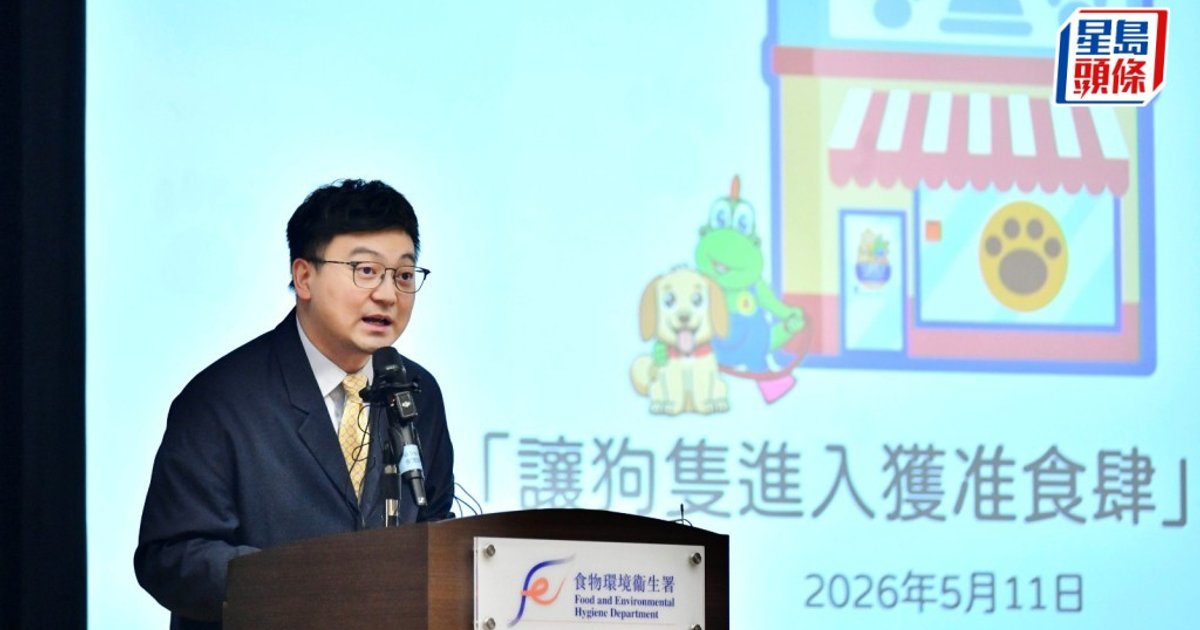
Hong Kong's pet-friendly restaurant initiative is generating encouraging results, with participating venues reporting business increases of up to 70 percent, according to industry representative Leung Chun. While some restaurants have chosen to exit the scheme, Leung emphasizes that the Food and Environmental Hygiene Department's (FEHD) backup mechanism is operating smoothly and efficiently. The lawmaker is urging the industry to carefully evaluate their readiness before applying.
Key Points
- Legislative Council member Leung Chun (梁進) noted that participating restaurants have seen revenue growth as high as 70 percent since implementing pet-friendly measures .
- The FEHD's backup mechanism for withdrawn quotas is working quickly and efficiently, filling vacancies left by restaurants that dropped out .
- Some restaurants applied initially thinking winning the lottery would be unlikely, then realized they lacked suitable conditions to accommodate pets .
- Leung advised applicants to thoroughly assess their main customer base, restaurant type, location, and space before applying for the scheme .
- Hong Kong has approximately 17,000 licensed food premises, none originally designed for dogs, though the situation will improve over time .
- The scheme is voluntary, with pet-friendly dining being just one option among strategies like outdoor seating, liquor licence relaxation, and Muslim-friendly services .
Why It Matters
The success of the pet-friendly scheme reflects Hong Kong's evolving dining culture and the growing demand for inclusive spaces. As the FEHD considers expanding quotas in the future, the scheme could become a model for balancing regulatory flexibility with market innovation, potentially influencing similar initiatives across the region .
The success of the pet-friendly scheme reflects Hong Kong's evolving dining culture and the growing demand for inclusive spaces. As the FEHD considers expanding quotas in the future, the scheme could become a model for balancing regulatory flexibility with market innovation, potentially influencing similar initiatives across the region .