Iranian President Describes 7-Hour Meeting with Supreme Leader Mujtaba, Reassures Public on His Health
Crhk · 2 SOURCESabout 1 hour ago3 MIN
Summary
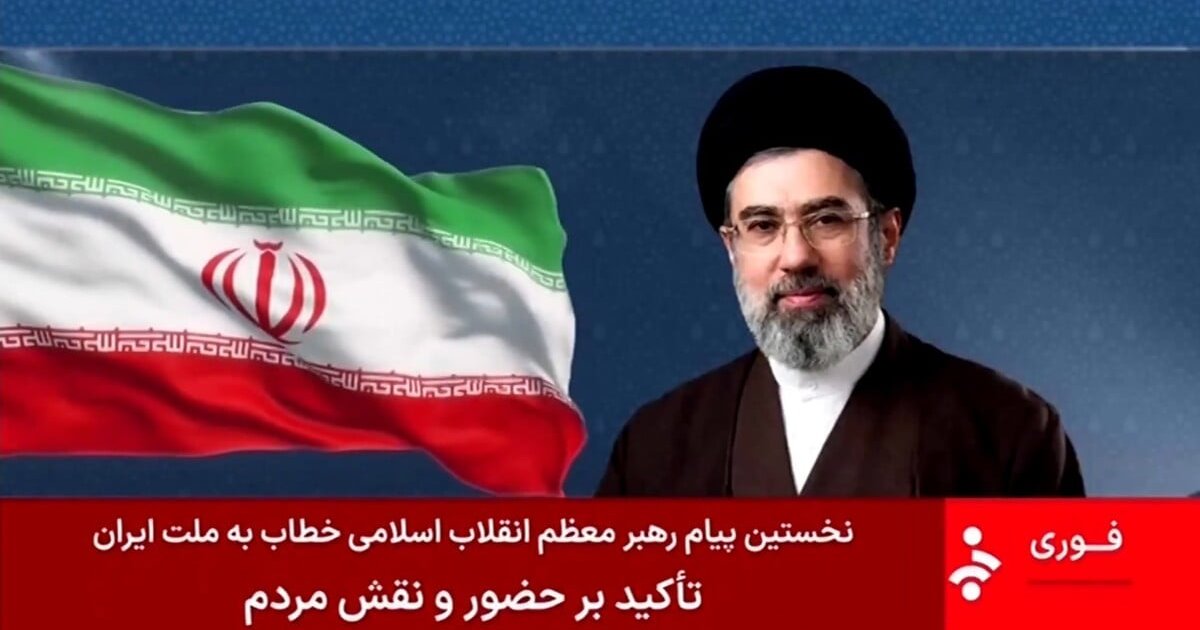
In a significant public statement, Iranian President Masoud Pezeshkian disclosed details of an extensive meeting with Supreme Leader Ayatollah Mojtaba Najafabadi, lasting approximately seven hours, during which the president personally assessed and confirmed the supreme leader's physical condition. The encounter represents the first official interaction between Iran's two top leaders since Najafabadi's abrupt rise to power in March following the death of his predecessor, Ayatollah Seyyed Ali Khamenei, who was killed in a late February US airstrike targeting his residential compound. The meeting addressed a broad spectrum of national concerns, ranging from everyday economic hardships faced by ordinary citizens to the geopolitical tensions threatening regional stability. Pezeshkian quoted Najafabadi as warning that adversarial powers are actively attempting to sow discord within Iranian society and that preserving national unity has become a paramount priority for the Islamic Republic.
Key Points
- Iranian President Pezeshkian held a seven-hour meeting with Supreme Leader Najafabadi, characterizing the supreme leader's health as "very good"
- The two leaders discussed challenges across domestic and foreign policy domains, including livelihood, employment, housing, and sanctions relief
- Najafabadi warned that hostile forces are working to create internal divisions in Iran and emphasized protecting national cohesion
- Topics covered current military conflict developments, latest advancements in defense capabilities, and management of foreign exchange and energy resources
- US forces struck Khamenei's residence in late February, killing the supreme leader and multiple family members; Najafabadi took power in March and has yet to appear publicly
Why It Matters
This disclosure comes at a critical juncture for Iran, as persistent rumors about Najafabadi's health and political viability have circulated internationally since the leadership transition. The carefully orchestrated public reassurance from Pezeshkian serves multiple strategic purposes: it aims to project regime stability both domestically and internationally while countering narratives that suggest a power vacuum or leadership vulnerability. For regional dynamics, particularly regarding ongoing conflicts involving Iran-aligned forces, confirmation of a functioning supreme leader ensures continuity in decision-making authority on matters of war and diplomacy. The emphasis on economic cooperation discussions signals Tehran's continued interest in navigating international sanctions through alternative diplomatic channels.
This disclosure comes at a critical juncture for Iran, as persistent rumors about Najafabadi's health and political viability have circulated internationally since the leadership transition. The carefully orchestrated public reassurance from Pezeshkian serves multiple strategic purposes: it aims to project regime stability both domestically and internationally while countering narratives that suggest a power vacuum or leadership vulnerability. For regional dynamics, particularly regarding ongoing conflicts involving Iran-aligned forces, confirmation of a functioning supreme leader ensures continuity in decision-making authority on matters of war and diplomacy. The emphasis on economic cooperation discussions signals Tehran's continued interest in navigating international sanctions through alternative diplomatic channels.