Depressed debtor jailed over bid to kill family
On.cc · 3 SOURCESabout 1 hour ago2 MIN
Summary
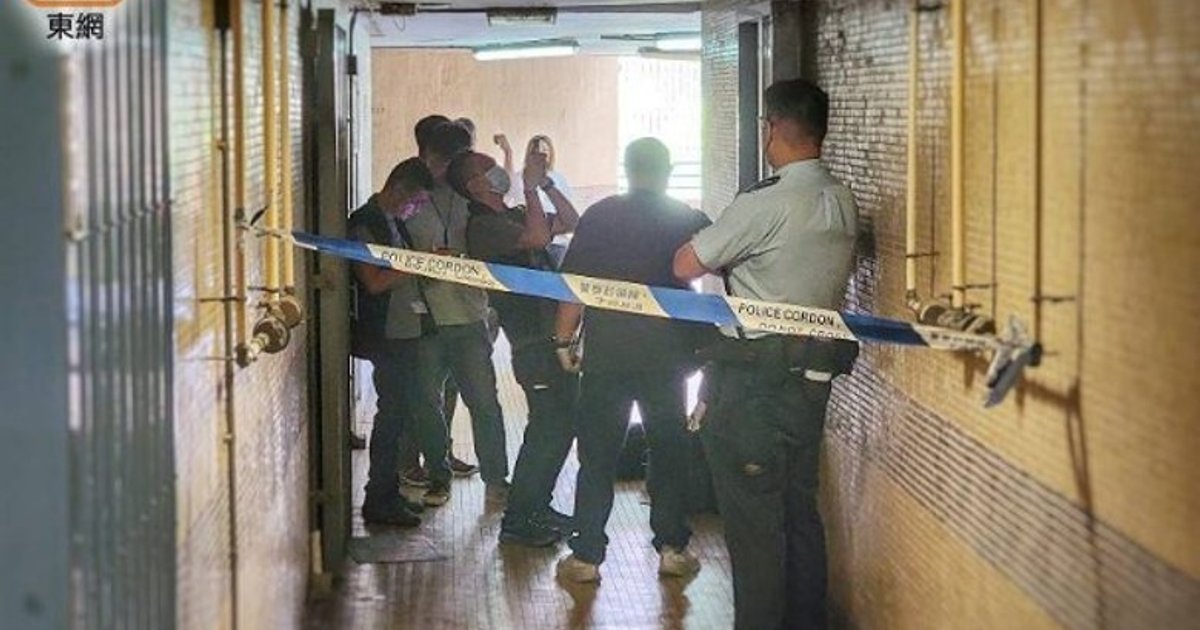
A 45-year-old unemployed man, Wong Pak-ting, was sentenced in the High Court to five years and four months after pleading guilty to four counts of attempted murder over a plan to kill his former wife and three daughters in their home at King On House, Shan King Estate, Tuen Mun, on 25 June 2024. The court heard that after business failure left him with debts of about HK$900,000 and amid depression, he prepared a so-called “last supper”, mixed sleeping pills and other drugs into food and drinks, sealed gaps in the flat, and burned charcoal. He later changed his mind in the middle of the night, doused the charcoal with water, and left the flat before firefighters and police arrived. Judge Alex Au Tak-kwong described the case as tragic and foolish, but noted the victims had forgiven Wong, no long-term harm was found, and his risk of reoffending was low after treatment.
Key Points
- Wong Pak-ting, 45, admitted four attempted murder charges involving his former wife, surnamed Leung, and their three daughters aged 13 to 16.
- The family had divorced in 2013 but reconciled in 2024, and all five were living together in the Shan King Estate flat at the time.
- Investigators said Wong laced soup noodles and five cups of bubble tea with antidepressants, sleeping pills and sedatives before setting charcoal alight indoors.
- Firefighters were called at about 6am on 26 June 2024; the four victims were conscious, later treated for carbon monoxide poisoning and drug ingestion.
- Judge Au set a starting point of eight years, then reduced the term to five years and four months after Wong’s guilty plea
Why It Matters
The case shows how untreated or poorly managed debt stress and depression can escalate into violence within a family, even where the offender later backs away. It also underlines the weight courts place on both planning and breach of trust in domestic attempted murder cases, while still considering treatment progress, remorse and victims’ forgiveness at sentencing.