Lawmaker Proposes Including Disabled in Guangdong Care Scheme to Ease Caregiver Strain
AM730 · 1 SOURCESabout 3 hours ago2 MIN
Summary
The issue of elderly caregivers supporting disabled family members is becoming increasingly prevalent in Hong Kong as the population ages. Legislative Council member Chan Man-yi, representing the social welfare sector, is proposing to expand the existing Guangdong Elderly Care Services Scheme to accommodate disabled persons and their caregivers in mainland facilities. Her proposal would allow families to participate in cross-generational shared living arrangements, potentially easing the significant burden faced by aging caregivers. The suggestion comes as advocates call for greater flexibility in care options for disabled residents and their families.
Key Points
- Hong Kong has approximately 200,000 disabled persons requiring care, with 35% being cared for by elderly parents or spouses, highlighting the widespread "elderly caring for disabled" challenge
- Caregiver Rita has looked after her son for over 20 years since he contracted encephalitis at age 19, leaving him with limb paralysis and speech impairment; she now worries about her own declining memory and cognitive health of other family members
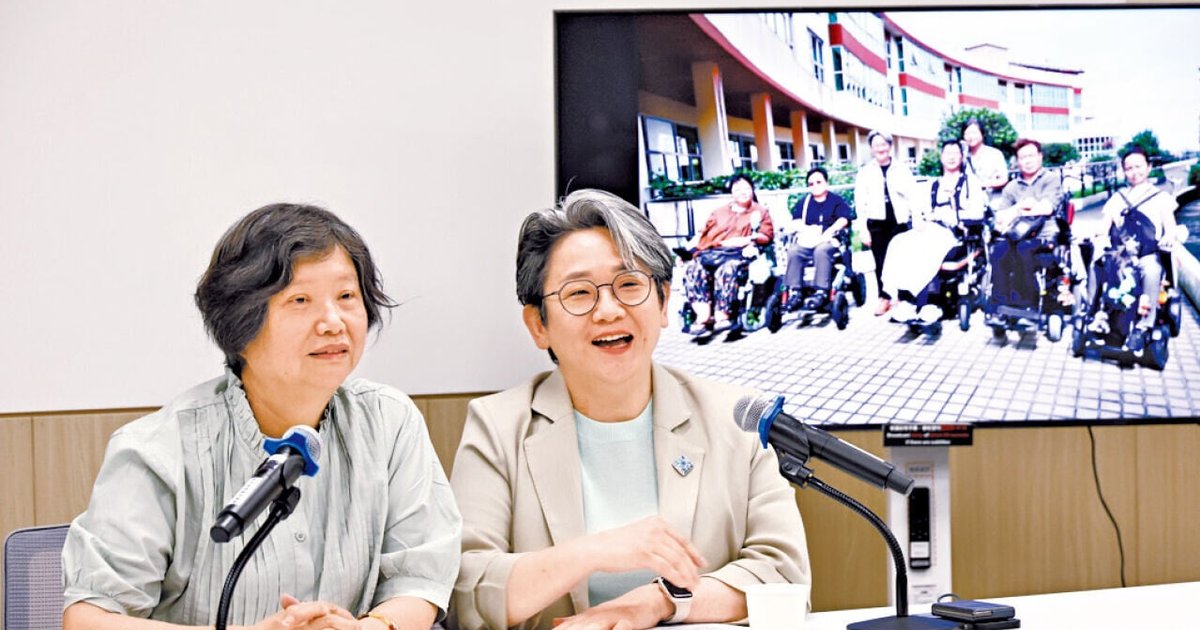
- Chan Man-yi and a delegation including 5 disabled persons and 1 caregiver visited approved elderly homes in Shenzhen's Yantian district, Foshan's Shunde district, and Huizhou's Aotou area last month to assess feasibility
- The delegation found mainland facilities offer more spacious family rooms with monthly rent of approximately 7,000 to 8,000 yuan for couples, excluding care fees
- The proposal recommends starting with a pilot program of 50 families (100 individuals) utilizing spare beds in the 29 designated elderly homes already participating in the Guangdong scheme
Why It Matters
This proposal addresses a critical gap in Hong Kong's eldercare and disability services infrastructure, where aging caregivers increasingly struggle to maintain care for disabled family members without adequate support systems. If implemented, the pilot could provide a viable alternative for families overwhelmed by caregiving demands while also serving as a model for how cross-border cooperation could enhance social welfare provision. The initiative reflects growing recognition that innovative solutions are needed to address the intersection of population aging and disability care needs in Hong Kong .
This proposal addresses a critical gap in Hong Kong's eldercare and disability services infrastructure, where aging caregivers increasingly struggle to maintain care for disabled family members without adequate support systems. If implemented, the pilot could provide a viable alternative for families overwhelmed by caregiving demands while also serving as a model for how cross-border cooperation could enhance social welfare provision. The initiative reflects growing recognition that innovative solutions are needed to address the intersection of population aging and disability care needs in Hong Kong .