Cross-Border Secondary Students Gain New Shuttle Bus Access via Lok Ma Chau Spur Line
SingTao · 1 SOURCESabout 1 hour ago6 MIN
Summary
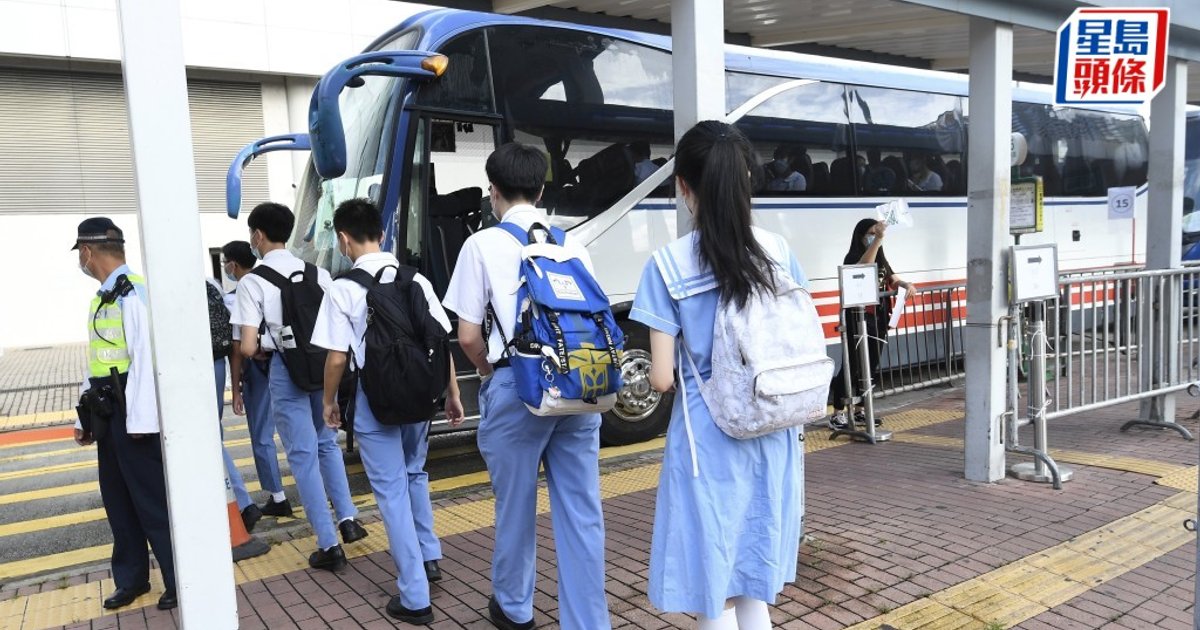
The Education Bureau has announced a significant expansion of cross-border school bus services, extending shuttle bus connections through the Lok Ma Chau Spur Line Control Point and Lo Wu Road to secondary school students from the 2026/27 academic year onwards. This relaxation replaces a previous arrangement limited to kindergarten and primary school pupils, acknowledging the changing demographics of cross-border education as younger children decline in numbers while secondary school enrollment rises. The timing coincides with the imminent completion of the new Huanggang Port, a 24-hour facility adjacent to the existing Futian Control Point, which authorities anticipate will emerge as the primary gateway for cross-border students attending schools throughout Hong Kong .
Key Points
- Starting September, cross-border secondary students may transfer to local school buses at the Lok Ma Chau Spur Line Control Point or designated locations on Lo Wu Road, requiring valid restricted area permits
- The Education Bureau is currently processing special quota applications for cross-border school bus services under the 26/27 academic year scheme
- School principals have endorsed the arrangement, with Yuen玄學院妙法寺內明陳呂重德紀念中學 principal Wong Kin-ho projecting increased enrollment from cross-border students in New Territories West schools
- The new 24-hour Huanggang Port is expected to divert cross-border student traffic, allowing parents to drive and drop-off children who then connect directly to transportation networks
- Lo Wu Road's limited space means few operators and school buses will receive approval for service there, with most students expected to use the Lok Ma Chau Spur Line instead
Why It Matters
The policy shift acknowledges a fundamental transformation in cross-border student patterns, redirecting educational infrastructure investment toward secondary-level services as kindergarten and primary enrollment declines. For Hong Kong schools in the New Territories West, particularly Tin Shui Wai and Tuen Mun, the arrangement opens a new recruitment pipeline from Shenzhen, potentially reversing enrollment declines in areas already facing population challenges. The Education Bureau's commitment to further optimize arrangements following Huanggang Port's opening signals sustained attention to cross-border educational connectivity as a regional development priority .
The policy shift acknowledges a fundamental transformation in cross-border student patterns, redirecting educational infrastructure investment toward secondary-level services as kindergarten and primary enrollment declines. For Hong Kong schools in the New Territories West, particularly Tin Shui Wai and Tuen Mun, the arrangement opens a new recruitment pipeline from Shenzhen, potentially reversing enrollment declines in areas already facing population challenges. The Education Bureau's commitment to further optimize arrangements following Huanggang Port's opening signals sustained attention to cross-border educational connectivity as a regional development priority .