The Price of Age: How Vinegar Transformed From Kitchen Staple to Auction-Grade Luxury
Bastillepost · 1 SOURCESabout 1 hour ago2 MIN
Summary
Vinegar, once a humble food preservative developed independently by ancient civilizations, has transformed into one of the world's most unexpected luxury commodities. In both Eastern and Western traditions, vinegar originated thousands of years ago as a method for food preservation, yet over centuries of refinement, these practical elixirs have evolved into highly prized artisanal products. Today, premium aged vinegars command prices comparable to fine wines, with 25-year Italian balsamic vinegar selling for up to 3,000 HKD per 100 milliliters, while Chinese Shanxi aged vinegar has become a collector's item with auction prices reaching tens of thousands of yuan .
Key Points
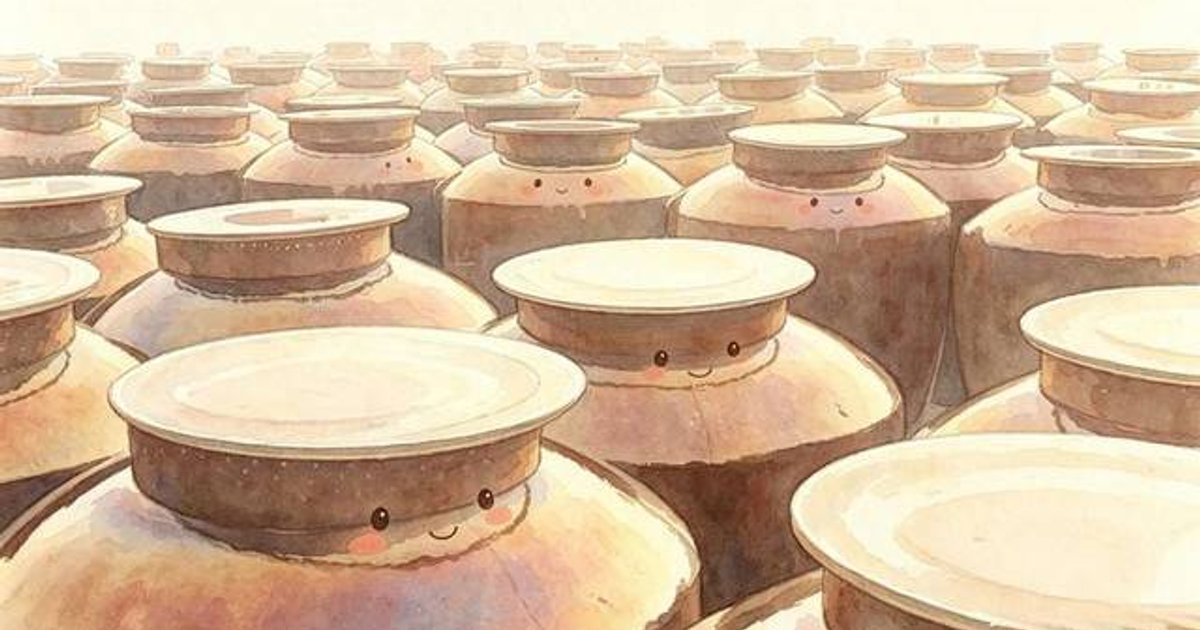
- Eastern vinegar traditions date back to the Zhou dynasty, with Shanxi aged vinegar and Zhenjiang fragrant vinegar perfected over thousands of years using sorghum and barley through solid-state fermentation and natural aging methods known as "winter ice-skimming and summer sun-drying"
- Italian Modena balsamic vinegar requires aging in rotating barrels of oak, chestnut, and cherry wood, with DOP-certified basic grades needing minimum 12 years and the highest Extravecchio grade requiring 25 or more years
- The deep black color of aged vinegars develops through the Maillard reaction, where sugars and amino acids undergo complex chemical changes during extended aging, creating concentrated flavors and aromas
- A mere 100-milliliter bottle of 25-year Extravecchio balsamic vinegar can command prices between 2,000 to 3,000 HKD, making it a common sight at international auctions alongside fine wines
- Shanxi aged vinegar exceeding five years sells for hundreds to thousands of RMB per jin, with limited-edition varieties aged in purple clay pots fetching auction prices of tens of thousands of yuan
Why It Matters
For Hong Kong consumers accustomed to drizzling red Zhejiang vinegar over wonton noodles or enjoying premium balsamic dressings at restaurants, this premiumization trend signals a broader shift in how everyday condiments are perceived and valued globally. The region's position as a major trade hub and dining destination means Hong Kong diners are increasingly likely to encounter these luxury vinegars both in fine dining establishments and as potential investment opportunities, blurring traditional boundaries between kitchen pantry staples and auction house collectibles .
For Hong Kong consumers accustomed to drizzling red Zhejiang vinegar over wonton noodles or enjoying premium balsamic dressings at restaurants, this premiumization trend signals a broader shift in how everyday condiments are perceived and valued globally. The region's position as a major trade hub and dining destination means Hong Kong diners are increasingly likely to encounter these luxury vinegars both in fine dining establishments and as potential investment opportunities, blurring traditional boundaries between kitchen pantry staples and auction house collectibles .