Hong Kong Dog Attacks Spark Review of Dangerous Breed Laws
SingTao · 2 SOURCESabout 1 hour ago2 MIN
Summary
Hong Kong authorities are reassessing dangerous dog regulations after two separate fatal incidents occurred within days, including the death of a 33-year-old woman at a licensed pet hotel in Ta Kwu Ling on August 20. The Environment and Ecology Bureau committed to reviewing the legal definition and breed list for regulated fighting dogs, while legislators called for stronger enforcement against illegal breeding and smuggling operations.
Key Points
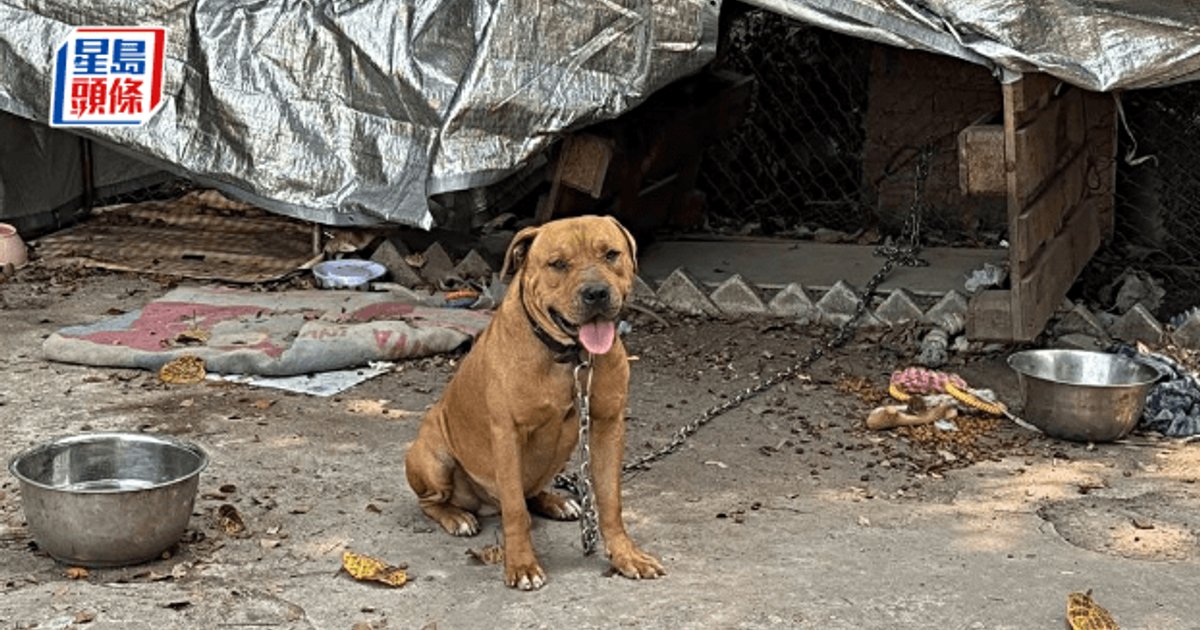
- A licensed pet hotel and training centre in Ta Kwu Ling became the site of a fatal dog attack on August 20, when a 33-year-old female owner was found dead with animal bite marks
- On August 17, a large dog in Yuen Long killed two small dogs; records show the same dog was involved in another attack on July 10 and the owner had received an official warning
- Hong Kong has regulated four types of fighting dogs since 2000 under the Dangerous Dogs Regulation, requiring yellow collars and leashes not exceeding two metres in public
- The dog involved in the Ta Kwu Ling fatality was registered simply as a "mixed breed" or "mongrel" on its licence, allowing it to bypass strict regulations designed for fighting breeds
- Legislative Council member Chan Hoi-yan urged authorities to strengthen cooperation with mainland China to combat smuggling and illegal breeding operations, noting that 29 known fighting dogs remain on government records
Why It Matters
The incidents expose systemic gaps in Hong Kong's dog registration system, where breed identification relies on owner declarations and visual inspection of puppies as young as three to five months—making it easy to circumvent regulations . A Social Work perspective emphasises that such tragedies rarely stem from a single cause, instead reflecting accumulated failures across breeding practices, owner responsibility, industry standards, and government oversight .
The incidents expose systemic gaps in Hong Kong's dog registration system, where breed identification relies on owner declarations and visual inspection of puppies as young as three to five months—making it easy to circumvent regulations . A Social Work perspective emphasises that such tragedies rarely stem from a single cause, instead reflecting accumulated failures across breeding practices, owner responsibility, industry standards, and government oversight .