Labour Dept to Finalize Heat Warning Review Before 2027 Summer, Stays Open to Heat Stroke Occupational Disease Classification
SingTao · 8 SOURCESabout 2 hours ago3 MIN
Summary
Labour Commissioner Hui Chak-sam confirmed on Sunday that the department will finalize its review of the enhanced work heat stress warning system by summer 2027. The optimized mechanism addressed earlier criticism that the original system was overly sensitive to humidity and poor ventilation while giving insufficient weight to solar radiation, causing warning levels to lag behind public expectations during intense heat periods. The commissioner expressed openness to the possibility of classifying heat stroke as an occupational disease, though he emphasized that any such change would require robust medical evidence proving a direct causal link between the condition and specific workplace environments. Employers bear legal responsibility for managing heat-related risks under existing occupational safety regulations, regardless of whether the warning system is activated.
Key Points
- The enhanced system adds two new pillars to strengthen areas previously under-reacting, activating higher warning levels when heat radiation is strong and temperatures are high
- The department will not directly adopt the Wet Bulb Globe Temperature (WBGT) index, as doing so would reduce the system's sensitivity to humidity and poor ventilation critical in Hong Kong's muggy climate
- Hui remains open to including heat stroke as an occupational disease, but requires sufficient medical evidence proving a causal relationship between the condition and specific work environments
- The Labour Department is considering building a database of confirmed work-related heat stroke cases to assist medical professionals in future assessments and establish clearer diagnostic criteria
- Employers retain legal responsibility for managing heat exhaustion and heat stroke risks regardless of warning activation under existing safety regulations
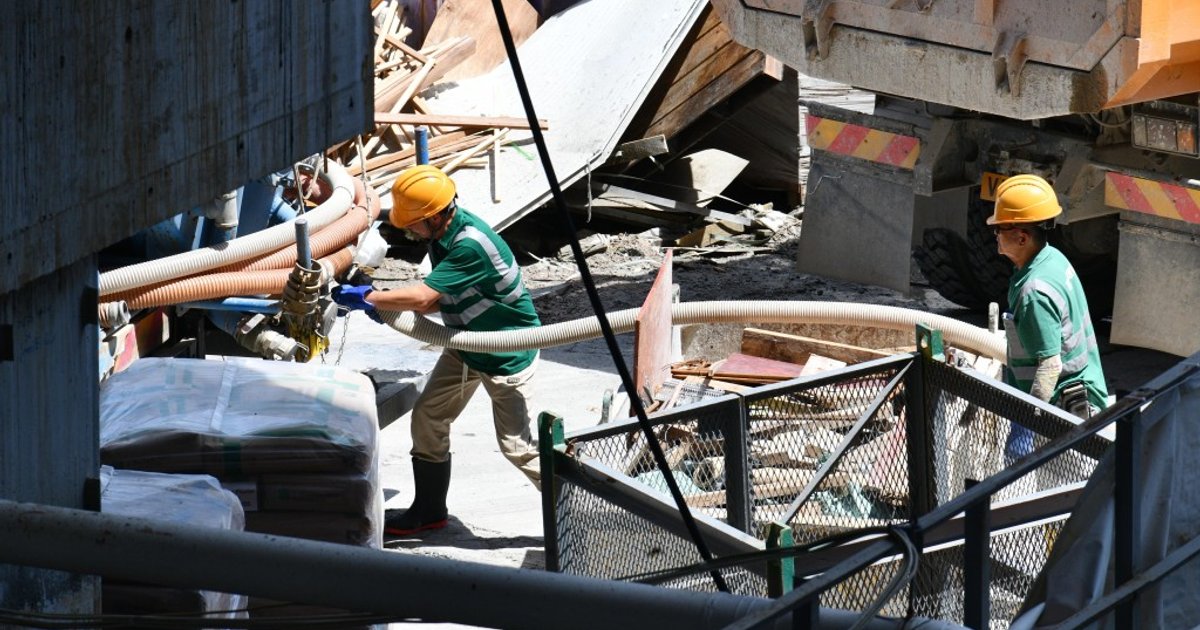
- Construction sites that implement cooling measures such as cooling stations, fans, and shading may not need to halt all work despite elevated warnings, though worker health must remain the priority
Why It Matters
This review carries significant implications for Hong Kong's outdoor and indoor workers who face extreme heat during summer months, as the outcome may reshape employer responsibilities, compensation frameworks, and potentially redefine heat stroke as a recognized occupational condition requiring formal medical documentation . The assessment will determine whether the current optimization strikes the right balance between protecting worker health and maintaining operational feasibility for industries such as construction, with the government signaling willingness to discuss deadline extensions caused by extreme weather .
This review carries significant implications for Hong Kong's outdoor and indoor workers who face extreme heat during summer months, as the outcome may reshape employer responsibilities, compensation frameworks, and potentially redefine heat stroke as a recognized occupational condition requiring formal medical documentation . The assessment will determine whether the current optimization strikes the right balance between protecting worker health and maintaining operational feasibility for industries such as construction, with the government signaling willingness to discuss deadline extensions caused by extreme weather .