Surgeon Chu Kin-wah Loses Final Appeal Over Gauze Left in Patient After Surgery
On.cc · 2 SOURCESabout 1 hour ago2 MIN
Summary
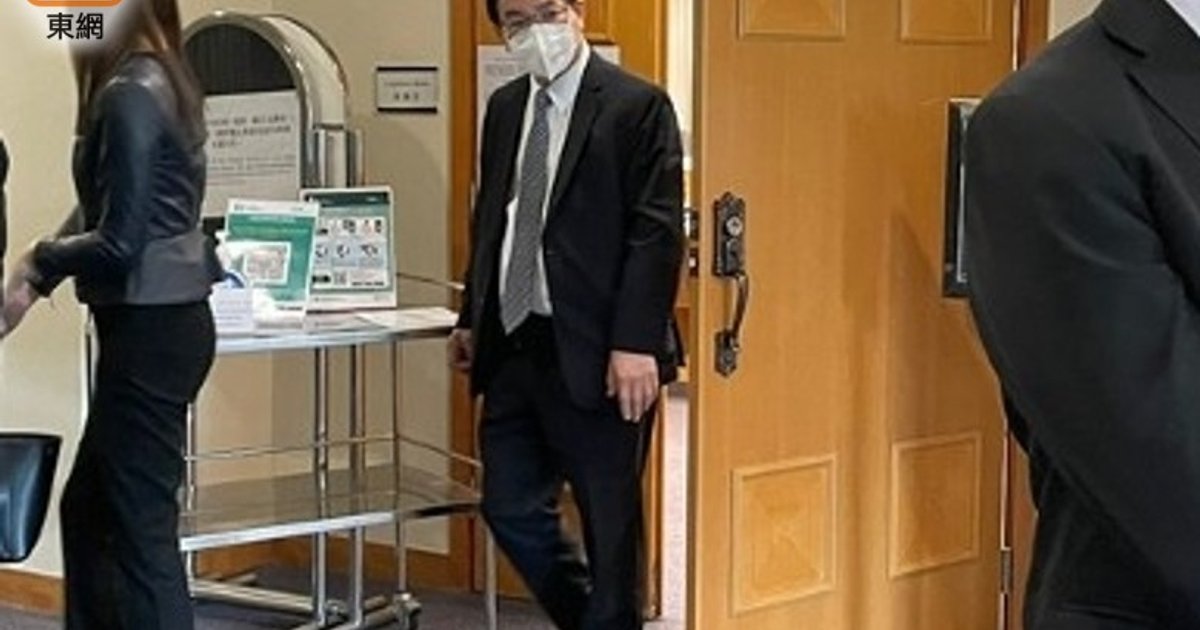
The Court of Final Appeal on Tuesday dismissed surgeon Chu Kin-wah's application for leave to appeal against his professional misconduct convictions, bringing an end to years of legal proceedings stemming from a 2015 surgical error. The case centered on a gauze pad left inside a patient's abdomen, causing months of unexplained pain until a second operation revealed the cause. The Medical Council had ordered Chu's removal from the medical register for six months, a sanction the Court of Appeal upheld in January before Tuesday's final rejection .
Key Points
- Chu Kin-wah, a general surgeon, performed surgery on a patient in October 2015 and failed to detect that a fist-sized gauze pad had been left inside the patient's abdominal cavity .
- The patient experienced persistent abdominal pain and sought multiple follow-up examinations from Chu, but proper diagnostic steps were not taken to investigate the cause .
- The gauze was eventually discovered when the patient consulted another doctor, requiring emergency surgery to remove the foreign object .
- The Medical Council found Chu guilty of two counts of professional misconduct and imposed a combined six-month suspension from practice .
- Represented by Senior Counsel Leung Ting-bong, Chu argued that the Council should have considered clinical records from 17 other doctors who treated the patient simultaneously, but the courts rejected this argument .
Why It Matters
The ruling reinforces Hong Kong's standards for post-operative care and physician accountability, establishing that failure to properly investigate persistent symptoms—even without evidence of intentional negligence—can constitute serious professional misconduct warranting significant sanctions . The case serves as a cautionary example for the medical profession regarding the importance of thorough follow-up care and diagnostic diligence, particularly when patients present with unexplained complications after surgery .
The ruling reinforces Hong Kong's standards for post-operative care and physician accountability, establishing that failure to properly investigate persistent symptoms—even without evidence of intentional negligence—can constitute serious professional misconduct warranting significant sanctions . The case serves as a cautionary example for the medical profession regarding the importance of thorough follow-up care and diagnostic diligence, particularly when patients present with unexplained complications after surgery .