Commentary: Hong Kong Waterfront Plan Must Engage Youth, Not Just Serve Yacht Owners
HK01 · 1 SOURCESabout 1 hour ago3 MIN
Summary
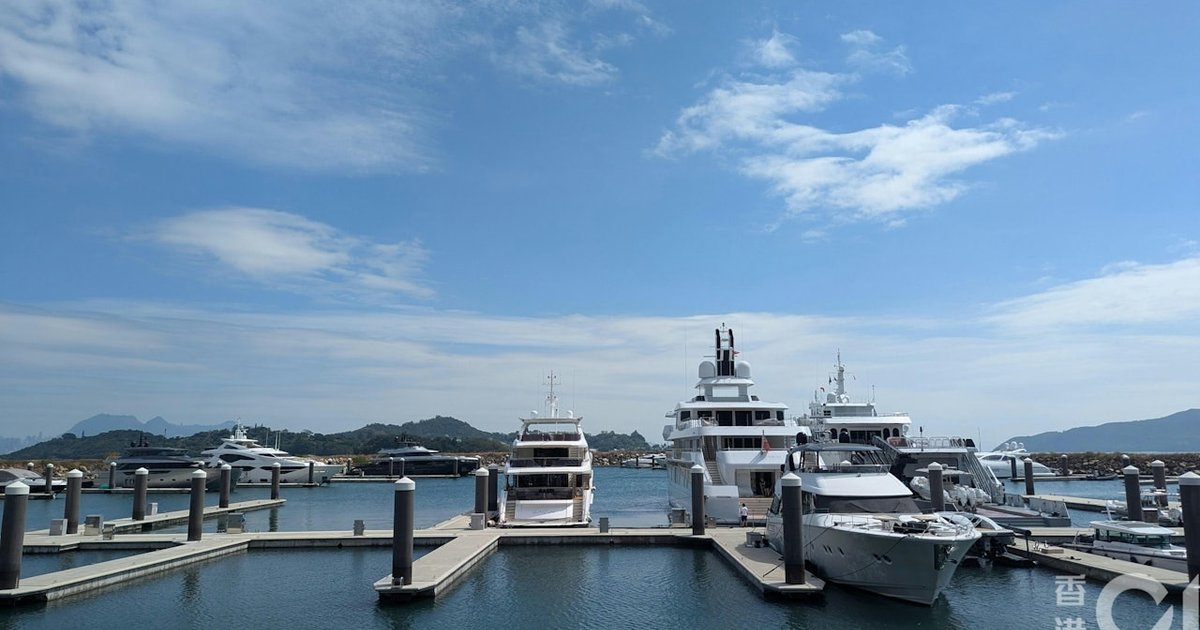
The government gazetted on August 7 a proposal to allow the Airport Authority Hong Kong to develop water recreation and yacht harbor facilities near the Hong Kong International Airport, the Hong Kong-Zhuhai-Macao Bridge Hong Kong Port, and Tung Chung. The project, targeted for completion in 2030, has sparked debate about whether Hong Kong's waterfront development should prioritize high-end tourism or serve ordinary citizens. A commentary published in HK01 argues that while the project's language—yacht harbors, lifestyle landmarks, tourism benefits—sounds appealing, it risks creating a sea that only the wealthy can truly access. The author calls for public accessibility quotas, marine education programs, and meaningful community engagement to be written into the project design from the outset, rather than added as afterthoughts once construction and commercial operations are already finalized.
Key Points
- The proposed development includes seabed dredging, breakwaters, berths, floating walkways, rope skiing towers, and water park facilities, with construction expected to begin in 2027 and finish by 2030
- The government states the project aims to create a "marine-oriented lifestyle landmark" for residents and visitors, though critics question who will actually benefit from it
- The commentary notes that for many young Hong Kong residents, the sea remains merely a backdrop—a scenic view in photos or a geographical fact from textbooks—rather than an accessible part of daily life
- The author recommends that water recreation facilities reserve usage time, affordable pricing, and access pathways for students, youth groups, and grassroots families to ensure the sea is not exclusive to yacht owners
- The project area should serve as an outdoor classroom where students can learn about marine ecology, cross-border infrastructure, aviation logistics, and the tensions between conservation and development
- Public consultation ends on October 7, though the author argues standard technical procedures may not capture the broader concerns of Tung Chung residents, fishermen, environmental groups, and youth organizations
- The commentary emphasizes that true urban development should make residents feel connected to their city, not just make a location more attractive to tourists and high-spending visitors
Why It Matters
Tung Chung is already a densely populated residential area with existing community needs, and any major development must address whether local families will gain new opportunities for safe, affordable water activities or simply face increased crowds and unaffordable luxury amenities. If public accessibility and youth engagement are not embedded into the project's planning phase now, they will be difficult to retrofit once construction begins in 2027. Hong Kong's identity as a port city depends on whether its citizens—particularly young people—can develop meaningful, ongoing relationships with the sea that surrounds them.
Tung Chung is already a densely populated residential area with existing community needs, and any major development must address whether local families will gain new opportunities for safe, affordable water activities or simply face increased crowds and unaffordable luxury amenities. If public accessibility and youth engagement are not embedded into the project's planning phase now, they will be difficult to retrofit once construction begins in 2027. Hong Kong's identity as a port city depends on whether its citizens—particularly young people—can develop meaningful, ongoing relationships with the sea that surrounds them.