Hong Kong-born Foil Fencer Aims for 2028 Olympics Representing New Zealand
SCMP · 1 SOURCESabout 1 hour ago2 MIN
Summary
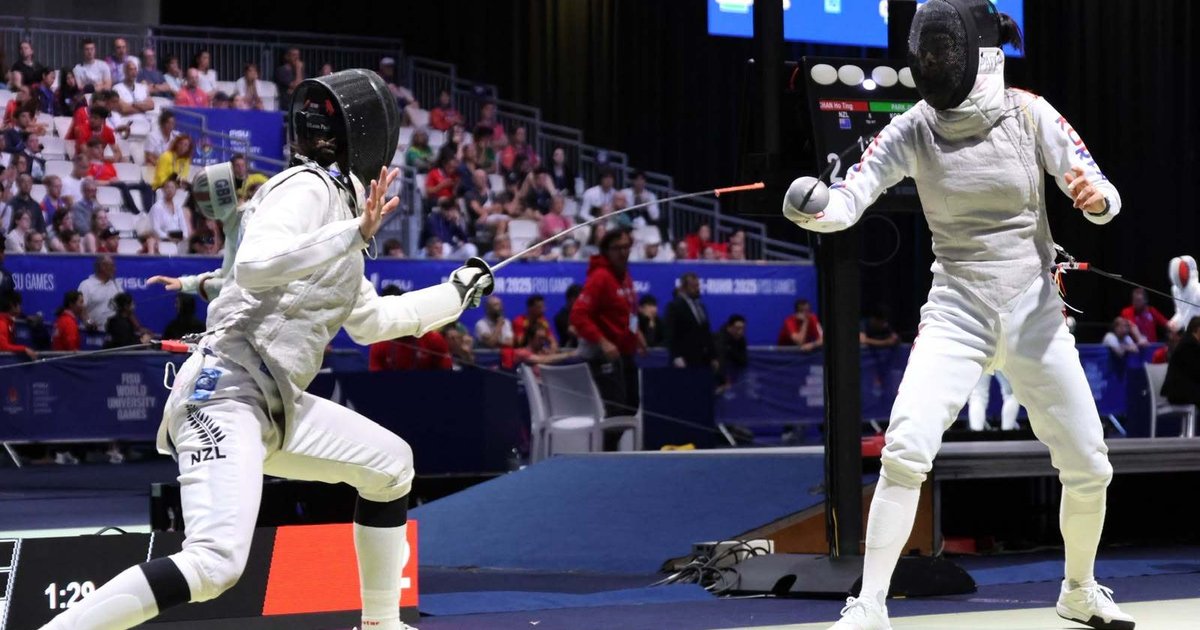
Ruby Chan Ho-ting (Ruby Chan) represents an emerging story in Olympic qualifying sports — a Hong Kong-born athlete who has chosen to compete internationally under New Zealand's banner. Born on October 25, 2005, Chan grew up in Hong Kong before relocating abroad with her family at the age of 14 . Now 20 years old, she is pursuing a ambitious goal: earning a place at the 2028 Los Angeles Olympics as a foil fencer representing New Zealand . Her journey reflects the complex pathways that athletes can take when navigating national identity and sporting ambitions across different systems.
Key Points
- Chan began fencing at age nine at Hong Kong Baptist University Affiliated School Wong Kam Fai Secondary and Primary School, but only took the sport seriously after moving to New Zealand at age 14 .
- She chose foil over épée because she finds the right-of-way system intellectually engaging, describing the weapon as "physical chess" with more time for strategic observation during bouts .
- New Zealand's fencing landscape differs significantly from Hong Kong's, with épée being the dominant weapon and far fewer participants overall in the sport .
- Currently a physiotherapy student at Auckland University of Technology in Auckland, Chan's reduced academic workload in New Zealand has allowed her to dedicate more time to intensive fencing training .
- At the recent World Championships held in Hong Kong, Chan competed wearing NZL on her jacket — a symbolic moment reflecting her dual heritage and her chosen national representation .
Why It Matters
Chan's trajectory highlights how athletes with multicultural backgrounds can leverage different national sporting systems to pursue Olympic dreams that might be more competitive in their country of birth. For Hong Kong's fencing community, her success story — even as it unfolds with another nation's colours — underscores the international mobility of athletes trained in the city's sports programmes and could inspire future cross-border sporting pathways.
Chan's trajectory highlights how athletes with multicultural backgrounds can leverage different national sporting systems to pursue Olympic dreams that might be more competitive in their country of birth. For Hong Kong's fencing community, her success story — even as it unfolds with another nation's colours — underscores the international mobility of athletes trained in the city's sports programmes and could inspire future cross-border sporting pathways.