Four Workers Killed in Japan Train Collision at Shin-Kanuma Station
Bbc · 2 SOURCESabout 2 hours ago2 MIN
Summary
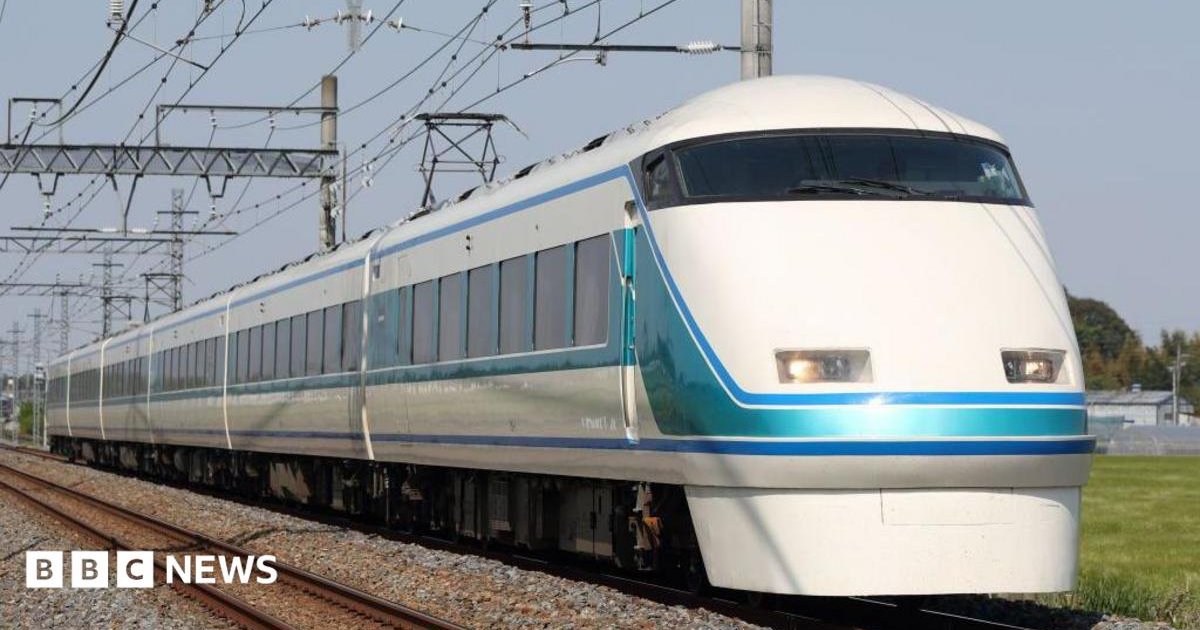
Four maintenance workers in Japan were killed on Thursday morning when they were struck by a limited express train while conducting track maintenance at Shin-Kanuma Station in Tochigi Prefecture, north of Tokyo. The collision occurred at approximately 10:46 local time as the workers were removing weeds from the railway tracks. Emergency responders found three workers trapped underneath the train and another on the station platform, and all four were subsequently pronounced dead at hospital despite rescue efforts .
Key Points
- The accident occurred at Shin-Kanuma Station along the Tobu Nikko Line in Tochigi Prefecture at approximately 10:46 a.m. local time
- The four male workers were on the tracks to remove weeds when they were struck by a limited express train
- Three workers were found trapped beneath the train while a fourth victim was discovered on the platform
- All four workers were taken to hospital unconscious and later pronounced dead despite medical intervention
- The train involved was a limited express service, the second-fastest type in Japan after the Shinkansen bullet train
- Train services on the Tobu Nikko Line have been suspended following the incident
Why It Matters
This tragedy raises serious questions about track maintenance safety protocols in Japan, where such fatal accidents are exceedingly rare given the country's highly developed railway network . The incident has prompted investigations into why standard warning procedures, which typically involve having an employee stationed nearby to alert workers of approaching trains, may have failed on this occasion .
This tragedy raises serious questions about track maintenance safety protocols in Japan, where such fatal accidents are exceedingly rare given the country's highly developed railway network . The incident has prompted investigations into why standard warning procedures, which typically involve having an employee stationed nearby to alert workers of approaching trains, may have failed on this occasion .