From Phone Straps to Retail Empire: Lo Sung-Cheung's 30-Year Journey
HK01 · 1 SOURCESabout 1 hour ago6 MIN
Summary
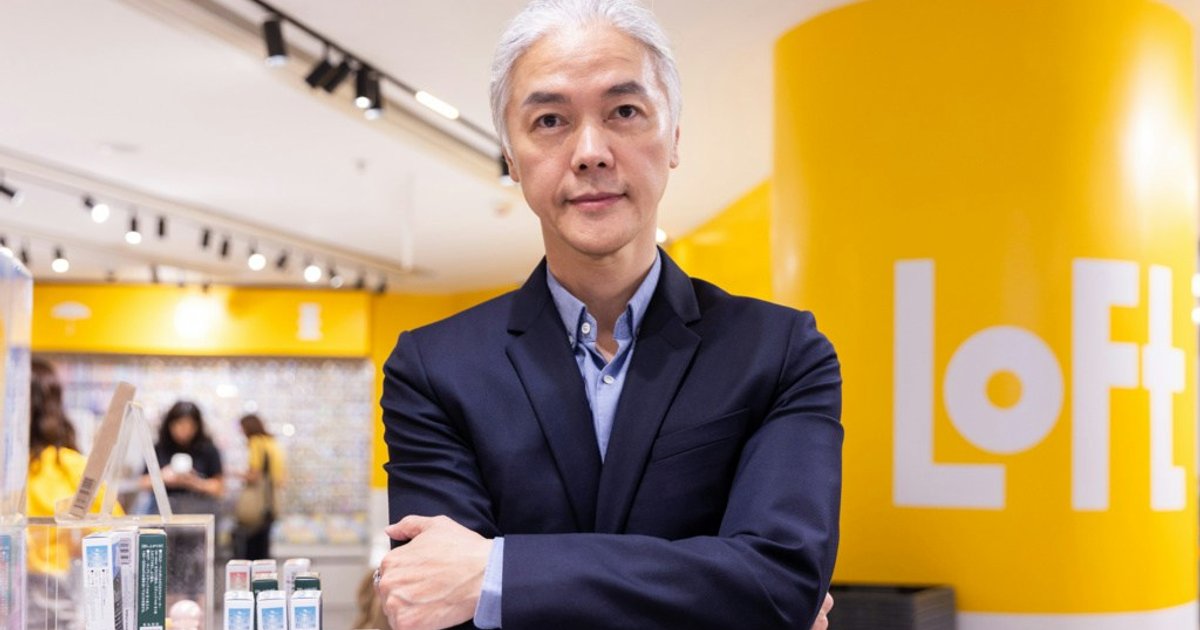
Japanese retail entrepreneur Lo Sung-Cheung (羅盛昌) has revealed the dramatic ups and downs of his three-decade business journey, from humble beginnings selling phone straps in Japan to listing his company Hamee Corporation on the Tokyo Stock Exchange in 2015, and ultimately building a Japanese lifestyle ecosystem in Hong Kong through YAICHI. In an exclusive interview with HK01, the veteran businessman shared how he lost his first million to fraud, saw his bank account drop to near-zero, and suffered eight-figure losses in his ill-fated restaurant venture—yet emerged with a philosophy of relentless perseverance. His current venture YAICHI now distributes over 100 Japanese brands including Tokyo Banana and Shiroi Koibito, while introducing 3COINS and LOFT to Hong Kong shoppers under a revolutionary "same price as Japan" model.
Key Points
- Lo left Hong Kong at 17 to study in Japan, where he co-founded his first company during his third year of university, dealing in mobile phone accessories including the popular phone strap
- In 2008 during the global financial crisis, he acquired Korean phone case brand iFace, which carried debt of nearly 100 million yen (approximately 7 million Hong Kong dollars), convincing banks to approve the leveraged buyout
- His company Hamee Corporation listed on the Tokyo Stock Exchange in 2015; he subsequently sold his shares and founded 81Group and YAICHI
- Early in his career, he lost his first million Hong Kong dollars to two companies that engaged in fraudulent bankruptcy schemes, leaving his account with only a few dollars remaining
- His F&B venture, which included a 5,000-square-foot Hong Kong store with cafe, omakase, and bakery concepts plus a Macau branch, closed within two years, incurring losses in the eight figures
Why It Matters
Lo's journey from near-bankruptcy to building a Japanese retail ecosystem in Hong Kong offers a masterclass in resilience for local entrepreneurs, while YAICHI's "same price as Japan" model could reshape how Hong Kong consumers access Japanese goods . His experience demonstrates that in an era of economic uncertainty, cultivating a diversified ecosystem approach—rather than isolated ventures—may be the key to long-term business survival and growth in the region .
Lo's journey from near-bankruptcy to building a Japanese retail ecosystem in Hong Kong offers a masterclass in resilience for local entrepreneurs, while YAICHI's "same price as Japan" model could reshape how Hong Kong consumers access Japanese goods . His experience demonstrates that in an era of economic uncertainty, cultivating a diversified ecosystem approach—rather than isolated ventures—may be the key to long-term business survival and growth in the region .