Katsu Curry Index Emerges as New Yen Valuation Benchmark, Surpassing Big Mac
AM730 · 2 SOURCESabout 1 hour ago2 MIN
Summary
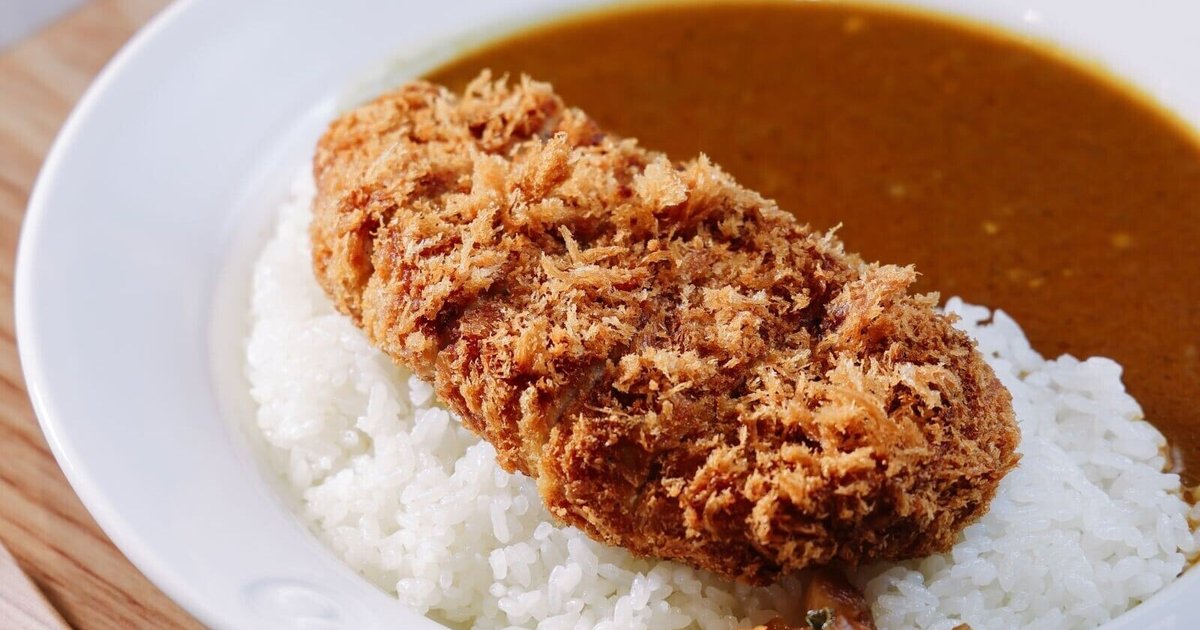
Bank of New York Mellon senior strategist Geoff Yu has introduced the Katsu Curry Index to replace the Big Mac Index as a more accurate measure of yen purchasing power. Based on prices from the CoCo Ichiban chain, the index suggests the yen is undervalued by roughly 60.9 percent against the dollar. The traditional Big Mac Index shows a more modest 49.6 percent undervaluation, highlighting how everyday Japanese foods may better reflect currency disparities affecting citizens.
Key Points
- Geoff Yu of Bank of New York Mellon designed the Katsu Curry Index using CoCo Ichiban prices, calculating fair dollar-yen value at 62.18
- The index shows 1 USD should equal 62.18 JPY, compared to the market rate of approximately 159.23 JPY, a 60.9 percent gap
- By contrast, the Big Mac Index indicates fair value at 80.3 JPY per dollar, suggesting the Katsu Curry Index reflects greater undervaluation
- Japan and the United States conducted their largest joint currency intervention in 15 years earlier, pushing the yen from 40-year lows
- The yen has since surrendered roughly half of those intervention gains, reigniting market focus on yen weakness
Why It Matters
If staple foods like katsu curry and ramen become unaffordable for ordinary Japanese households, public pressure for policy changes could intensify, potentially reshaping Japan's monetary and fiscal trajectory . Hong Kong investors with yen-denominated assets or business ties should monitor these dynamics closely, as sustained yen weakness could affect regional trade flows and competitive positioning.
If staple foods like katsu curry and ramen become unaffordable for ordinary Japanese households, public pressure for policy changes could intensify, potentially reshaping Japan's monetary and fiscal trajectory . Hong Kong investors with yen-denominated assets or business ties should monitor these dynamics closely, as sustained yen weakness could affect regional trade flows and competitive positioning.