Himalayan Flood Deaths Rise to 974 as Rescuers Battle to Reach Trapped Workers
Thestandard · 9 SOURCESabout 1 hour ago2 MIN
Summary
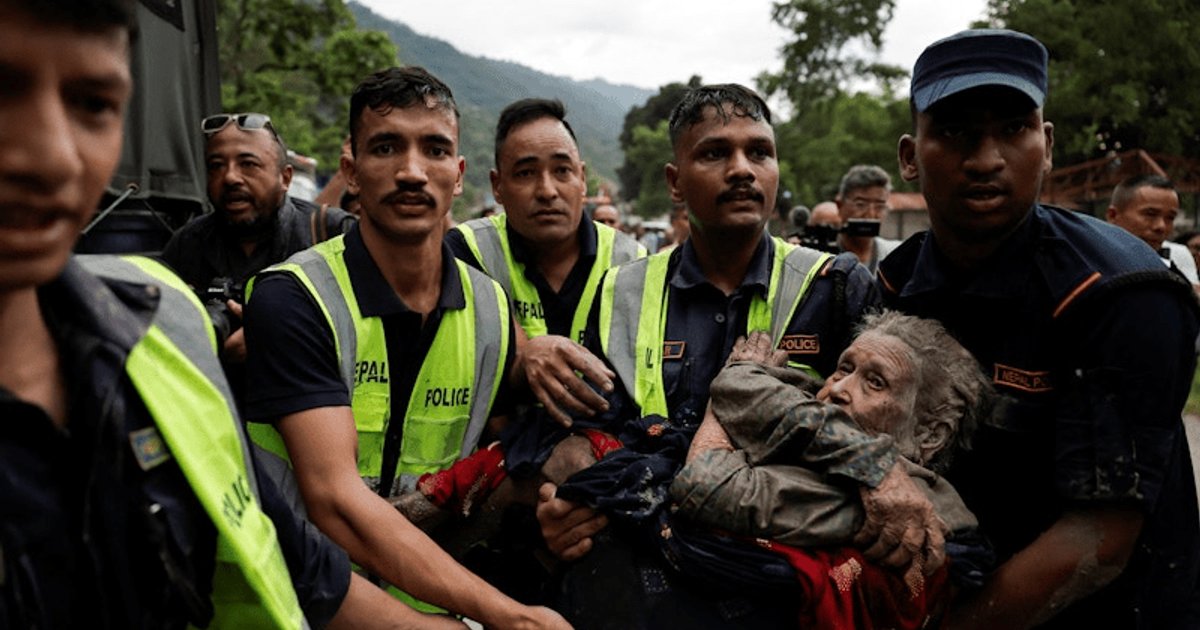
The death toll from last week's catastrophic Himalayan glacier collapse and subsequent flooding has reached 974 with 4,599 people still missing in Nepal and Tibet as rescue operations enter their seventh day on Tuesday . Rescuers are using explosives to blast through hillsides to reach hundreds of workers believed trapped in mud-filled tunnels at hydropower plants along the Trishuli River . An international team including Chinese and Nepalese military personnel, along with experts from India, Korea and Australia, is leading the rescue effort as families hold onto hope six days after the disaster .
Key Points
- Nepal police confirmed 974 bodies have been recovered as of Monday evening, with 4,599 still missing following Wednesday's glacier collapse that triggered catastrophic mudslides along the China-Nepal border
- An estimated 600 or more workers remain trapped in a vast network of mud-filled tunnels at multiple hydropower projects in Rasuwa and Nuwakot districts, where each plant employs hundreds of local, migrant and skilled workers
- Army personnel have resorted to using explosives to blast into hillsides before pumping air into the Trishuli-3A hydropower site, with Prime Minister Balendra Shah confirming 279 people have been rescued from the sites so far
- The missing list includes 592 foreign nationals, 933 hydropower project workers, 45 Nepali army soldiers, 38 police and armed police officers, and 19 customs and immigration officers
- On the Tibetan side, 16 people died and 546 are missing in Gyirong County, including 261 foreign nationals from 23 countries such as 104 Nepalis, 49 Indians, 33 Latvians, 18 Americans and 15 Britons
Why It Matters
This disaster represents the most severe cross-border catastrophe in recent years between China and Nepal, with Chinese Foreign Minister Wang Yi describing rescue operations as being of unprecedented difficulty and complexity . The involvement of international nationals and hundreds of hydropower workers underscores the human cost of development in vulnerable mountainous regions, while the Red Cross estimate that over 90,000 people have been affected highlights the disaster's far-reaching humanitarian impact . Climate change has been linked to the glacial collapse that triggered this catastrophe, raising concerns about the growing frequency of such events in the Himalayan region.
This disaster represents the most severe cross-border catastrophe in recent years between China and Nepal, with Chinese Foreign Minister Wang Yi describing rescue operations as being of unprecedented difficulty and complexity . The involvement of international nationals and hundreds of hydropower workers underscores the human cost of development in vulnerable mountainous regions, while the Red Cross estimate that over 90,000 people have been affected highlights the disaster's far-reaching humanitarian impact . Climate change has been linked to the glacial collapse that triggered this catastrophe, raising concerns about the growing frequency of such events in the Himalayan region.