Japanese Cold Water Cup Noodles Spark Shopping Frenzy Across Hong Kong
SingTao · 2 SOURCESabout 1 hour ago5 MIN
Summary
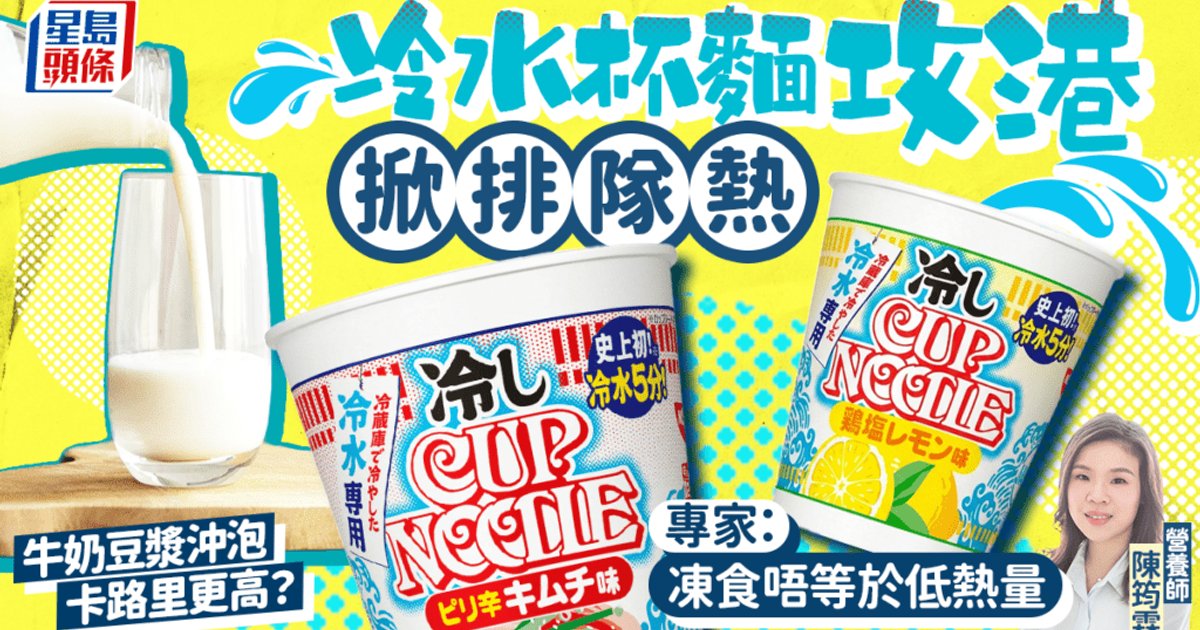
Japanese cold water cup noodles, an innovative product that can be prepared using cold water at just 5-10°C, have launched in Hong Kong and sparked a nationwide shopping frenzy. Major retail chains including 759反映屋 (759 Okashiland) and various supermarket groups have engaged in a fierce competition for customers, with limited-time sales events drawing long queues in sweltering 32-degree temperatures. While consumers scrambled to get their hands on the novelty item, nutrition experts have weighed in to debunk the misconception that cold noodles are healthier than their hot counterparts.
Key Points
- The product took five years to develop and uses patented technology to create larger pores in the noodle surface, allowing cold water molecules to penetrate and soften the noodles in just five minutes .
- A one-day-only sale event held by 759 Okashiland in Kwun Tong attracted over 30 customers queuing 30 minutes before opening, with staff distributing water bottles to those waiting in the heat .
- Online platforms and supermarkets claimed to have stock but many customers reported finding empty shelves, leading to a two-day waiting period for online deliveries .
- Nutritionist Krista Chan Yuen-lin from Home Nutrition Centre confirmed that cold cup noodles contain no fewer calories, fat, carbohydrates, or sodium than traditional hot-water cup noodles .
- Chemistry teacher Alan Sir warned that hot water should never be used with these noodles, as the excessive heat would cause the noodles to become overly soft and mushy due to the enlarged pore structure .
Why It Matters
The cold water cup noodle phenomenon reflects a broader trend of Japanese novelty food products finding eager markets in Hong Kong, where consumers often queue for hours regardless of practical concerns about value or taste. For Hong Kong residents watching their sodium intake, the popularity of these seemingly healthier alternatives underscores the importance of reading nutrition labels carefully, as the convenience factor should not override awareness of hidden health risks associated with processed foods .
The cold water cup noodle phenomenon reflects a broader trend of Japanese novelty food products finding eager markets in Hong Kong, where consumers often queue for hours regardless of practical concerns about value or taste. For Hong Kong residents watching their sodium intake, the popularity of these seemingly healthier alternatives underscores the importance of reading nutrition labels carefully, as the convenience factor should not override awareness of hidden health risks associated with processed foods .