Flag Football Gains Traction in China as Hong Kong Eyes Olympic-Backed Sport
SCMP · 1 SOURCESabout 1 hour ago2 MIN
Summary
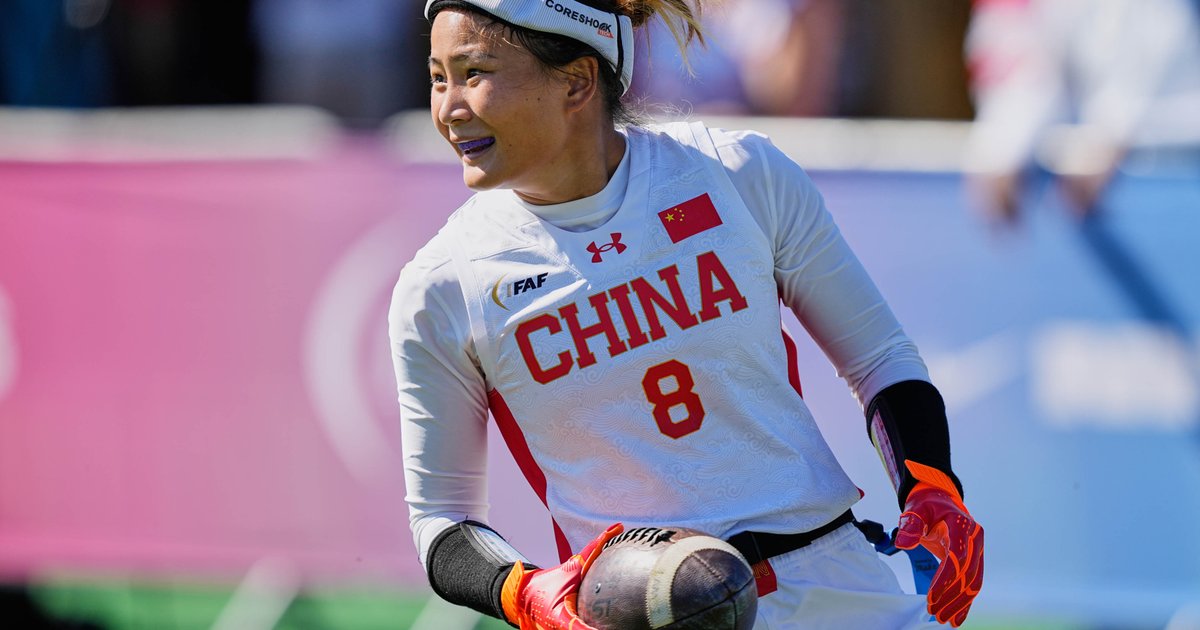
Flag football is experiencing rapid growth in mainland China, with over a million players now participating in the non-contact version of American football, while Hong Kong is pushing to carve out its own space in the sport. The Hong Kong American Football Legion, led by president Jay Ma Ming-yui, is focusing on school outreach to generate interest and develop future leagues. China's women's national team is making its major international debut this week at the International Federation of American Football World Flag Championships in Germany, highlighting the sport's upward trajectory in the region.
Key Points
- Hong Kong's sports scene is dominated by rugby and soccer, making it challenging for flag football to establish itself
- The Hong Kong American Football Legion is conducting school visits and interest classes to cultivate young players
- Post-pandemic, the sport has shifted from being largely expat-driven to attracting a predominantly local crowd
- Hong Kong's women's flag football team has grown from 12 players last year to 20-30 at current practices
- The 2028 Los Angeles Olympics, where flag football will debut, provides significant legitimacy and visibility for the sport
- Jay Ma Ming-yui, 32, who started playing when the sport was expat-dominated, now leads the local organization
Why It Matters
Flag football's Olympic future gives Hong Kong a strategic window to establish the sport before the 2028 Games, potentially following the same pathway that helped breaking gain mainstream acceptance after its Paris 2024 debut. With growing local participation and schools showing interest, Hong Kong could develop a sustainable pipeline of players and teams that transforms the city's sports landscape.
Flag football's Olympic future gives Hong Kong a strategic window to establish the sport before the 2028 Games, potentially following the same pathway that helped breaking gain mainstream acceptance after its Paris 2024 debut. With growing local participation and schools showing interest, Hong Kong could develop a sustainable pipeline of players and teams that transforms the city's sports landscape.