Hong Kong Heat Stress Warning System Under Fire as Record Temperatures Fail to Trigger Upgrades
SCMP · 2 SOURCESabout 1 hour ago2 MIN
Summary
Hong Kong's Labour Department is facing mounting criticism after the city's highest-ever August temperature of 36.9 degrees Celsius failed to trigger a higher-level heat stress warning for outdoor workers. Labour Department chief director Hugh Hui Chak-sum admitted officials share public doubts about why the warning system remained at the lowest yellow tier despite extreme conditions. The department is now reviewing the warning thresholds in collaboration with the Hong Kong Observatory, with the aim of completing the assessment before summer ends.
Key Points
- The Hong Kong Observatory recorded a maximum temperature of 36.9°C on Sunday, the highest since records began in 1884, with Sheung Shui reaching 39.8°C
- The Labour Department's Heat Stress at Work Warning has remained at the yellow level since its 2023 launch, never issuing red or black alerts
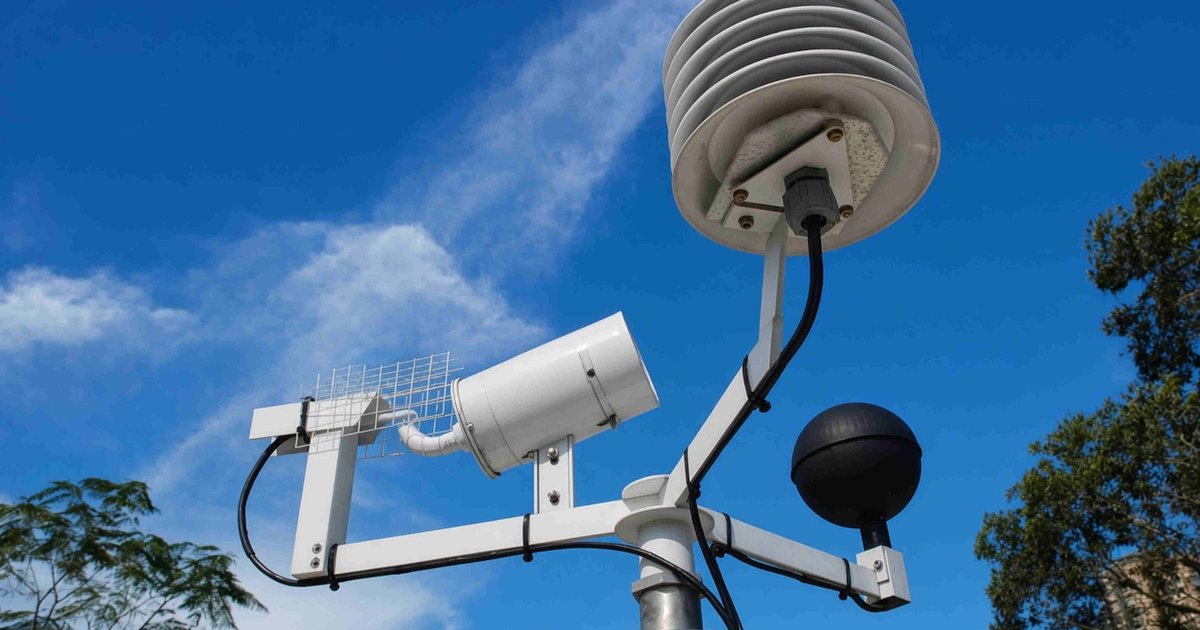
- The warning system considers air temperature, humidity, wind speed, and solar radiation, with local adjustments reducing the weight given to direct sunlight exposure
- Labour Department director Hugh Hui Chak-sum acknowledged the system has "many question marks" and said his department is exploring threshold adjustments with the Observatory
- Former Observatory director Andrew Chan Chiu-yat suggested adopting mainland China's standards using daily maximum temperatures of 35°C, 37°C, and 40°C as warning triggers
Why It Matters
Outdoor workers, including construction crews and street cleaners, face genuine health risks as climate patterns shift, making adequate warning systems essential for protecting vulnerable workers. The controversy highlights the challenge of balancing scientific metrics with real-world heat stress experienced by those laboring under direct sunlight, where temperatures can exceed 50°C on exposed worksites.
Outdoor workers, including construction crews and street cleaners, face genuine health risks as climate patterns shift, making adequate warning systems essential for protecting vulnerable workers. The controversy highlights the challenge of balancing scientific metrics with real-world heat stress experienced by those laboring under direct sunlight, where temperatures can exceed 50°C on exposed worksites.