Lawyer Questions Standards in Hong Kong Public Debate
HK01 · 1 SOURCESabout 1 hour ago2 MIN
Summary
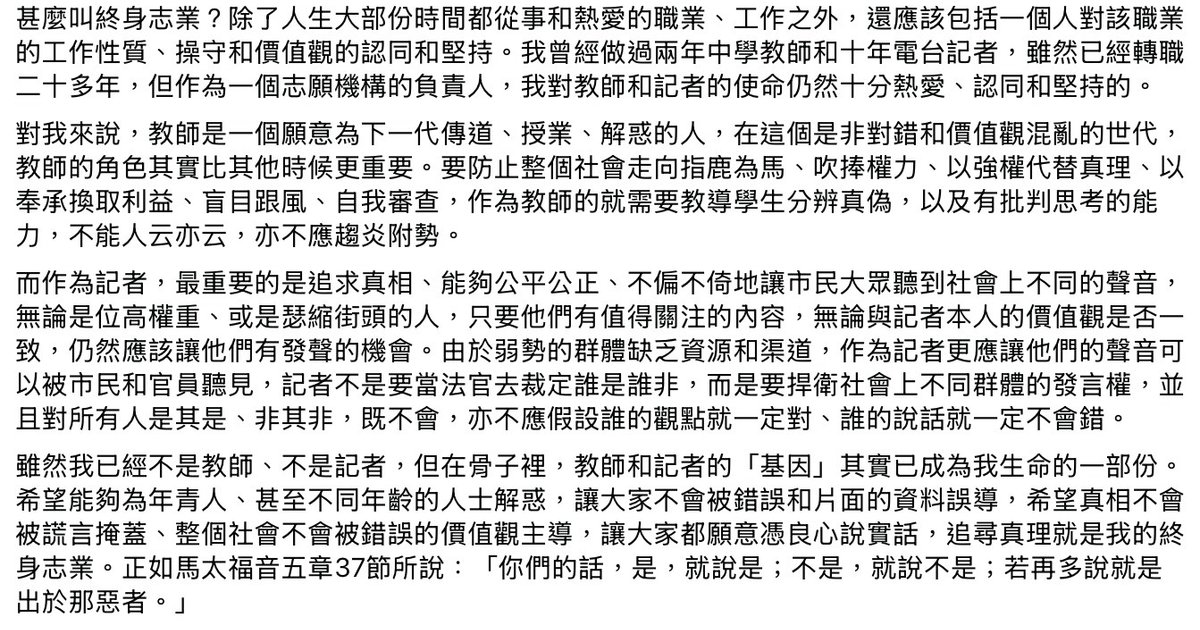
Lawyer Li Wing-cheung used a column to critique an August 13 article by Choi Chi-sum on the plight of teachers and journalists, saying appeals to truth, justice and impartiality must be tested against the same standards in public discussion. He argued that commentary on Hong Kong's media, education, courts and social values should distinguish clearly between verifiable facts and value judgments.
Key Points
- Li said Choi's article praised critical thinking and journalistic fairness, yet described Hong Kong with loaded judgments such as flattering power and self-censorship without enough concrete, verifiable evidence.
- Choi had written that journalists should pursue truth fairly and let different voices be heard, but Li asked why members of the journalists' fellowship linked to Choi did not join the latest Hong Kong Journalists Association leadership election.
- On education, Li said it was too narrow to treat the dissolved Professional Teachers' Union as the sole voice of teachers, noting the Hong Kong Federation of Education Workers has operated for 51 years, has more than 70,000 members and four Legislative Council members.
- Li also cited court rulings on same-sex couples, including a 2018 top court decision on dependant visas and the 2023 Jimmy Sham case, saying disagreement with outcomes should not be framed as courts overstepping their constitutional role.
- He argued that Hong Kong's media environment is shaped by market structure, technology platforms, audience habits, operating pressure, professional ethics, legal responsibility, public trust and public safety, not a single cause alone.
Why It Matters
The column adds to an ongoing argument over what standards should govern public commentary in Hong Kong when discussing journalism, education, religion and the courts. For local readers, the dispute turns on whether opinion leaders apply the same demands for evidence, pluralism and legal clarity to their own arguments as they ask of others.