Allianz: China Holds Edge Over US in Select AI Hardware, Software Segments
SingTao · 1 SOURCESabout 1 hour ago2 MIN
Summary
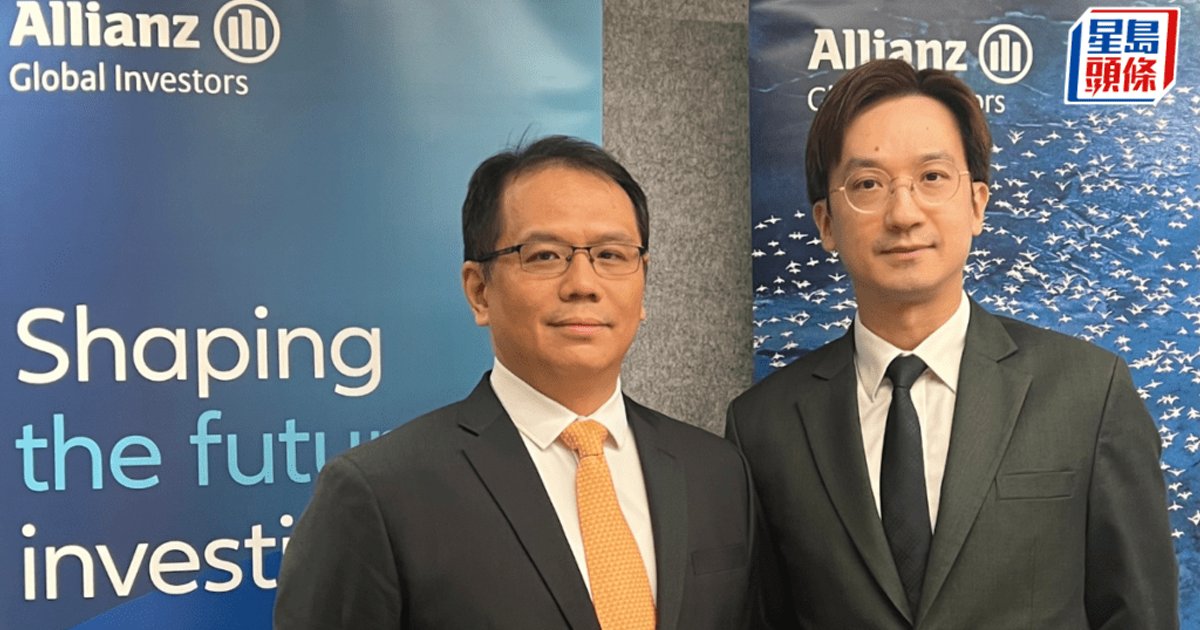
Allianz Global Investors analysts say China has competitive advantages in certain artificial intelligence sectors, particularly in optical modules and AI model pricing. Portfolio manager Yau Ching-yung highlights that China's optical module industry controls 40 to 50 percent of the global market, while lower energy and labor costs enable more affordable AI token prices. The investment firm sees opportunities across China's diversified technology sectors including AI, electric vehicles and robotics.
Key Points
- China's optical module sector commands 40 to 50 percent of the worldwide market and retains capacity to expand its share further
- AI model token pricing in China undercuts US levels due to cheaper energy, lower engineering salaries and open-source development frameworks, driving higher market penetration
- Taiwan and South Korea concentrate on specialized segments like memory chips, whereas China pursues multiple technology streams simultaneously as new growth engines
- Chinese equities continue benefiting from policy support, tightened listing requirements, enhanced shareholder returns and share buyback initiatives, while declining deposit rates may shift household savings toward stocks
- Hong Kong's IPO market draws capital predominantly from Asia and Europe with limited US participation, and A-then-H dual listings frequently trade at 20 to 40 percent discounts that attract institutional investors
Why It Matters
The findings suggest China is carving out competitive moats in AI infrastructure despite geopolitical headwinds, potentially reshaping global technology supply chains. For Hong Kong investors, mainland capital controls continue dampening local property demand, while the territory's smaller IPO ecosystem offers different risk-return dynamics compared with US mega-listings. Rising oil prices could help lift mainland producer and consumer inflation, signaling potential relief from the deflationary pressures weighing on corporate earnings.
The findings suggest China is carving out competitive moats in AI infrastructure despite geopolitical headwinds, potentially reshaping global technology supply chains. For Hong Kong investors, mainland capital controls continue dampening local property demand, while the territory's smaller IPO ecosystem offers different risk-return dynamics compared with US mega-listings. Rising oil prices could help lift mainland producer and consumer inflation, signaling potential relief from the deflationary pressures weighing on corporate earnings.