Lawmakers urge staffing boost at new Huanggang crossing
SingTao · 2 SOURCESabout 1 hour ago5 MIN
Summary
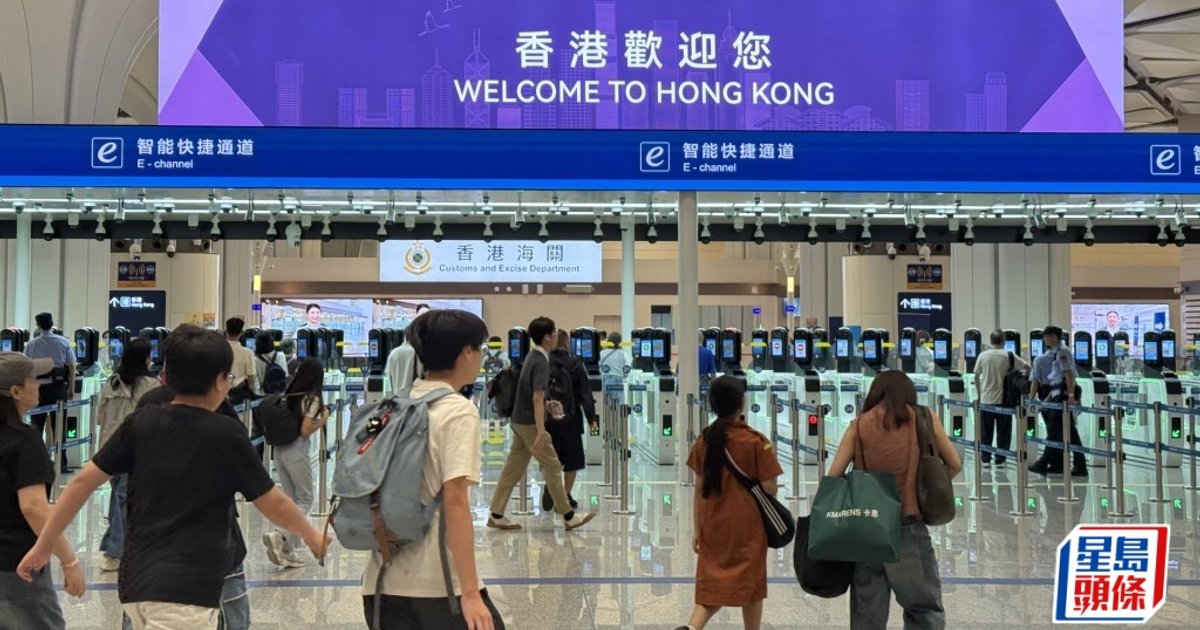
A busy weekend of Halloween celebrations across Hong Kong and The Weeknd’s concert at Kai Tak Stadium brought a surge of visitors and late-night cross-boundary travel demand. Lawmakers said the 24-hour new Huanggang crossing can support the night-time economy, but urged the government and transport operators to deploy more staff and improve bus arrangements during major events. Chief Secretary Eric Chan Kwok-ki (陳國基) said departments should strengthen passenger-flow forecasting, open more inspection counters and vehicle lanes before peak periods, and coordinate transport capacity more closely. By early Monday, queues at Mong Kok’s cross-boundary bus stop had fallen to about 40 people with waits of around 15 minutes, although police said roads leading to the Hong Kong-side Huanggang terminal were still very busy
Key Points
- Lawmaker Yeung Wing-kit (楊永杰) said Huanggang’s 24-hour clearance helps Hong Kong’s night economy because residents and visitors expect transport even when returning late
- Yeung urged extra staffing at the new Huanggang crossing during major events so travellers can feel more secure and stay out later
- Lawmaker Regina Ching Kit-ling (植潔鈴) said current Huanggang fares are cheaper than some previous cross-boundary options and the route is popular
- Ching welcomed Citybus fast services on New Territories sections, but said Hong Kong Island routing still needs improvement, including possible departures from North Point and a direct Siu Sai Wan special route
- Police said early Monday that traffic to the Hong Kong-side Huanggang building was extremely busy, with vehicles taking about 25 minutes on average to reach the drop-off area
Why It Matters
How Hong Kong handles late-night border flows after concerts and festival events will affect visitor experience, transport reliability and confidence in the city’s push for a stronger night-time economy. The episode also shows that 24-hour clearance alone is not enough if staffing, road access and feeder transport are not adjusted quickly to match sudden demand peaks.