Education Bureau Revamps Senior Secondary STEM Curriculum with Tiered Topic Structure
Bastillepost · 2 SOURCESabout 1 hour ago2 MIN
Summary
The Education Bureau has announced comprehensive optimization measures for senior secondary mathematics and science subjects, introducing a core and extended topic framework to better nurture STEM talent in alignment with Hong Kong's development as an international innovation and technology hub. The measures recommend that schools encourage students with aptitude in mathematics and science to take two or more STEM subjects during the senior secondary years, with schools advised to arrange such students in the same classes to foster a collaborative learning environment.
Key Points
- The Education Bureau unveiled curriculum optimization measures covering Biology, Chemistry, Physics, and Mathematics Extended Parts (M1/M2), dividing content into core/basic and extended/non-basic topics to accommodate students of varying abilities .
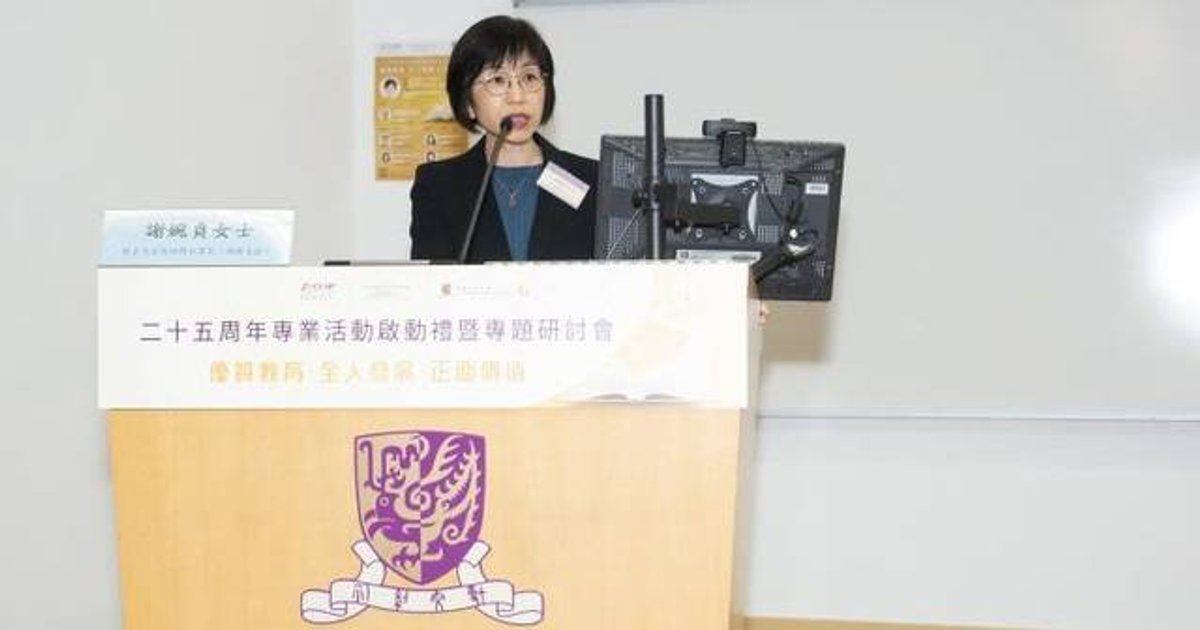
- Deputy Secretary (Curriculum Development) Tse Yuen-ching emphasized that these measures respond to the "15th Five-Year Plan" call for integrated development of education, technology, and talent, supporting Hong Kong's ambition to become an international innovation hub .
- Schools are encouraged to actively persuade students showing potential in mathematics and science to enroll in two or more STEM subjects, and to place these students in the same class to create a conducive learning atmosphere .
- At the junior secondary level (Secondary 3), schools should provide subject selection guidance including further education information, taster lessons, and counseling to help students plan their academic pathways .
- A briefing session on the optimization measures is scheduled for September 2026, where school experience sharing sessions will also be arranged .
Why It Matters
The curriculum restructuring addresses Hong Kong's growing demand for innovation and technology professionals by ensuring students build a solid STEM foundation during secondary education, directly supporting the city's strategic goal of becoming an international innovation hub . The absence of mandatory quotas for multi-subject enrollment reflects the Education Bureau's pragmatic approach, allowing schools flexibility to implement measures based on their unique circumstances while providing reference data through School Performance Measures to evaluate effectiveness .
The curriculum restructuring addresses Hong Kong's growing demand for innovation and technology professionals by ensuring students build a solid STEM foundation during secondary education, directly supporting the city's strategic goal of becoming an international innovation hub . The absence of mandatory quotas for multi-subject enrollment reflects the Education Bureau's pragmatic approach, allowing schools flexibility to implement measures based on their unique circumstances while providing reference data through School Performance Measures to evaluate effectiveness .