Chiba Floods Kill 4, Stranding 7,000 at Narita Airport
Crhk · 4 SOURCESabout 1 hour ago2 MIN
Summary
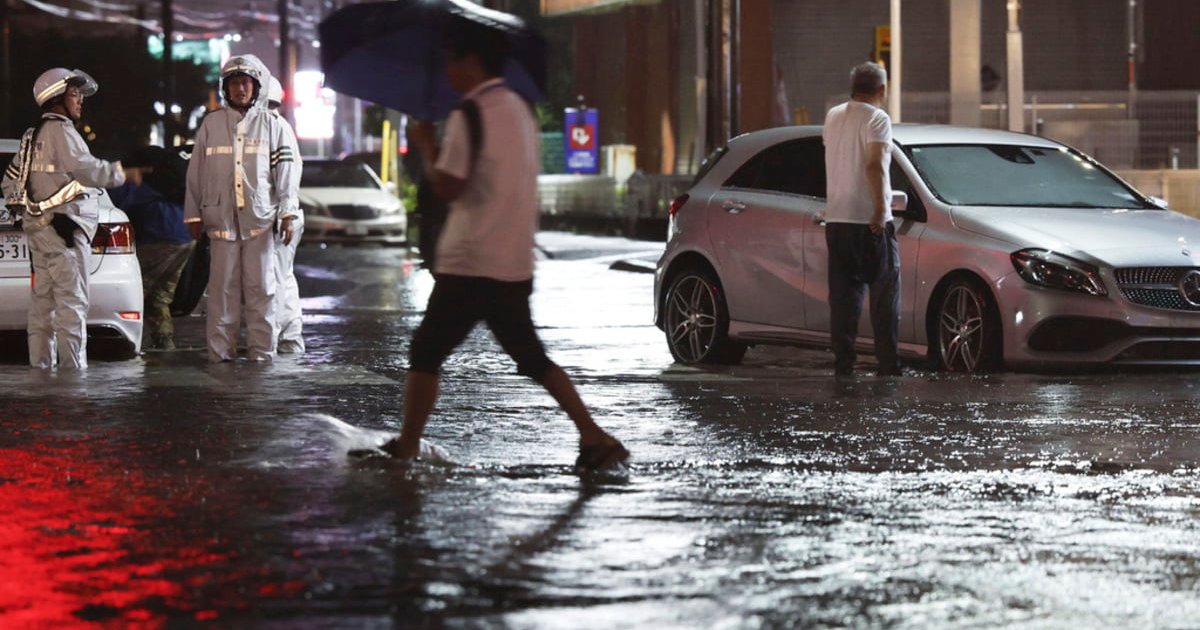
Record-breaking rainfall has devastated Japan's Chiba Prefecture, killing at least four people and leaving one person in cardiopulmonary arrest with another missing. The Japan Meteorological Agency issued its highest-level emergency warning as rainfall exceeding 450mm in six hours triggered catastrophic flooding across multiple cities. Approximately 7,000 travelers remain stranded at Narita Airport, where all rail and bus services have been suspended.
Key Points
- Four people have been confirmed dead and one person is in cardiopulmonary arrest, with another still missing after the disaster struck Chiba Prefecture
- Over 400,000 residents received evacuation orders while more than 45,000 households experienced power outages across the affected areas
- The Japan Meteorological Agency issued a rare Level 5 heavy rain emergency warning for 19 cities including Chiba, Funabashi, and Matsudo
- Chiba City's Green Ward recorded an unprecedented 450mm of rainfall within just six hours on the evening of August 13
- Approximately 7,000 passengers are stranded at Narita Airport, where all connecting railway and bus services have been suspended
Why It Matters
This disaster underscores the escalating threat of extreme weather events in East Asia, where climate change is intensifying the frequency and severity of sudden downpours. For Hong Kong, which faces similar typhoon and monsoon risks, this catastrophe serves as a stark reminder of the critical need for robust emergency infrastructure, clear evacuation protocols, and community preparedness to protect vulnerable populations during unprecedented weather events.
This disaster underscores the escalating threat of extreme weather events in East Asia, where climate change is intensifying the frequency and severity of sudden downpours. For Hong Kong, which faces similar typhoon and monsoon risks, this catastrophe serves as a stark reminder of the critical need for robust emergency infrastructure, clear evacuation protocols, and community preparedness to protect vulnerable populations during unprecedented weather events.