Pop star ambassadors and HK$9 million: Supreme Sha Tin ready to shake up Hong Kong football
SCMP · 1 SOURCESabout 1 hour ago2 MIN
Summary
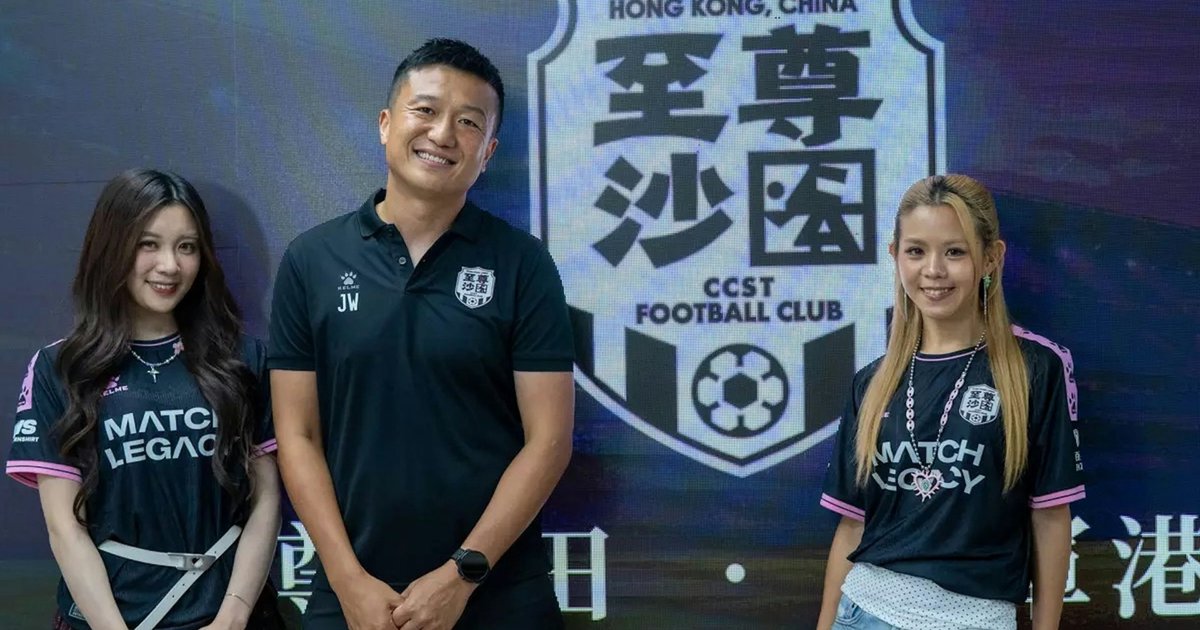
Supreme Sha Tin has burst onto the Hong Kong Premier League scene with an unconventional approach to football club ownership. Armed with pop-star ambassadors and backed by a wealthy businessman, the newly promoted side is promising to bring a fresh brand of entertainment to local football matches, including live "Cantonese disco" performances as part of the matchday experience.
Key Points
- Supreme Sha Tin earned promotion after winning the First Division last season, securing their place in Hong Kong's top-flight football league
- Owner Jim Wong Chi-chuen, who acquired the club three years ago when it was known as Sun Source, has invested HK$5 million of his own money into the team
- The club's first-season budget has ballooned to HK$9 million, up from an initial projection of HK$6 million, due to unexpected financial pressures
- Head coach Lo Kwan-yee, who led the team to promotion, was arrested in June on match-fixing charges stemming from his previous role at Citizen; Supreme is not implicated in the investigation
- The club has a five-year partnership agreement with Sha Tin Sports Association, allowing Wong to represent his home district in the Premier League
- Matches will initially be held at the Hammer Hill Road Sports Ground, with plans to move to a purpose-built stadium once completed
- Ho Yat-ming, chairman of the Sha Tin Sports Association, praised the owner's passion for giving back to the community where he grew up
Why It Matters
The Supreme Sha Tin experiment represents a bold attempt to transform local football into a broader entertainment product, potentially attracting new audiences to a sport that has struggled with match-fixing scandals and inconsistent attendance. If successful, this model could inspire similar approaches across Hong Kong's football landscape, though the club must first navigate the reputational fallout from its head coach's arrest and convince sponsors that local football is worth the investment.
The Supreme Sha Tin experiment represents a bold attempt to transform local football into a broader entertainment product, potentially attracting new audiences to a sport that has struggled with match-fixing scandals and inconsistent attendance. If successful, this model could inspire similar approaches across Hong Kong's football landscape, though the club must first navigate the reputational fallout from its head coach's arrest and convince sponsors that local football is worth the investment.