REDA Proposes Urban Renewal Strategy Ahead of Policy Address, Five-Year Plan
Thestandard · 1 SOURCESabout 2 hours ago5 MIN
Summary
The Real Estate Developers Association has submitted urban renewal proposals to the Development Bureau as Hong Kong prepares its first Five-Year Plan. REDA recommends a dual strategy combining building maintenance with urban renewal to revitalize aging districts. For the Northern Metropolis development, REDA suggests concentrating resources on key areas such as San Tin and Hung Shui Kiu rather than dispersing efforts across multiple projects simultaneously.
Key Points
- REDA proposes transforming old districts into livable urban areas through a dual strategy of building maintenance and urban renewal, with relaxed planning regulations to accelerate redevelopment
- The Northern Metropolis should prioritize one to two key development zones like San Tin and Hung Shui Kiu, avoiding the dispersal of financial and administrative resources across numerous new areas
- REDA recommends flexible premium payment models, developer reimbursements for site formation costs, and allowing successful bidders to sell sites to improve cash flow
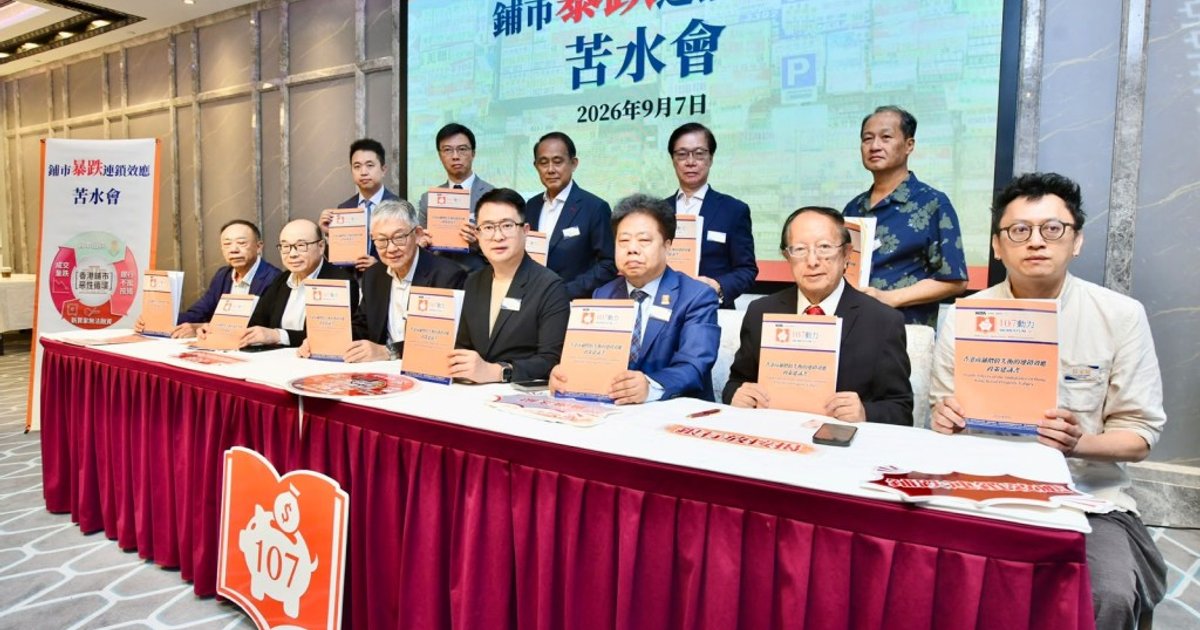
- Centaline Property Agency chairman Shih Wing-ching (施永青) notes commercial property returns of 4 to 5 percent with relatively low risk, urging banks to provide more lending support to the commercial and industrial sector
- Hong Kong faces a 40-year high commercial property vacancy rate of 12.5 percent; Shih suggests lowering stamp duty on commercial properties to stimulate transactions and restore market confidence
- Tony Kwok Tak-leung (郭德亮), chairman of the Guangdong Hong Kong Macau Greater Bay Area General Chamber of Real Estate Industry, also participated in discussions on the commercial property market chain effects
Why It Matters
These proposals come just one week before the Policy Address release and will shape Hong Kong's urban development strategy for years to come. The recommendations address both immediate market concerns, such as the commercial property slump, and long-term structural issues in urban renewal. Success of these initiatives could determine the livability of aging districts and the viability of the Northern Metropolis as a strategic growth corridor .
These proposals come just one week before the Policy Address release and will shape Hong Kong's urban development strategy for years to come. The recommendations address both immediate market concerns, such as the commercial property slump, and long-term structural issues in urban renewal. Success of these initiatives could determine the livability of aging districts and the viability of the Northern Metropolis as a strategic growth corridor .