China, Qatar pledge deeper cooperation on energy and Middle East peace
SCMP · 2 SOURCESabout 1 hour ago2 MIN
Summary
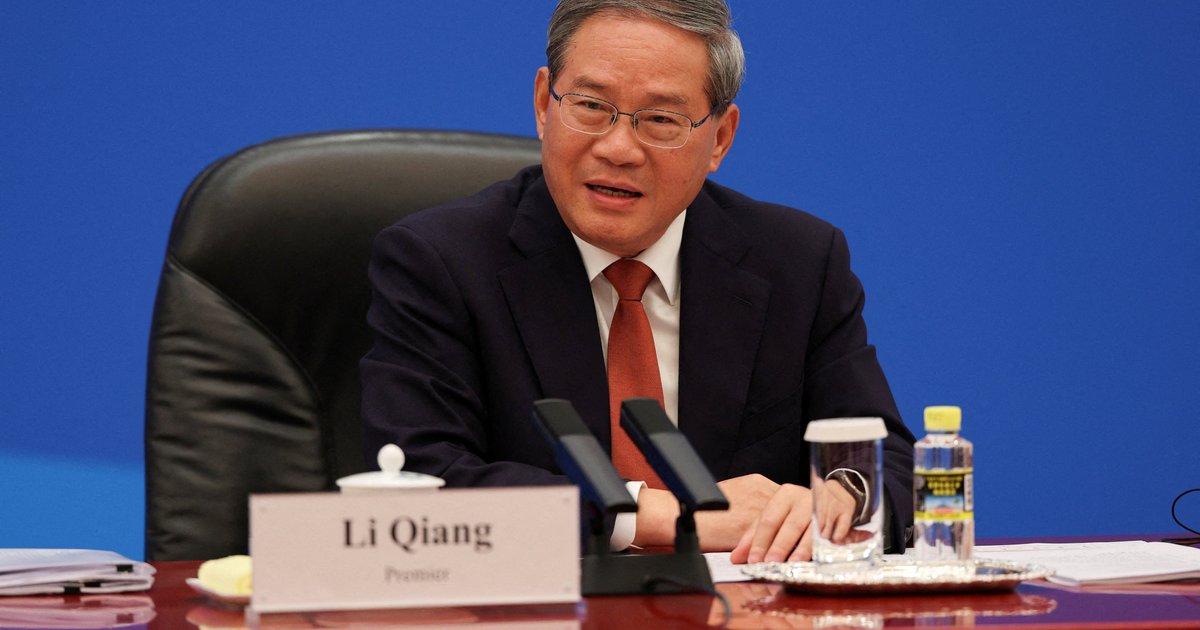
Chinese Premier Li Qiang met with Qatari Prime Minister and Foreign Minister Sheikh Mohammed bin Abdulrahman Al Thani in Beijing on Monday for talks aimed at deepening bilateral cooperation across energy, investment and artificial intelligence, while coordinating diplomatic efforts to ease Middle East tensions . The meeting took place as Beijing and Doha navigate an increasingly volatile regional security environment and seek to protect the Strait of Hormuz, a vital waterway for China's energy imports and Qatar's liquefied natural gas exports . Chinese Foreign Minister Wang Yi told the Qatari delegation on Tuesday that the tense Gulf situation has severely undermined regional security and continues to affect energy markets, shipping and supply chains .
Key Points
- Chinese Premier Li Qiang told Sheikh Mohammed that China is prepared to deepen cooperation with Qatar in energy, investment, AI and people-to-people exchanges
- Qatar supplies nearly one-third of China's LNG demand, making the Strait of Hormuz critical for both nations' energy security
- Iran announced on Monday that talks with Oman on temporary safe passage through the Strait of Hormuz were in their final stage, expected to be registered with the IMO soon
- Wang Yi stated that "dialogue and negotiation are the right path," praising Qatar's extensive mediation efforts in regional conflicts
- Both leaders agreed to enhance multilateral coordination to build a "more just and equitable global governance system"
Why It Matters
The strategic partnership between China and Qatar carries significant implications for global energy markets and regional stability. With the Strait of Hormuz handling roughly one-fifth of global oil shipments, any disruption could drive up energy prices worldwide, affecting consumers and industries far beyond the Middle East . China's support for Qatar's diplomatic role in de-escalating Middle East tensions reflects Beijing's growing willingness to play a constructive international mediator beyond its traditional focus on the Indo-Pacific.
The strategic partnership between China and Qatar carries significant implications for global energy markets and regional stability. With the Strait of Hormuz handling roughly one-fifth of global oil shipments, any disruption could drive up energy prices worldwide, affecting consumers and industries far beyond the Middle East . China's support for Qatar's diplomatic role in de-escalating Middle East tensions reflects Beijing's growing willingness to play a constructive international mediator beyond its traditional focus on the Indo-Pacific.