Mainland Tech Firms Outpace HK Doctors' Salaries, HKUST Nansha Dean Warns
Thestandard · 2 SOURCESabout 1 hour ago2 MIN
Summary
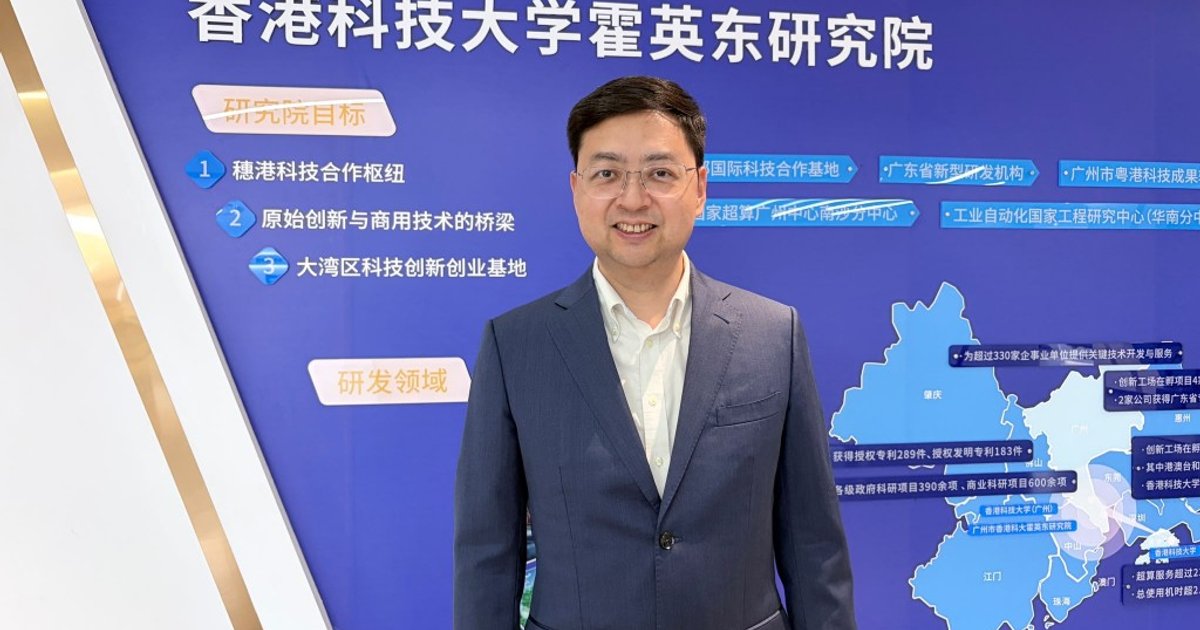
Hong Kong's brightest students are increasingly abandoning traditional career paths in medicine, business, and law in favor of technology disciplines, according to Gao Min, dean of the Guangzhou HKUST Fok Ying Tung Research Institute . Speaking during a media visit to Nansha on Tuesday, Gao attributed this trend to mainland technology companies offering salary packages that "far exceed" what Hong Kong doctors earn, along with substantially larger opportunities for career growth . The institute, which operates three distinct platforms connecting Hong Kong's frontier research with mainland industrialization capabilities, has successfully incubated multiple startups over the past five years .
Key Points
- Hong Kong DSE top scorers have traditionally favored medicine, business, and law, but a growing number now opt for computer science and AI degrees as mainland tech salaries surpass physician earnings .
- Dean Gao Min noted that 20 years ago, elite students chose business or law, but the rise of AI has shifted preferences toward technology, reflecting broader economic changes in Hong Kong .
- The institute's three platforms include the HKUST (Guangzhou) Entrepreneurship Base for post-graduation ventures, the Incubator Building spanning over 32,000 square feet with specialized labs, and the Guangzhou-Hong Kong Innovation Center partnered with Hong Kong Science Park and Yuexiu Group .
- Startups incubated by the institute raised over 400 million yuan in funding over five years, reaching a combined valuation exceeding 2 billion yuan, with three companies recognized as specialized SMEs in Guangdong in 2025 .
- Professor Yang Jinlei's startup "Zhiwei New Materials" secured more than 40 million yuan in investment, while Professor Shao Meihua's "Paichuang New Energy" focusing on hydrogen fuel cell catalysts received 18 million yuan from Lenovo Capital .
Why It Matters
This trend signals a fundamental restructuring of Hong Kong's talent pipeline, with implications for the city's healthcare sector and its ability to attract top medical students in the future . The "Hong Kong research plus mainland engineering talent" model exemplifies how cross-border collaboration can accelerate innovation, potentially reshaping the Greater Bay Area's competitive landscape in technology development .
This trend signals a fundamental restructuring of Hong Kong's talent pipeline, with implications for the city's healthcare sector and its ability to attract top medical students in the future . The "Hong Kong research plus mainland engineering talent" model exemplifies how cross-border collaboration can accelerate innovation, potentially reshaping the Greater Bay Area's competitive landscape in technology development .