Zhu Rongji's Legacy: How Beijing Backed Hong Kong's 1998 Financial Defense
HK01 · 1 SOURCESabout 1 hour ago2 MIN
Summary
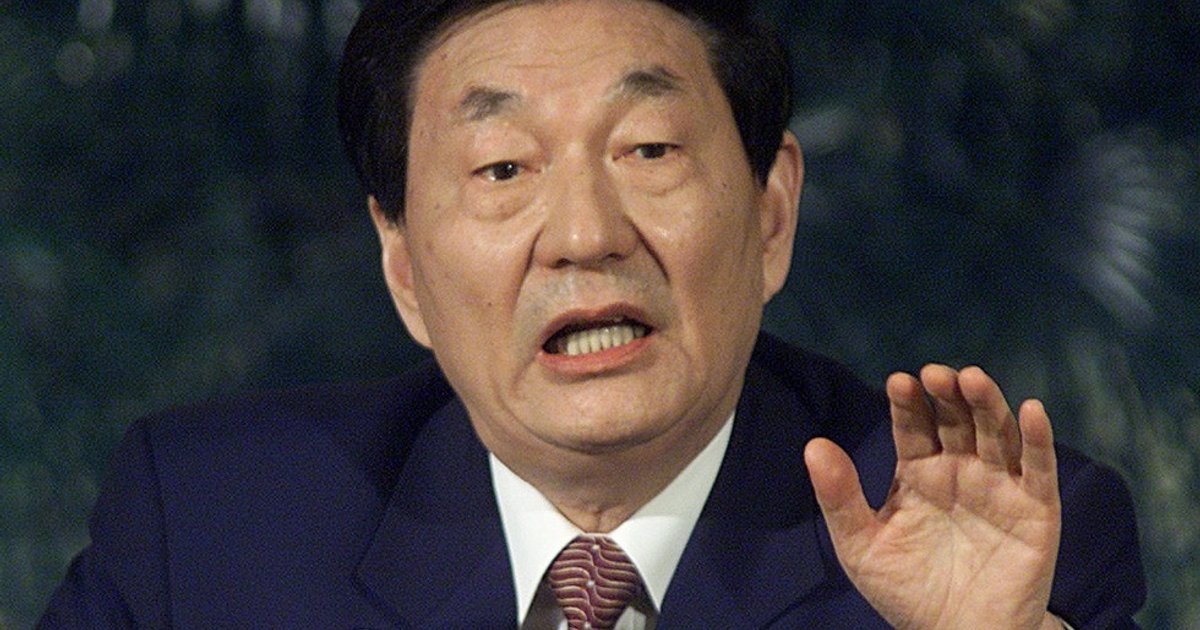
Former Chinese Premier Zhu Rongji, who died at age 96, leaves behind a legacy of decisive leadership during Asia's worst financial crisis in modern history. In August 1998, as the Asian financial turmoil threatened Hong Kong's monetary system, Zhu authorized Hong Kong's unprecedented move to deploy its foreign exchange reserves directly into equity and futures markets, spending HK$120 billion to repel international speculators . At the time, Zhu made clear Beijing's position: "We will spare no cost to maintain Hong Kong's prosperity and stability." The successful defense of Hong Kong's linked exchange rate system, combined with Zhu's commitment to keep the renminbi stable, helped anchor regional confidence during the crisis .
Key Points
- Hong Kong's government sought central government approval before launching its market intervention in mid-August 1998, deploying HK$120 billion in foreign reserves over 10 trading days
- The 1997 Asian financial crisis, which erupted in Thailand in May, reached Hong Kong by October, with overnight Hong Kong Interbank Offered Rate surging to 300 percent as speculators attacked the Hong Kong dollar
- The three officials leading Hong Kong's defense were Financial Secretary Donald Tsang Yam-kuen, Secretary for Financial Services and the Treasury Rafael Hui Si-yuen, and Monetary Authority Chief Executive Joseph Yam Tak-chi
- Government purchases of 33 Hang Seng Index constituent shares briefly represented 7 percent of total market capitalization, and the critical battle came during late August futures settlement
- Hong Kong held US$88.4 billion in foreign reserves at the time—equivalent to more than seven times the circulating currency, one of the world's highest ratios—placing it third globally after Japan and mainland China
Why It Matters
Zhu's backing for Hong Kong's market intervention set a precedent for mainland officials taking decisive action to protect the city's financial infrastructure during crises. His early commitment to refrain from devaluing the renminbi, announced at his first press conference as premier, provided crucial psychological support for Hong Kong's linked exchange rate and helped prevent the currency crisis from spreading further across the region . The intervention's success enabled the government to exit its market positions smoothly through the Tracker Fund of Hong Kong, launched in November 1999 as Asia's first exchange-traded fund .
Zhu's backing for Hong Kong's market intervention set a precedent for mainland officials taking decisive action to protect the city's financial infrastructure during crises. His early commitment to refrain from devaluing the renminbi, announced at his first press conference as premier, provided crucial psychological support for Hong Kong's linked exchange rate and helped prevent the currency crisis from spreading further across the region . The intervention's success enabled the government to exit its market positions smoothly through the Tracker Fund of Hong Kong, launched in November 1999 as Asia's first exchange-traded fund .