Record Rain Paralyses Narita Airport, Thousands Stranded Including HK Travellers
HK01 · 2 SOURCESabout 1 hour ago2 MIN
Summary
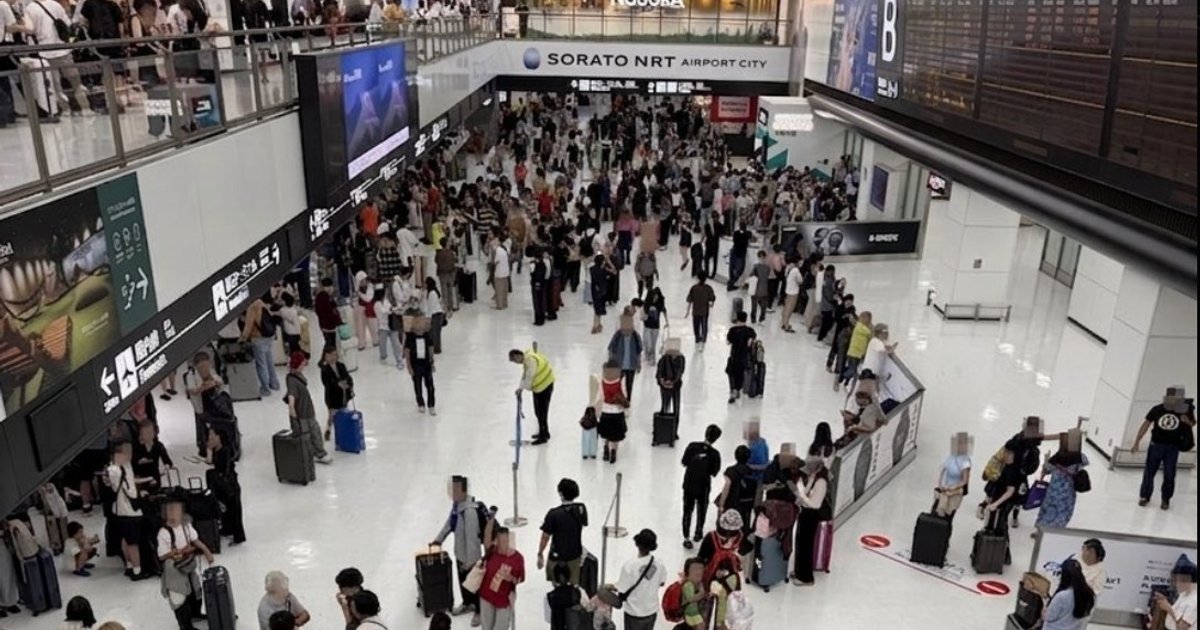
Record rainfall in Japan's Chiba prefecture triggered the Japan Meteorological Agency's highest-level emergency heavy rain warning on Thursday, severing all transport connections to Narita International Airport and leaving more than 4,000 passengers stranded overnight. Hong Kong travellers were among those forced to sleep in the terminals as rail, bus and taxi services remained suspended amid the flooding.
Key Points
- The Japan Meteorological Agency issued its first-ever Level 5 heavy rain emergency warning for at least 20 cities and towns including Chiba and Ichihara
- Chiba's central ward recorded 115mm of rainfall in a single hour, nearly matching the average for the entire month of August
- JR East and Keisei electric railway services, all airport buses, and taxis were halted, cutting Narita off from Tokyo and surrounding areas
- At least 4,250 passengers were stranded at the airport by 10pm, with staff distributing sleeping bags, biscuits and water
- Approximately 46,000 households in Chiba lost power, while Chiba and three other cities issued Level 5 landslide warnings
- Weather is forecast to remain unstable through late Friday, with up to 200mm of rain expected over 24 hours
Why It Matters
The incident highlights the vulnerability of major transportation hubs to extreme weather events in Japan, where climate change is increasingly producing unprecedented rainfall patterns. For Hong Kong travellers, the disruption demonstrates the importance of travel insurance and contingency planning when visiting areas prone to severe weather, as the closure of all transport options left thousands with no recourse for hours .
The incident highlights the vulnerability of major transportation hubs to extreme weather events in Japan, where climate change is increasingly producing unprecedented rainfall patterns. For Hong Kong travellers, the disruption demonstrates the importance of travel insurance and contingency planning when visiting areas prone to severe weather, as the closure of all transport options left thousands with no recourse for hours .