Ocamp trial hears shower voyeurism and fresh denials
HK01 · 14 SOURCESabout 1 hour ago2 MIN
Summary
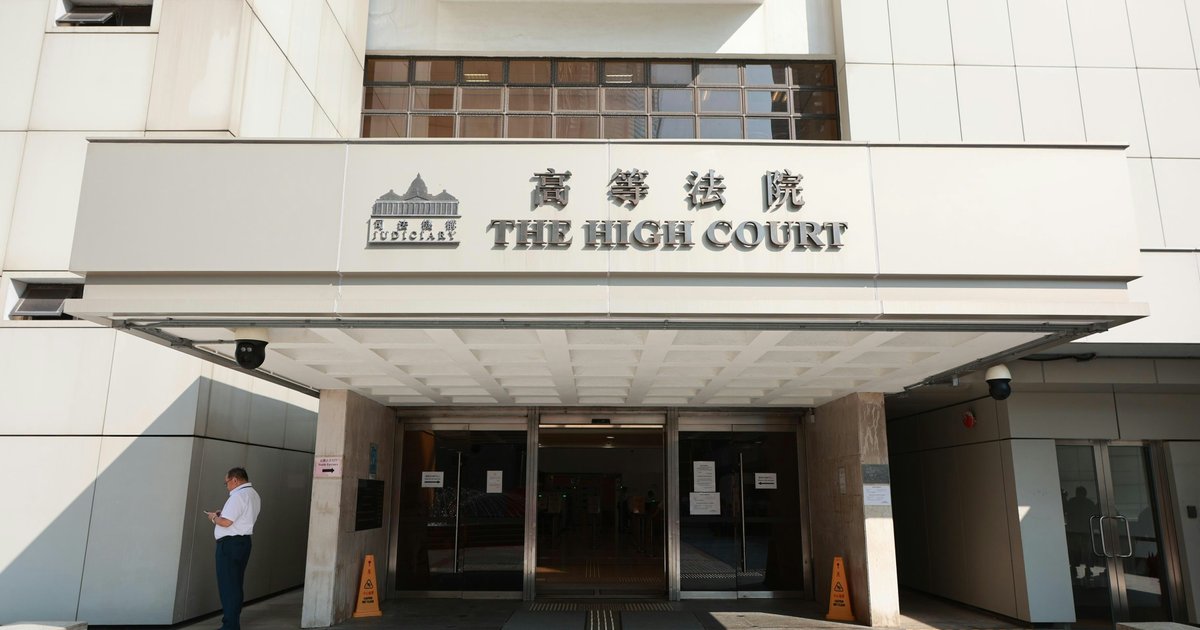
The High Court on Wednesday heard from complainant E, who said the defendant burst into a bathroom and pulled back the shower curtain while she was bathing at an Education University orientation camp after she had repeatedly warned others that the door lock was faulty. The court also viewed more of the defendant Y.L.H.’s recorded police interview about complainant D, in which he denied touching her shoulders or thigh and said she had framed him. Earlier in the trial, the court had heard his denials over complainant C’s allegation that he indecently assaulted her in a car, including his claim that his former girlfriends were all “pretty” and that he had no need to assault an “ordinary” woman. Y.L.H., now 31, denies three counts of indecent assault, one count of rape and one count of voyeurism in case HCCC153/2024.
Key Points
- Complainant E said she was the group leader or “group mum” at the 28 August 2023 camp, tested the bathroom lock in front of members, found it defective and asked organisers to follow up.
- E said she showered after midnight wearing glasses to stay alert, but the defendant ran in, pulled open the curtain, saw her naked and said he was not wearing contact lenses and “couldn’t see anything”.
- In the interview played to the jury, Y.L.H. denied complainant D’s account, saying “I didn’t do it, she framed me”, and called shoulder-pinching “pointless” and “boring”.
- He told police he was a lifeguard and Health Education student, and said he would only escalate physical contact if a woman showed interest by leaning in or linking arms.
- The prosecution case spans five allegations in 2023: indecent assault of A at Fei Ngo Shan, rape of B at a Red Cross camp, indecent assault of C in a car, indecent assault of D at camp and voyeurism against E.
Why It Matters
The latest evidence adds a fifth complainant’s account and gives jurors another chance to compare the defendant’s police explanations with the women’s testimony across separate incidents. For Hong Kong universities, the case keeps attention on consent, supervision and basic safety measures such as functioning locks during orientation activities where students may be sleeping, drinking and bathing in shared spaces.