Former Eastern Hospital doctor suspended over missed cancer
HK01 · 1 SOURCESabout 1 hour ago2 MIN
Summary
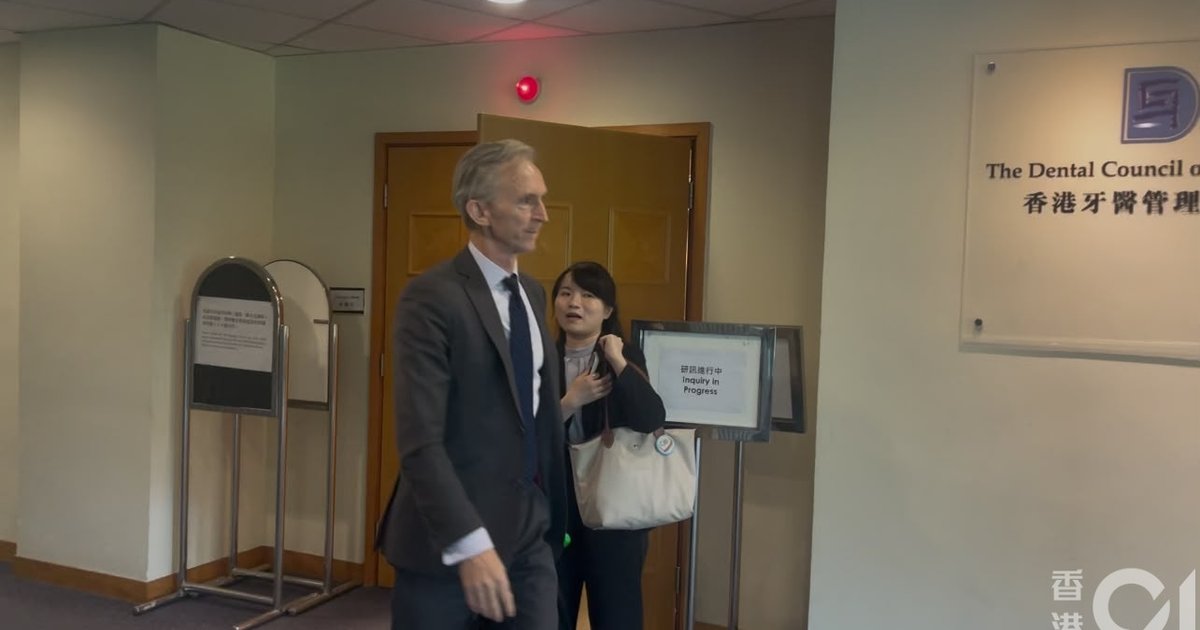
A Medical Council inquiry panel on Thursday found that former Eastern Hospital accident and emergency doctor Kam Yau-chuen failed to properly identify, record and follow up warning signs in a patient who later died of hepatocellular carcinoma. The patient had attended Eastern Hospital on April 3, 2023 with chest pain, abdominal pain and weight loss, but the doctor’s records wrongly stated there was no loss of appetite or weight loss. The panel said the doctor should have been alert to the patient’s full clinical history, but accepted expert evidence that the cancer was already at a very advanced stage when the patient first sought care. Kam was ordered removed from the medical register for one month, with the penalty suspended for six months
Key Points
- The charges said Kam failed to recognize and document right upper abdominal pain and weight loss, and did not diagnose metastatic hepatocellular carcinoma
- He also failed to arrange appropriate follow-up tests, including chest imaging, liver ultrasound and a serum alpha-fetoprotein test
- A chest X-ray showed a shadow in the lower left chest cavity, but Kam decided to wait for the detailed radiology report before acting
- In the discharge summary, he recorded chest and back pain, diabetes and hyperlipidaemia, but omitted right upper abdominal pain, weight loss and comment on the shadow
- The patient returned to Eastern Hospital on May 9, 2023 with persistent chest pain, received medication only, then underwent a private MRI on May 20 that found spinal and rib lesions
Why It Matters
The case underscores how incomplete history-taking, inaccurate records and missed follow-up in emergency care can affect whether serious disease is investigated promptly. For Hong Kong patients, the ruling also shows how the Medical Council weighs both professional standards and expert evidence on whether earlier detection would have changed the clinical outcome