Can Hong Kong Stay a Billionaire Magnet as China Tightens Tax Rules?
SCMP · 1 SOURCESabout 1 hour ago2 MIN
Summary
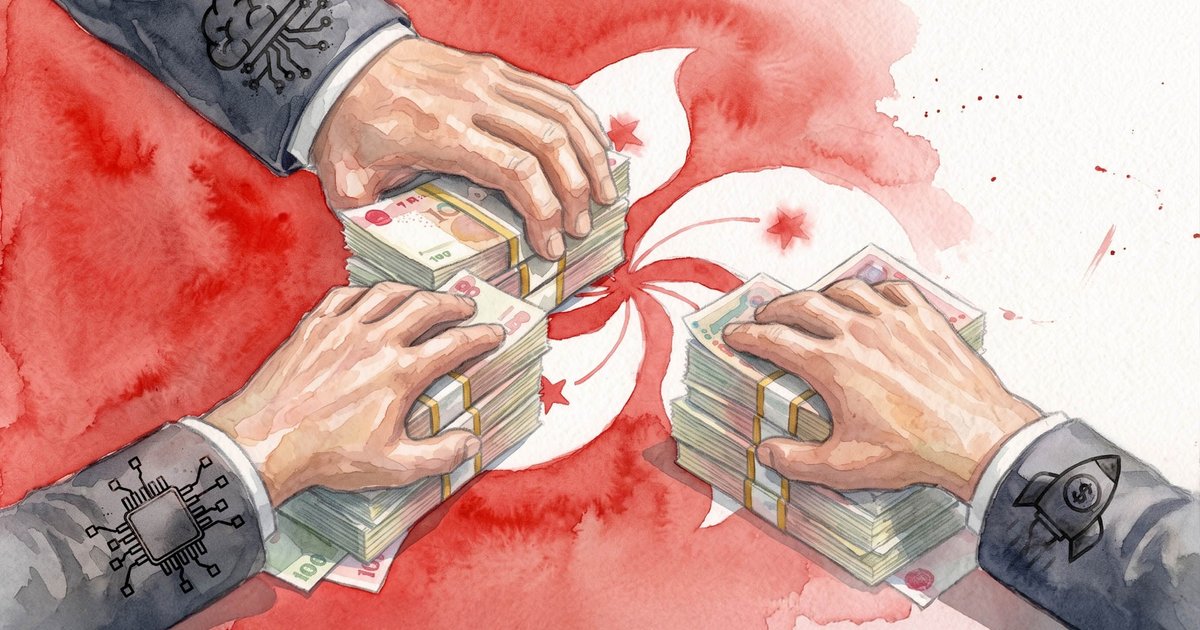
Beijing has launched a series of measures over recent months to tighten controls over cross-border financial flows, aiming to prevent tax avoidance and capital flight. The most significant change came in late July when authorities announced that offshore trusts would now be subject to China's personal income tax, closing a key loophole that had benefited wealthy Chinese families. Hong Kong, which overtook Switzerland as the world's biggest cross-border wealth hub last year, now faces questions about its future competitiveness.
Key Points
- Hong Kong surpassed Switzerland as the world's largest cross-border wealth hub in 2023, driven by blockbuster listings of Chinese technology companies
- Major brokerages have been punished for helping mainland investors illegally purchase overseas stocks through Hong Kong accounts
- Banks have tightened compliance checks for mainland customers seeking to open Hong Kong accounts since the new rules took effect
- The Private Wealth Management Association, with 44 financial institutions as full members, said the new tax rules provide regulatory clarity for global wealth management
- Tian Xuan, dean of Peking University's Guanghua School of Management, said Hong Kong's future competitiveness lies in compliance capabilities and professional services depth
Why It Matters
The regulatory shifts represent a fundamental recalibration of the wealth management landscape in Asia. As mainland China closes tax loopholes, Hong Kong must redefine its value proposition to ultra-high-net-worth clients, shifting from simple tax optimization to offering sophisticated, compliant financial services that can withstand increased scrutiny from both Chinese and international regulators.
The regulatory shifts represent a fundamental recalibration of the wealth management landscape in Asia. As mainland China closes tax loopholes, Hong Kong must redefine its value proposition to ultra-high-net-worth clients, shifting from simple tax optimization to offering sophisticated, compliant financial services that can withstand increased scrutiny from both Chinese and international regulators.